A new station evaluation policy, expected for adoption by the Metra Board of Directors in May, would make it easier to shut down "underperforming" stations.


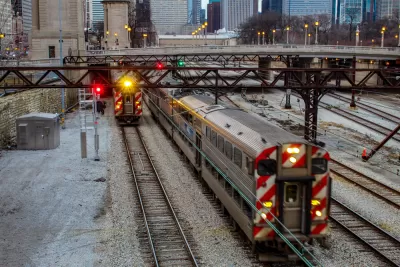
"Metra’s Board of Directors is preparing to approve a policy for adding new stations and closing down existing stations that could potentially slash the number of South Side stations," reports Igor Studenkov.
"The preliminary draft of the station evaluation policy was released for public comment following the railroad’s March 2019 board meeting. The board expects to approve the policy during its May 15 meeting, when 2018 ridership numbers will be released," according to Studenkov.
According to Studenkov's analysis of the evaluation policy, the South Side is likely to bear the brunt of any station reductions. "The Metra Electric Line’s Blue Island branch could lose all of its Chicago stations, effectively removing all rail service from the West Pullman and Roseland communities," for instance. Studenkov also explains how the new policy will speed up the process for closing stations.
On the other side of the equation, adding stations, Studenkov notes that the process requires a paid sponsor to fund the study required to plan and build a new station.
In 2017, Metra made news for cutting service to the South Side, contributing to a narrative implied here that Metra is in the process of abandoning much of its service on the South Side of Chicago.
FULL STORY: Metra Considers a New Policy for Adding Infill Stations, Closing Low-Ridership Stops

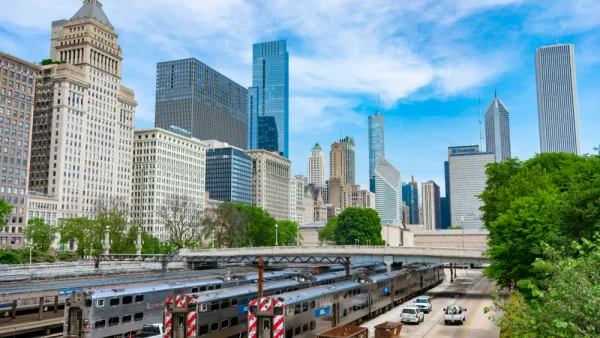
Metra North Central Service Line Riders Push for More Service
A new report imagines more robust service on one of Metra's regional commuter lines in Chicago.
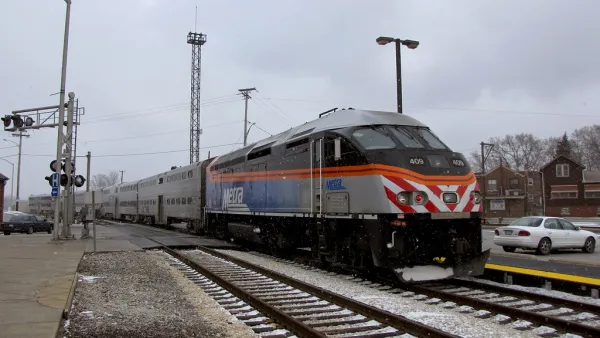
Another New Commuter Rail Station for Chicago's South Side Transit Deserts
A South Side Chicago neighborhood with a history of neglect and disinvestment will soon be adding a new train station on the regional commuter system.
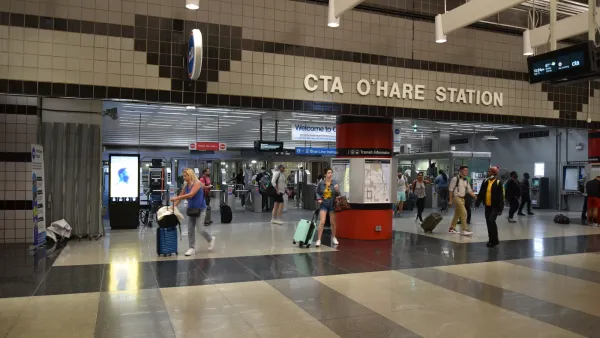
The Vast Majority of Riders Suspended by Chicago Transit Agencies are Black or Latino
The agencies are allowed to ban riders who are accused of violent or threatening behavior.

Planetizen Federal Action Tracker
A weekly monitor of how Trump’s orders and actions are impacting planners and planning in America.

The state-sanctioned urbicide of Austin
People don’t kill cities. Freeways do.

US to reduce Colorado River water deliveries to Mexico
A new Colorado Treaty amendment reduces Mexico’s Colorado River water allocation by 250,000 acre feet.

Mamdani overhauls NYC's Vision Zero plan with 100 new policy goals
The overhaul aims to reduce traffic deaths and make streets safer for pedestrians, cyclists and drivers through lower speed limits, new safety infrastructure and more.

Amtrak not solely to blame for New Jersey commuter rail's unreliability, report finds
A new study from the Garden State Initiative found that NJ Transit’s budget grew 20% across a 4 year period, but reliability declined significantly over the same period.

EPA erases limits on planet-warming pollution from power plants
Under Monday’s plan, power plants would still have some limits on how much mercury, arsenic and other contaminants they can emit.

FREE Course: Walkable City 1: Why Walkability?
After describing his path towards focusing on walkability as the essence of good planning, Jeff Speck marches through his five principal reasons for making more walkable places.
Reinventing Malls: Planning Alchemy—Turning Gray Fields Into Gold
The course focuses on the opportunities and imperatives that shape reinvention of mall sites.

Eagle County Government
Harvard University Graduate School of Design
Nashville Planning Department
The Architects Foundation
University of Cincinnati Online
The Pocatello Development Authority
The Urban Renewal Agency of the City of Pocatello
Journal of the American Planning Association