After nearly 20 years of progress in pedestrian safety, fatalities started climbing again in 2010. In 2018, pedestrian deaths jumped to levels not seen in decades.


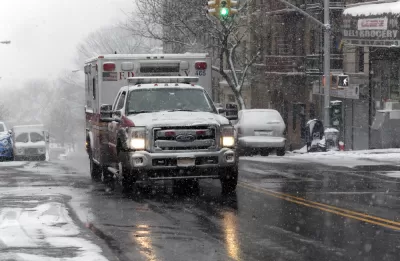
According to the National Highway Association, 6,227 people were killed on the road last year, more than any year since 1990. The upward trend in pedestrian deaths started at the beginning of this decade and shows no signs of slowing down. Bigger cars and distractions from cellphones are two leading causes of this growing problem.
Road design and development patterns are another part of the problem. "Georgia is one of five states that made up nearly half of all the nation's pedestrian fatalities in 2018. The others were Texas, Arizona, Florida and California," Sea Stachura reports for NPR. Most people will not walk more than 300 feet to use a crosswalk, in Macon, Georgia a city that has struggled with pedestrian safety, crosswalks are often two miles apart. "In Macon, many thoroughfares are also state highways, one of the types of roads where pedestrian fatalities are common," Stachura writes.
Read the full story: Why Pedestrian Deaths Are At A 30-Year High

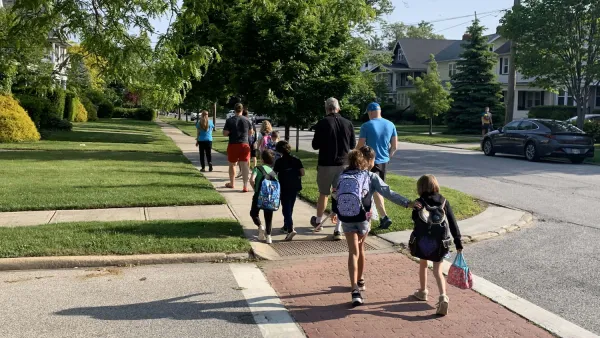
An Ohio School District is Known for its Walkability. A District Overhaul is Jeopardizing That.
Lakewood plans to close some schools and consolidate students to a centralized early education center, eliminating years of work that created safe walking routes to neighborhood schools.
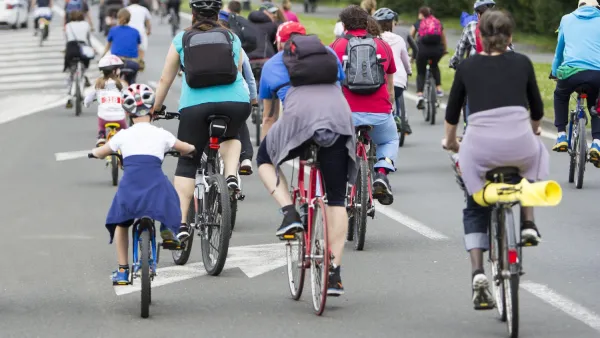
Unleashing the Power of Cycling With Smart Messaging
Lloyd Alter describes how creative design and copywriting can flip the script and promote active transport.
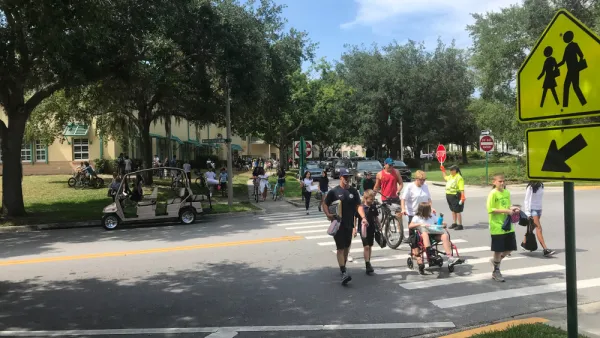
Opinion: Road Safety Data Should Include Close Calls
Even in the absence of lethal collisions, the experience of repeated near-misses can discourage pedestrians from walking and degrade public perception of road safety.

Planetizen Federal Action Tracker
A weekly monitor of how Trump’s orders and actions are impacting planners and planning in America.

The state-sanctioned urbicide of Austin
People don’t kill cities. Freeways do.

US to reduce Colorado River water deliveries to Mexico
A new Colorado Treaty amendment reduces Mexico’s Colorado River water allocation by 250,000 acre feet.

Nation's most wind-powered state turns to coal as data centers increase energy demand
For the first time in decades, Iowa has increased its generation of coal power.

NYC cools commuters with city's first rain garden above a bus stop
New York City officials say the plants in the rain garden can absorb 16 gallons of rainwater during heavy storms.

Brightline West’s future may rely on $6 billion federal loan
The company has until Nov. 2 to make a $400 million equity investment into its proposed high-speed rail line.

FREE Course: Walkable City 1: Why Walkability?
After describing his path towards focusing on walkability as the essence of good planning, Jeff Speck marches through his five principal reasons for making more walkable places.
Reinventing Malls: Planning Alchemy—Turning Gray Fields Into Gold
The course focuses on the opportunities and imperatives that shape reinvention of mall sites.

Eagle County Government
Harvard University Graduate School of Design
Nashville Planning Department
The Architects Foundation
University of Cincinnati Online
The Pocatello Development Authority
The Urban Renewal Agency of the City of Pocatello
Journal of the American Planning Association