Low wages and a strong economy are making it hard to find new bus drivers in Denver. The lack of drivers leads to decreased service.



Denver’s Regional Transportation District (RTD) is having trouble hiring drivers. The $19.23 per hour starting wages have not attracted enough bus drivers to fill all the routes and replace drivers retiring. "The Regional Transportation District is short 120 full- and part-time drivers. Without these drivers, some buses and trains never leave the station, leaving passengers waiting and frustrated," reports Andy Bosselman. The labor shortage is having an impact on the ground, "In February, RTD cancelled some buses and trains, totaling 1,204 missed service hours," Bosselman writes. If bus schedules are forced to shrink, that makes transit less attractive in a city that’s already losing bus ridership.
Other American cities are facing a similar problem. Denver is a city with a rising cost of living and a low 3.7 percent unemployment rate. Another issue is the RTD's long hiring process, which loses candidates along the way. The agency has sought to curb this loss by adding electronic hiring capability, but some complain the system is still too slow.
FULL STORY: Colorado’s Bus Driver Shortage. Part 1: The Problem

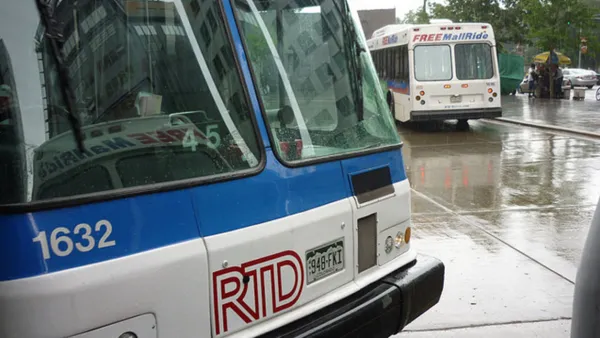
Denver Bus Driver Shortage Disrupting Service
If there was a Bronco's game on Sunday, you might be late to work Monday, because RTD doesn't have the drivers to cover both rushes.
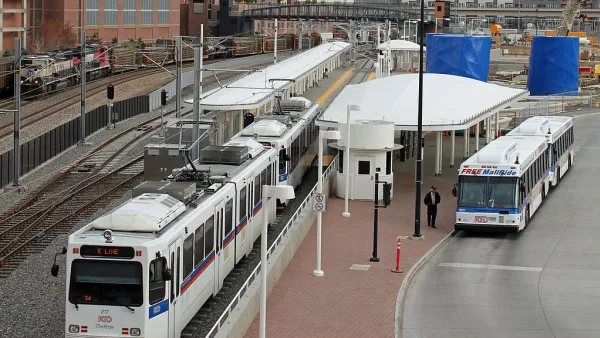
More Service Cuts Due to Denver's Bus Driver Shortage
Denver transit riders are bearing the brunt of the region's lack of transit drivers.
New Colorado Fossil Fuel Fee Will Fund Transit
Lawmakers say the agreement prevents a drawn-out legislative battle and establishes a new source of transit funding.

Planetizen Federal Action Tracker
A weekly monitor of how Trump’s orders and actions are impacting planners and planning in America.

The state-sanctioned urbicide of Austin
People don’t kill cities. Freeways do.

US to reduce Colorado River water deliveries to Mexico
A new Colorado Treaty amendment reduces Mexico’s Colorado River water allocation by 250,000 acre feet.

5 New England states march closer to 800 megawatt wind energy project
Securing federal approval for the project may be complicated under the Trump administration, which has historically been hostile towards domestic wind power.

Baltimore to break ground on $50 million Transit Priority Project
The project will bring faster bus trips, safer streets and better bike connections to Baltimore.

Airbnb launches $250 million 'last-dollar financing' housing accelerator, makes first investment in Austin
The company will put $6.4 million towards affordable housing development in Texas’ capital.

FREE Course: Walkable City 1: Why Walkability?
After describing his path towards focusing on walkability as the essence of good planning, Jeff Speck marches through his five principal reasons for making more walkable places.
Reinventing Malls: Planning Alchemy—Turning Gray Fields Into Gold
The course focuses on the opportunities and imperatives that shape reinvention of mall sites.

Eagle County Government
Harvard University Graduate School of Design
Nashville Planning Department
The Architects Foundation
University of Cincinnati Online
The Pocatello Development Authority
The Urban Renewal Agency of the City of Pocatello
Journal of the American Planning Association