Forty bus routes are losing trips because the Twin Cities have been unable to recruit and retain sufficient drivers to run the system.


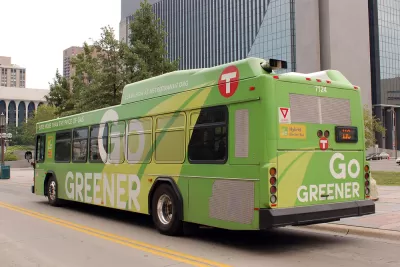
The Metro Transit driver shortage is causing massive cancelations in the city. The service is cutting 67 trips a day from 40 routes, because there aren't enough drivers to complete the trips. "The transit agency says it is short about 90 drivers, despite a recent push to recruit new operators across the Twin Cities," Tim Nelson reports for Minnesota Public Radio.
Many transit services have had issues hiring enough drivers, and Metro Transit has had issues here already. This service cut marks an escalation of the problem. "The agency says it is working aggressively to hire more drivers, but that competition for people who have a commercial driver's license, including truck and school bus drivers, is stiff," Nelson writes.
Representatives from the agency say the position pays well ($20 per hour to start) has a good benefits package. Evidently that package hasn't been enough to attract more drivers.
FULL STORY: Metro Transit driver shortage forces suspensions on dozens of bus routes

Denver's Regional Transportation District Cuts Bus Service
Low ridership and driver shortages mean the Denver area's Regional Transportation District cut bus service.
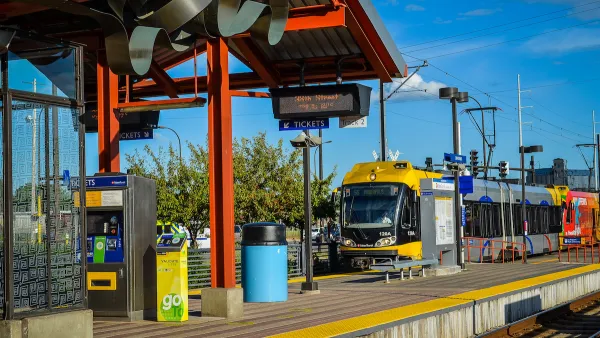
Twin Cities Trains Move to Fewer Cars, Higher Frequency
Headways will drop from 15 minutes to 12 minutes.
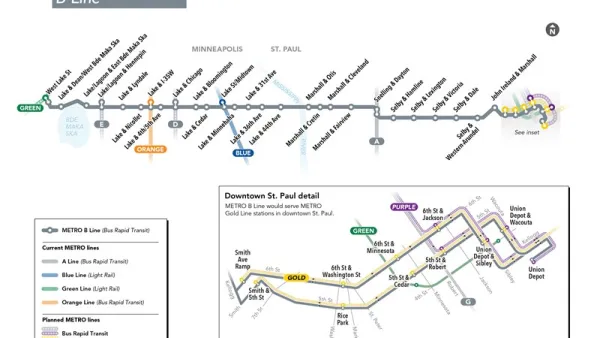
New Bus Rapid Transit Route Breaks Ground in the Twin Cities
The Twin Cities are on a mission to become the bus rapid transit capital of the United States. The latest improvement to advance that ambition broke ground earlier this week.

Planetizen Federal Action Tracker
A weekly monitor of how Trump’s orders and actions are impacting planners and planning in America.

The state-sanctioned urbicide of Austin
People don’t kill cities. Freeways do.

US to reduce Colorado River water deliveries to Mexico
A new Colorado Treaty amendment reduces Mexico’s Colorado River water allocation by 250,000 acre feet.

Mamdani overhauls NYC's Vision Zero plan with 100 new policy goals
The overhaul aims to reduce traffic deaths and make streets safer for pedestrians, cyclists and drivers through lower speed limits, new safety infrastructure and more.

Amtrak not solely to blame for New Jersey commuter rail's unreliability, report finds
A new study from the Garden State Initiative found that NJ Transit’s budget grew 20% across a 4 year period, but reliability declined significantly over the same period.

EPA erases limits on planet-warming pollution from power plants
Under Monday’s plan, power plants would still have some limits on how much mercury, arsenic and other contaminants they can emit.

FREE Course: Walkable City 1: Why Walkability?
After describing his path towards focusing on walkability as the essence of good planning, Jeff Speck marches through his five principal reasons for making more walkable places.
Reinventing Malls: Planning Alchemy—Turning Gray Fields Into Gold
The course focuses on the opportunities and imperatives that shape reinvention of mall sites.

Eagle County Government
Harvard University Graduate School of Design
Nashville Planning Department
The Architects Foundation
University of Cincinnati Online
The Pocatello Development Authority
The Urban Renewal Agency of the City of Pocatello
Journal of the American Planning Association