Both Maryland and Hawaii are in a race to become the first state to ban polystyrene food containers and beverage cups. The Maryland bill passed the legislature March 12 and awaits a decision by Republican Gov. Hogan. Too early to tell on Hawaii.


"While hundreds of cities and counties have passed local ordinances eliminating polystyrene in food containers or in other uses, no legislation has so far been successful at the state level in the United States," reported Erica Cirino for Pacific Standard on March 5, 2018, after a statewide polystyrene foam prohibition bill had passed Hawaii's Senate for the first time in 10 years.
No state has more polystyrene ordinances than California, yet a bill to ban this type of plastic, known as expanded polystyrene, not to be confused with Styrofoam™, a Dow trade name, failed on Jan. 30, 2018, reported Cole Rosengren, editor of Waste Dive.
This is the second time that the bill's sponsor, Sen. Benjamin Allen of Santa Monica, has gotten it to the floor for a vote and missed out by a thin margin. SB 705 [known as the Ocean Pollution Reduction Act] went down on its first attempt in May 2017 by a 15-19 vote.
The Hawaii bill, SB 2498, co-sponsored by Senator Stanley Chang, would soon die in committee in the state House of Representatives, but a successor bill, SB 522, would fare better this year. According to a March 20 AP report, important parts that would ban single-use plastics were stripped from the bill, though it indicates that they deferred action on "another bill" that would ban polystyrene containers from restaurants.
Success in Maryland
"With approval from both chambers, the state legislature moved [March 12] toward making Maryland the first state in the country to ban polystyrene foam food containers and cups, reports Luke Broadwater for The Baltimore Sun (source article). It was the third attempt by Del. Brooke Lierman, a Baltimore Democrat who sponsored HB 109, to pass the landmark legislation.
A week earlier, the bill's companion in the Senate, SB 285 by Sen. Cheryl Kagan. "Food service businesses would have until Jan. 1, 2020, to transition to non-foam containers, though a one-year waiver may be available to businesses that would experience 'undue hardship' from the ban," according to The Frederick News.
"Republican Gov. Larry Hogan has not taken a position yet on whether he would sign the bill, according to a spokeswoman," adds Broadwater for The Sun. "The measure is among the priorities of Democratic leaders of the General Assembly."
- Bill would ban multiple plastics, Hawaii Tribune-Herald, March 3, 2019
- Hawaii weighs first-in-nation plastic bans at restaurants, AP via Washington Post, March 19, 2019
- New York City Polystyrene Ban Took Effect New Year's Day, January 4, 2019
Hat tip to Maryland Chapter of the Sierra Club
Read the full story: Maryland moves closer toward becoming first state to ban foam food containers

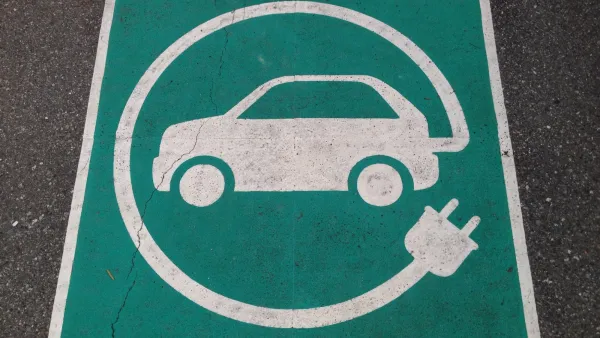
California Climate Program Offers Up to $9,500 Toward Purchase of Used EVs
Lawmakers want to ensure that electric vehicles are accessible to all Californians, particularly lower-income motorists in disadvantaged communities. Unlike other incentive programs, participants must also scrap an older, polluting vehicle.
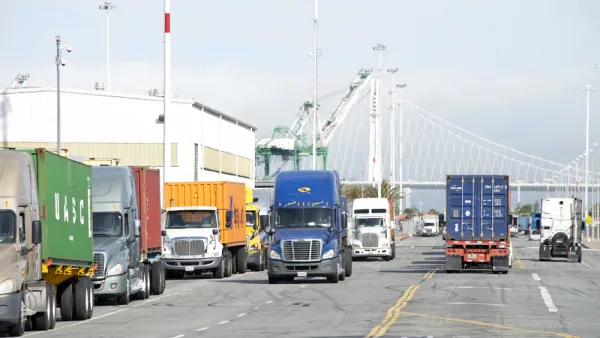
Two New California Laws Take Aim at Pollution from Heavy-Duty Trucks
Trucks, which disproportionately contribute toward air pollution, will soon be subject to similar types of smog checks that apply to light-duty vehicles. A second bill signed by Gov. Gavin Newsom will spur movement toward cleaner alternatives.
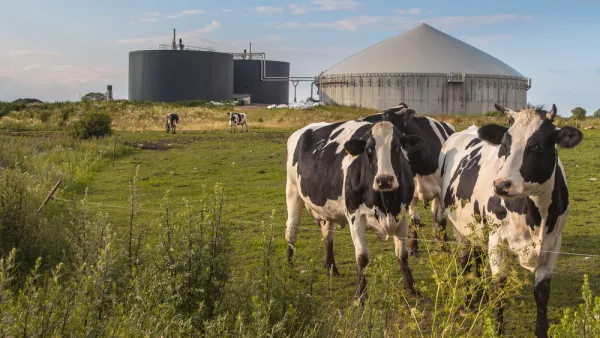
Renewable Natural Gas Makes Inroads in California, Oregon, and Missouri
What is expected to be the nation's largest dairy biogas operation opened in the Central Valley. To the north, Gov. Kate Brown signed the nation's first bill to establish goals to add renewable gas to pipelines, and pigs in Missouri also made news.

Planetizen Federal Action Tracker
A weekly monitor of how Trump’s orders and actions are impacting planners and planning in America.

Colorado’s Largest Data Center Could Rise Next to Homes — Without a Public Hearing
The proposed campus would consume 11 times the power of Denver International Airport; as it has across the country, opposition mounts.

US to reduce Colorado River water deliveries to Mexico
A new Colorado Treaty amendment reduces Mexico’s Colorado River water allocation by 250,000 acre feet.

Judges permit Denver to divert 77,000 acre feet from the Colorado River for reservoir expansion
Overuse and climate change have caused the Colorado River’s water levels to plummet.

Amtrak, CN end decades-long dispute with eight-year agreement
The new operating agreement establishes an updated framework for the companies to work together, including processes to resolve disputes.
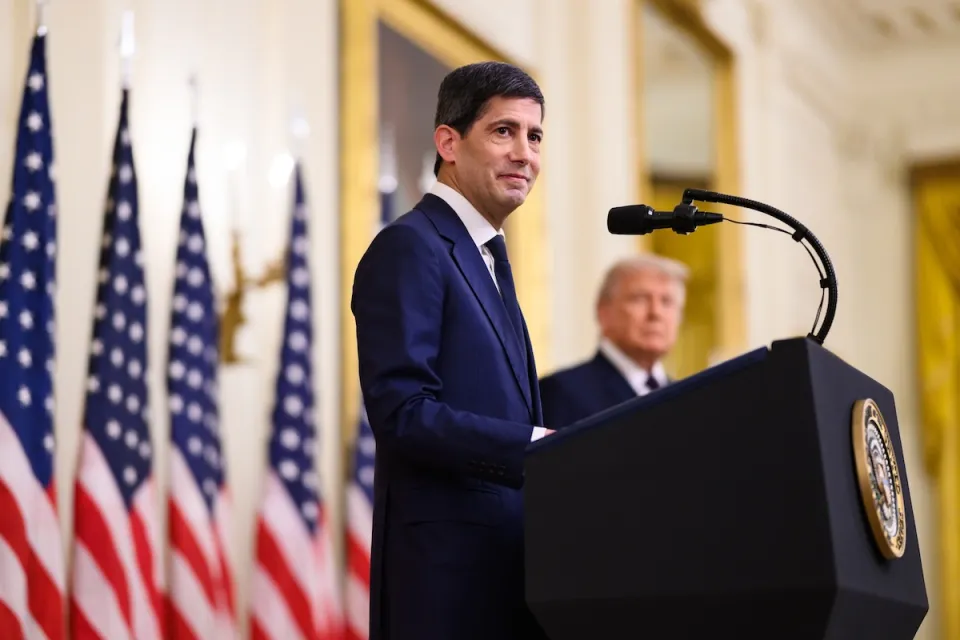
Raised interest rates may kill financially vulnerable construction projects
The chief economist at ConstructConnect warns that if construction project owners are negatively impacted by the raised rates, it could result in delayed payments to contractors.

FREE Course: Walkable City 1: Why Walkability?
After describing his path towards focusing on walkability as the essence of good planning, Jeff Speck marches through his five principal reasons for making more walkable places.
Reinventing Malls: Planning Alchemy—Turning Gray Fields Into Gold
The course focuses on the opportunities and imperatives that shape reinvention of mall sites.

KFH Group Inc.
Greater Baltimore Committee
Eagle County Government
The Architects Foundation
University of Cincinnati Online
The Pocatello Development Authority
The Urban Renewal Agency of the City of Pocatello