An historic moment for planning in Seattle: Density bonuses for affordable housing are now allowed all over the city as Seattle implements a big piece of its long-percolating Mandatory Housing Affordability plan.


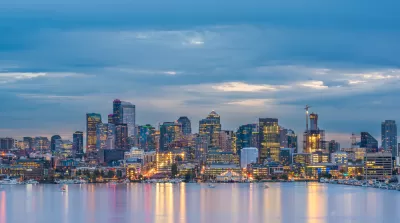
"Taller buildings in the hearts of more than two dozen neighborhoods, denser housing on some nearby blocks and requirements that developers help create affordable housing," writes Daniel Beekman.
Those will be the intended results of "some of the most sweeping zoning changes in the city’s recent history," after the Seattle City Council voted unanimous support for 27 upzoning proposals as part of the Mandatory Housing Affordability (MHA) plan.
"The council’s vote will allow denser construction in and around 27 neighborhood hubs while requiring developers in those areas to contribute to affordable housing by including low-income apartments in their buildings or by paying fees," explains Beekman. Other parts of the city already zoned for multi-family and dense commercial development will also be allowed new building heights. In total, about 6 percent of the city is now allowed to build at higher capacity than previously.
Beekman provides additional background on the history of the MHA initiative as well as the heated political debate that preceded the vote.
FULL STORY: Seattle upzones 27 neighborhood hubs, passes affordable-housing requirements

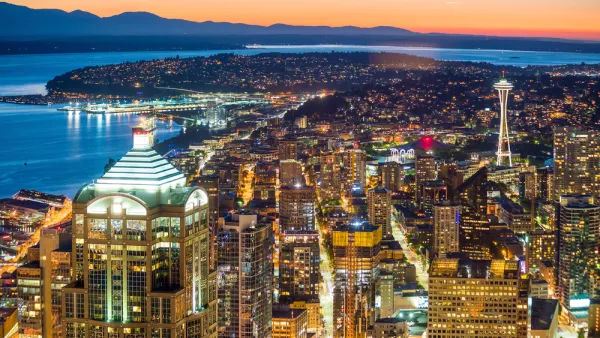
Judge Upholds Seattle's Housing Affordability and Livability Agenda, Clears the Way for Upzoning
Since a city judge determined the legality of the long controversial Housing Affordability and Livability Agenda, Seattle has been able to move forward with the plan to allow new density around the city.
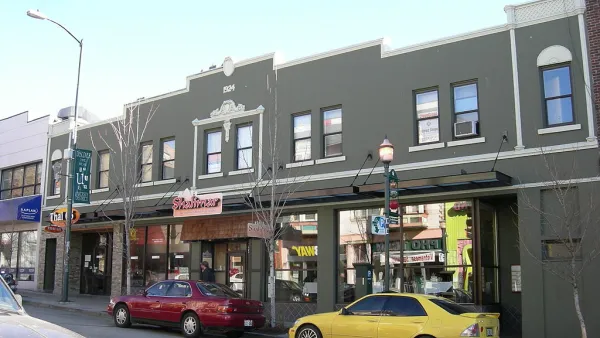
Debating the Future of One of Seattle's Pedestrian-Friendly Gems
The corridor along University Way is currently exempt from the wave of upzoning implemented by the city's Mandatory Housing Affordability program, but that exemption is only temporary.

Upzoning of Seattle's Single-Family Zoning Called a 'Disappointing Half-Measure'
A critical analysis of a proposal that would incrementally increase density in parts of Seattle.

Planetizen Federal Action Tracker
A weekly monitor of how Trump’s orders and actions are impacting planners and planning in America.

The state-sanctioned urbicide of Austin
People don’t kill cities. Freeways do.

US to reduce Colorado River water deliveries to Mexico
A new Colorado Treaty amendment reduces Mexico’s Colorado River water allocation by 250,000 acre feet.

Mamdani overhauls NYC's Vision Zero plan with 100 new policy goals
The overhaul aims to reduce traffic deaths and make streets safer for pedestrians, cyclists and drivers through lower speed limits, new safety infrastructure and more.

Amtrak not solely to blame for New Jersey commuter rail's unreliability, report finds
A new study from the Garden State Initiative found that NJ Transit’s budget grew 20% across a 4 year period, but reliability declined significantly over the same period.

EPA erases limits on planet-warming pollution from power plants
Under Monday’s plan, power plants would still have some limits on how much mercury, arsenic and other contaminants they can emit.

FREE Course: Walkable City 1: Why Walkability?
After describing his path towards focusing on walkability as the essence of good planning, Jeff Speck marches through his five principal reasons for making more walkable places.
Reinventing Malls: Planning Alchemy—Turning Gray Fields Into Gold
The course focuses on the opportunities and imperatives that shape reinvention of mall sites.

Eagle County Government
Harvard University Graduate School of Design
Nashville Planning Department
The Architects Foundation
University of Cincinnati Online
The Pocatello Development Authority
The Urban Renewal Agency of the City of Pocatello
Journal of the American Planning Association