It's hard to connect zoning to planning and development outcomes at a national level because very little data exists at that scale.


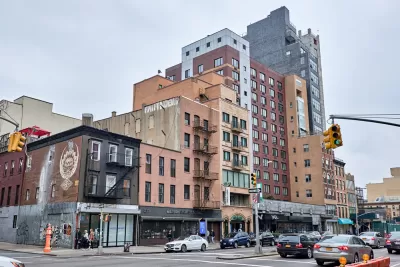
Graham MacDonald, Solomon Greene, and Emma Nechamkin put out a call for improved data on zoning to help address the nation's ongoing housing and development challenges.
Even though there has been some promising research on local zoning and land-use regulations, most has been hampered by a lack of data. How has zoning changed? What reforms were implemented and where? How have various reforms affected housing supply, affordability, and climate change? We either don’t know or know very little because data are out of date, incomplete, or do not exist.
The best existing data sources, according to the article, "consist of two surveys of local governments in the nation’s largest metropolitan areas dated 1994 and 2003, a regulatory index derived from a survey of local governments in 2007, and some recent papers that try to approximate zoning data using court decisions or construction costs (PDF)."
MacDonald, Greene, and Nechamkin are working at the Urban Institute to fill those gaps, promising to release several projects in the coming year. One fairly recent project, published in January, is already advancing the cause by assessing, "whether we can estimate density limits in local zoning codes using property assessment data."
FULL STORY: We need better zoning data to address pressing housing and development issues

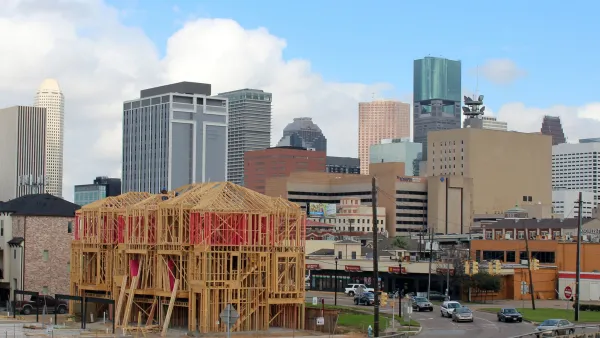
Watch: Debunking Myths About Houston's Lack of Zoning
A video published last week by City Beautiful reveals the myths and misconceptions of Houston's land use regulation system.

Zoning Didn't Stand a Chance Against the Economy in New York's Garment District
Zoning can only be so effective in holding off market forces, according to this column. New York City seems to have finally learned this lesson in the Garment District, but will it inform decisions in other parts of the city?

What Zoning Can and Can't Do
The powers, and the limitations, of zooming are explained in a series of posts on Greater Greater Washington.

The state-sanctioned urbicide of Austin
People don’t kill cities. Freeways do.

US to reduce Colorado River water deliveries to Mexico
A new Colorado Treaty amendment reduces Mexico’s Colorado River water allocation by 250,000 acre feet.

New Jersey’s second-largest city bans standalone data centers
Jersey City will continue to allow co-location facilities, such as those meant for research institutions that store their own data.

Amtrak not solely to blame for New Jersey commuter rail's unreliability, report finds
A new study from the Garden State Initiative found that NJ Transit’s budget grew 20% across a 4 year period, but reliability declined significantly over the same period.

EPA erases limits on planet-warming pollution from power plants
Under Monday’s plan, power plants would still have some limits on how much mercury, arsenic and other contaminants they can emit.

Phoenix announces new on-demand transit service, more frequent RAPID buses
Both new services will launch in October, and are part of Phoenix's Project Effective Access Solutions for Easing Congestion.

FREE Course: Walkable City 1: Why Walkability?
After describing his path towards focusing on walkability as the essence of good planning, Jeff Speck marches through his five principal reasons for making more walkable places.
Reinventing Malls: Planning Alchemy—Turning Gray Fields Into Gold
The course focuses on the opportunities and imperatives that shape reinvention of mall sites.

Eagle County Government
Harvard University Graduate School of Design
Nashville Planning Department
The Architects Foundation
University of Cincinnati Online
The Pocatello Development Authority
The Urban Renewal Agency of the City of Pocatello
Journal of the American Planning Association