A new report and toolkit helps policymakers and equity advocates apply comprehensive analysis to road pricing, considering affordability, accessibility and community health, and identifies way to achieve equity goals through pricing reforms.


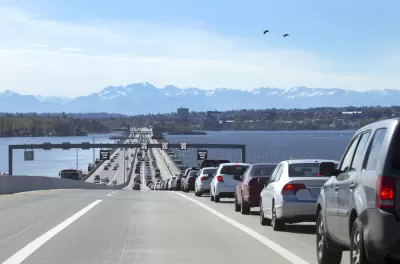
A growing number of jurisdictions are considering road pricing to reduce traffic congestion and raise revenue. These proposals often raise equity concerns: road pricing can burden low-income drivers with new costs, while rising urban housing costs are forcing some to move out of transit-rich urban centers and rely more on private vehicles. However, road pricing can provide many benefits, including equity benefits by providing more funding for walking, bicycling and public transit projects; improving bus speeds and reliability; and by reducing total vehicle traffic can improve urban mobility, livability and public health. Road pricing can be more equitable than other transportation funding options, such as property and sales taxes, and even fuel taxes.
"Pricing Roads, Advancing Equity: A Report and Toolkit to Help Communities Advance a More Equitable and Affordable Transportation System," by Stuart Cohen and Alan Hoffman at TransForm, challenges policymakers and equity advocates to apply comprehensive analysis to road pricing, and identifies various strategies to achieve equity outcomes, considering affordability, accessibility, and community health. It provides examples from cities in North America and around the world that have implemented some form of road pricing. It also looks at methods for achieving the full participation of vulnerable communities in the planning process. It also includes a worksheet to help equity advocates engage effectively in a transportation pricing planning process.


If Road Pricing Is Inherently Unfair and Regressive...
Road pricing has its faults as a revenue measure, but it needs to be compared to ten elements of the current system of paying for transportation, including hidden subsidies, says Joe Cortright, an urban economist with Portland-based City Observatory.
Towards a More Equitable Transit Future
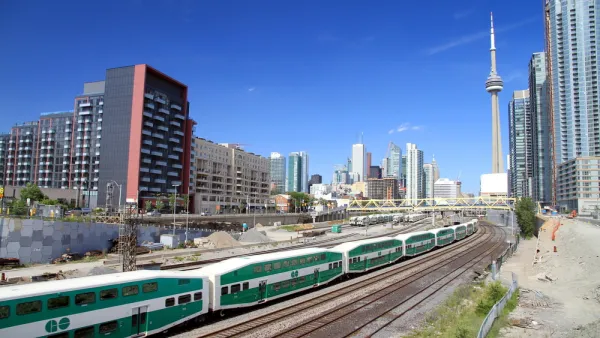
"Next Stop Equity" evaluates the fairness of public transit service allocation and pricing in the Toronto, Canada region, and recommends policy reforms to better achieve social equity objectives.

'Arrested mobility' and the fight for Black movement
Author Charles T. Brown explains how his experience growing up in rural Mississippi shaped his worldview and his current work for equitable transportation.

The state-sanctioned urbicide of Austin
People don’t kill cities. Freeways do.

US to reduce Colorado River water deliveries to Mexico
A new Colorado Treaty amendment reduces Mexico’s Colorado River water allocation by 250,000 acre feet.

New Jersey’s second-largest city bans standalone data centers
Jersey City will continue to allow co-location facilities, such as those meant for research institutions that store their own data.

Amtrak not solely to blame for New Jersey commuter rail's unreliability, report finds
A new study from the Garden State Initiative found that NJ Transit’s budget grew 20% across a 4 year period, but reliability declined significantly over the same period.

EPA erases limits on planet-warming pollution from power plants
Under Monday’s plan, power plants would still have some limits on how much mercury, arsenic and other contaminants they can emit.

Phoenix announces new on-demand transit service, more frequent RAPID buses
Both new services will launch in October, and are part of Phoenix's Project Effective Access Solutions for Easing Congestion.

FREE Course: Walkable City 1: Why Walkability?
After describing his path towards focusing on walkability as the essence of good planning, Jeff Speck marches through his five principal reasons for making more walkable places.
Reinventing Malls: Planning Alchemy—Turning Gray Fields Into Gold
The course focuses on the opportunities and imperatives that shape reinvention of mall sites.

Eagle County Government
Harvard University Graduate School of Design
Nashville Planning Department
The Architects Foundation
University of Cincinnati Online
The Pocatello Development Authority
The Urban Renewal Agency of the City of Pocatello
Journal of the American Planning Association