A series of editorial sets an environmental agenda for new political leadership in the state of Florida. Reform of the state's planning and development processes are included.


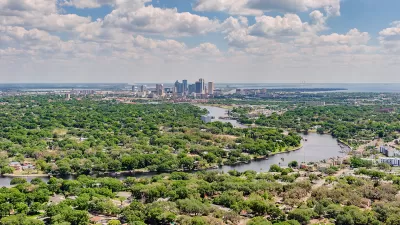
"Turning the Toxic Tide" is a series of editorials published collectively by the six editorial boards of USA TODAY Network-Florida.
The editorial that caught our eye at Planetizen initially tackles the subject of growth management, starting with the example of Santa Rosa County, where "mismanaged development and unfinished clay roads have regularly resulted in deadly runoffs that choke and kill seagrass and marine life in streams and bayous, including a dwindling number of natural oyster beds along the Santa Rosa coastline."
The larger point, exemplified by Santa Rosa County development, is that the state's water crosses jurisdictional boundaries, but land use and development regulations do not. According to the editorial, "the authority to manage growth largely rests with individual counties and municipalities. The result has been haphazard growth; and as development pressures intensify, so do the impacts on our lands and water."
As for the larger point of the series, an earlier editorial makes the case:
It is not hyperbole to say that Florida stands at an historic environmental crossroads — one which could have profound economic consequences as “business-friendly” policies adapted in the wake of the Great Recession have become a liability, impacting key industries such as tourism and real estate.
Ultimately, Florida’s desirability as a place to live, work or play will be diminished, possibly destroyed.
We cannot allow these crises to persist.
We must turn the toxic tide.
FULL STORY: Turning the Toxic Tide: Florida must reinvent the way it manages growth

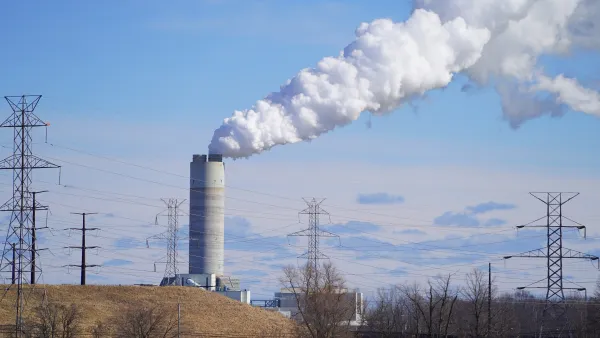
EPA erases limits on planet-warming pollution from power plants
Under Monday’s plan, power plants would still have some limits on how much mercury, arsenic and other contaminants they can emit.
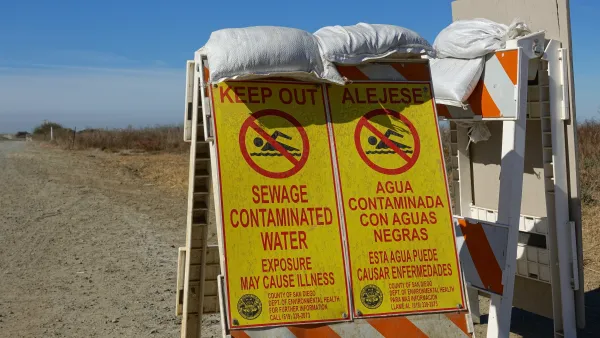
San Diego County to build treatment plant for Tijuana River sewage pollution crisis
The river has carried millions of gallons of untreated sewage into San Diego’s South Bay region.
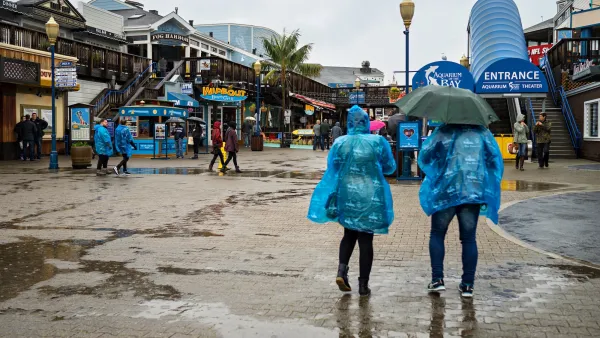
Rain gardens keep up to 99% of pollutants out of San Francisco Bay
The city's roadside rain gardens soak up stormwater and filter out dozens of harmful micropollutants.

The state-sanctioned urbicide of Austin
People don’t kill cities. Freeways do.

US to reduce Colorado River water deliveries to Mexico
A new Colorado Treaty amendment reduces Mexico’s Colorado River water allocation by 250,000 acre feet.

New Jersey’s second-largest city bans standalone data centers
Jersey City will continue to allow co-location facilities, such as those meant for research institutions that store their own data.

Amtrak not solely to blame for New Jersey commuter rail's unreliability, report finds
A new study from the Garden State Initiative found that NJ Transit’s budget grew 20% across a 4 year period, but reliability declined significantly over the same period.

EPA erases limits on planet-warming pollution from power plants
Under Monday’s plan, power plants would still have some limits on how much mercury, arsenic and other contaminants they can emit.

Phoenix announces new on-demand transit service, more frequent RAPID buses
Both new services will launch in October, and are part of Phoenix's Project Effective Access Solutions for Easing Congestion.

FREE Course: Walkable City 1: Why Walkability?
After describing his path towards focusing on walkability as the essence of good planning, Jeff Speck marches through his five principal reasons for making more walkable places.
Reinventing Malls: Planning Alchemy—Turning Gray Fields Into Gold
The course focuses on the opportunities and imperatives that shape reinvention of mall sites.

Eagle County Government
Harvard University Graduate School of Design
Nashville Planning Department
The Architects Foundation
University of Cincinnati Online
The Pocatello Development Authority
The Urban Renewal Agency of the City of Pocatello
Journal of the American Planning Association