Due to an aging populace, lackluster construction quality, and other factors, Japan is facing a glut of abandoned homes. For those with the ability to live there, these homes can be had for next to nothing.


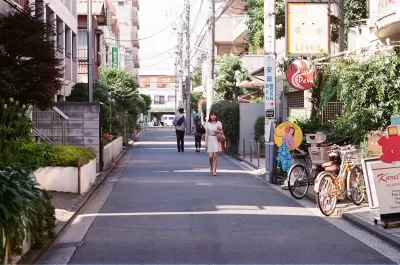
"There are some 8 million abandoned homes–or akiya–in Japanese suburbia," Jesus Diaz writes. In some cases, the government is selling these properties for very low sums, or even giving them away and subsidizing their renovation.
Japan is well-known for its aging population, and the resulting depopulation of some areas has increased the akiya count. At the same time, Diaz writes, other factors add to the likelihood that certain Japanese homes will be vacated. One is shoddily constructed older housing stock. Some homes "are valueless because of aging prefab construction, quickly developed to meet the post-World War II population boom and subsequent housing crisis." Cultural factors also have a role to play, especially when certain properties "may be associated with lonely deaths, murder, and suicides committed in the homes."
These akiya deals are available to non-Japanese citizens as well, as long as one secures a permanent resident visa: not an easy feat in Japan, but one that be become more common as the country opens its doors to more immigrants with in-demand skills.
FULL STORY: Why Japan is giving away free houses (and how to get one)

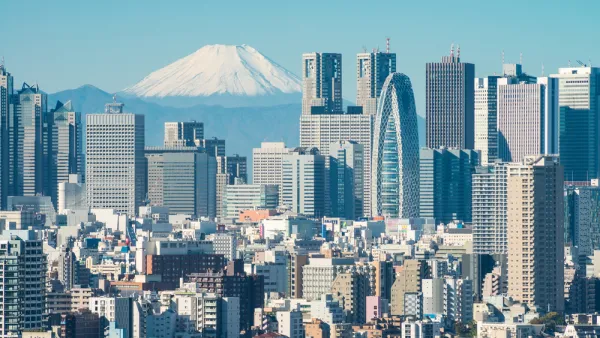
Japan's Rental Housing Market Defined by Land Scarcity, Earthquakes, Demographic Shifts
The island nation's housing market faces a discrepancy between existing stock and rapidly changing demographics.
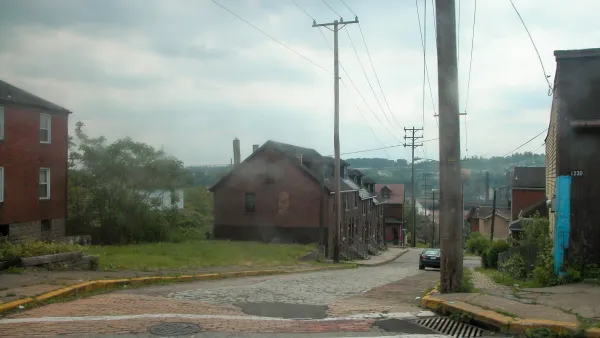
Managing Abandoned Homes in North Braddock
The usual litany of Rust Belt woes hit North Braddock, Pennsylvania particularly hard. The Pittsburgh suburb has shed two-thirds of its population and is burdened with 350 abandoned properties.
New Jersey Communities Build Coalition to Track Abandoned Properties
The residents of Camden County in New Jersey, across the Delaware River from Philadelphia, banded together to catalog the abandoned properties in their neighborhoods, where the problem of abandoned, or "zombie" properties, is growing.

The state-sanctioned urbicide of Austin
People don’t kill cities. Freeways do.

US to reduce Colorado River water deliveries to Mexico
A new Colorado Treaty amendment reduces Mexico’s Colorado River water allocation by 250,000 acre feet.

New Jersey’s second-largest city bans standalone data centers
Jersey City will continue to allow co-location facilities, such as those meant for research institutions that store their own data.

Amtrak not solely to blame for New Jersey commuter rail's unreliability, report finds
A new study from the Garden State Initiative found that NJ Transit’s budget grew 20% across a 4 year period, but reliability declined significantly over the same period.

EPA erases limits on planet-warming pollution from power plants
Under Monday’s plan, power plants would still have some limits on how much mercury, arsenic and other contaminants they can emit.

Phoenix announces new on-demand transit service, more frequent RAPID buses
Both new services will launch in October, and are part of Phoenix's Project Effective Access Solutions for Easing Congestion.

FREE Course: Walkable City 1: Why Walkability?
After describing his path towards focusing on walkability as the essence of good planning, Jeff Speck marches through his five principal reasons for making more walkable places.
Reinventing Malls: Planning Alchemy—Turning Gray Fields Into Gold
The course focuses on the opportunities and imperatives that shape reinvention of mall sites.

Eagle County Government
Harvard University Graduate School of Design
Nashville Planning Department
The Architects Foundation
University of Cincinnati Online
The Pocatello Development Authority
The Urban Renewal Agency of the City of Pocatello
Journal of the American Planning Association