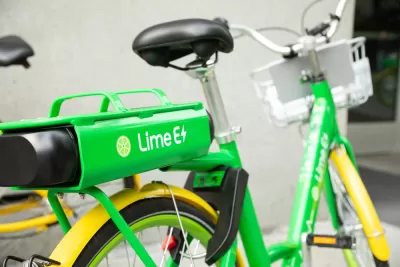
Liume, which formerly rented bikes and electric scooters, plans to have 1,500 cars to rent on the streets of Seattle early in 2019.


Joshua Brustein reports:
Lime is launching a car-sharing service in Seattle this week, starting with the placement of 50 vehicles on city streets. The company plans to add more cars weekly until it gets to 500 by the end of the year. By early 2019, Lime says it aims to have 1,500 cars in Seattle, which would make it the single largest free-floating car-sharing program in a U.S. city.
The new service is called LimePod, and it reverses a narrative that has emerged in recent months of "ride sharing" companies getting into the active transportation business. Here we have an active transportation company getting into the car sharing business.
"Users will be able to use its app to find cars, then unlock them for $1 and pay 40 cents per minute to drive around the city," adds Brustein.
FULL STORY: Lime Wants to Spread 1,500 Shared Cars Around Seattle

Ten Actions For Cities In Response To Gulf Spill
Grist's Jonathan Hiskes spoke with smart growth leaders to devise strategies that municipalities, as opposed to U.S. government, can take to lessen oil dependency - that are financially sustainable, not overly dependent on technology, and ready to go
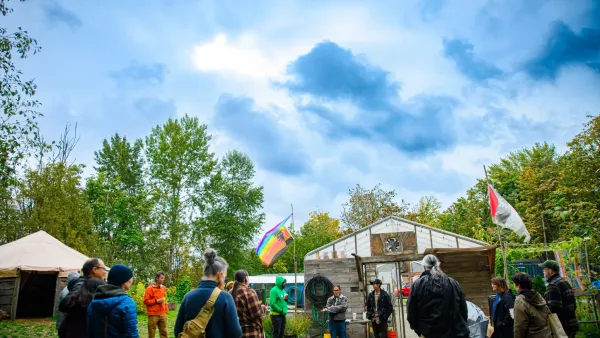
Seattle land ‘rematriated’ to Duwamish Tribe
Volunteer efforts transformed the space from a hazardous waste zone to a community gathering spot.
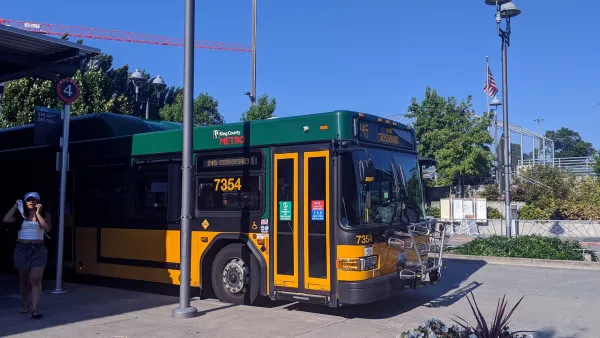
King County Metro adds 3,000 weekly bus trips, more connections to rail
King County Metro and Sound Transit are both making major adjustments to their bus networks to improve light rail connectivity across the region.

Planetizen Federal Action Tracker
A weekly monitor of how Trump’s orders and actions are impacting planners and planning in America.

The state-sanctioned urbicide of Austin
People don’t kill cities. Freeways do.

US to reduce Colorado River water deliveries to Mexico
A new Colorado Treaty amendment reduces Mexico’s Colorado River water allocation by 250,000 acre feet.

LA Metro’s ultimatum: no extra buses for LA28 if federal funding isn’t imminently secured
If Metro does not provide additional buses, LA28 organizers will have to find a new way to manage Olympic traffic. LA28’s budget does not include a line item for transit.

Colorado’s Largest Data Center Could Rise Next to Homes — Without a Public Hearing
The proposed campus would consume 11 times the power of Denver International Airport; as it has across the country, opposition mounts.

5 New England states march closer to 800 megawatt wind energy project
Securing federal approval for the project may be complicated under the Trump administration, which has historically been hostile towards domestic wind power.

FREE Course: Walkable City 1: Why Walkability?
After describing his path towards focusing on walkability as the essence of good planning, Jeff Speck marches through his five principal reasons for making more walkable places.
Reinventing Malls: Planning Alchemy—Turning Gray Fields Into Gold
The course focuses on the opportunities and imperatives that shape reinvention of mall sites.

Eagle County Government
Harvard University Graduate School of Design
Nashville Planning Department
The Architects Foundation
University of Cincinnati Online
The Pocatello Development Authority
The Urban Renewal Agency of the City of Pocatello
Journal of the American Planning Association