For the first time in years, there is talk of expanding service on existing rail lines in the Washington Metropolitan Area Transit Authority (Metro) system.


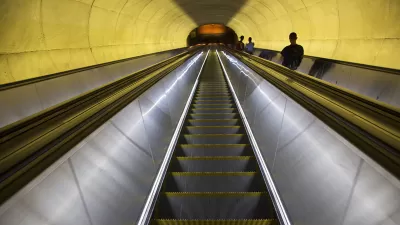
"Metro officials are seeking to institute a slew of changes in their upcoming budget to win back riders — including charging a flat $2 fare for subway trips taken on weekends, expanding the rush-hour window to include later times on weekday mornings and evenings and increase all trains to their maximum length of eight cars," reports Martine Powers.
The proposed service changes were included in Metro's budget for 2020, which must still be approved by the Metro Board of Directors. The news of the investment in Metro service comes after years of expensive malfunctions, cuts in service, increased fares, and declining ridership.
Funding obstacles must still be overcome to achieve the goals of the proposals, reports Powers. "While there are a number of improvements such as pass discounts and automatic train operations that we can do within the new cap on subsidy growth, the service improvements I am including in this budget will need the region’s support and the Board’s approval," said Metro General Manager Paul J. Wiedefeld in a statement released on Monday. According to Powers, the proposed changes would require more than the increased funding approved earlier this year by Maryland, Virginia, and Washington, D.C.
Specific improvements proposed in the budget include extending Yellow Line Service, running Red Line trains to Glenmont during rush hour, "which would double rush hour service on the northeastern end of the Red Line," according to Powers.
FULL STORY: Metro wants to lower weekend fares and add more evening service to win back riders

D.C. Metro to Consider Reduced Rail Service Hours After SafeTrack Concludes
What was thought to be a temporary end to late night weekend service could become a permanent reality on the tracks of Metrorail.
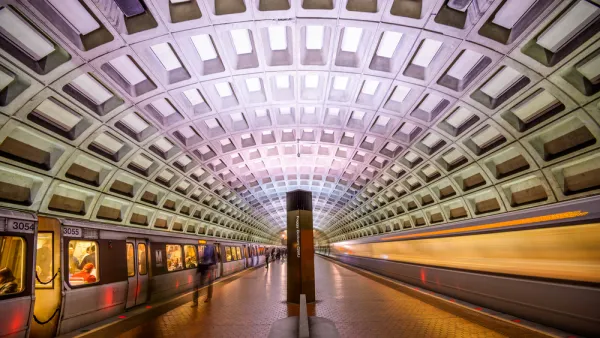
Showdown Over Late Night Hours on D.C. Metro
The general manager of D.C. Metro wants to extend limited late night rail service, in place for two years, into 2019 and beyond. Metro board members have had enough.
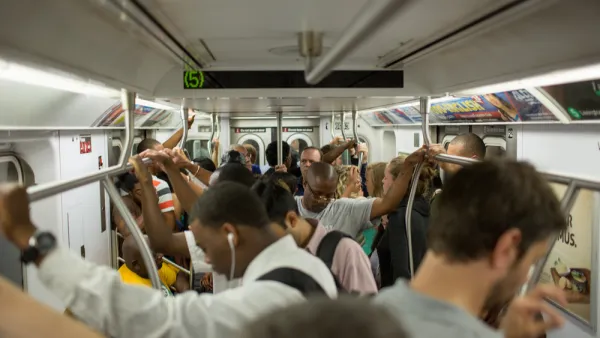
Transit's No Good, Very Bad Day
Transit commuters in New York and Washington, D.C. were understandably frustrated yesterday. One wonders when enough will be enough, and what happens then?

The state-sanctioned urbicide of Austin
People don’t kill cities. Freeways do.

US to reduce Colorado River water deliveries to Mexico
A new Colorado Treaty amendment reduces Mexico’s Colorado River water allocation by 250,000 acre feet.

New Jersey’s second-largest city bans standalone data centers
Jersey City will continue to allow co-location facilities, such as those meant for research institutions that store their own data.

Amtrak not solely to blame for New Jersey commuter rail's unreliability, report finds
A new study from the Garden State Initiative found that NJ Transit’s budget grew 20% across a 4 year period, but reliability declined significantly over the same period.

EPA erases limits on planet-warming pollution from power plants
Under Monday’s plan, power plants would still have some limits on how much mercury, arsenic and other contaminants they can emit.

Phoenix announces new on-demand transit service, more frequent RAPID buses
Both new services will launch in October, and are part of Phoenix's Project Effective Access Solutions for Easing Congestion.

FREE Course: Walkable City 1: Why Walkability?
After describing his path towards focusing on walkability as the essence of good planning, Jeff Speck marches through his five principal reasons for making more walkable places.
Reinventing Malls: Planning Alchemy—Turning Gray Fields Into Gold
The course focuses on the opportunities and imperatives that shape reinvention of mall sites.

Eagle County Government
Harvard University Graduate School of Design
Nashville Planning Department
The Architects Foundation
University of Cincinnati Online
The Pocatello Development Authority
The Urban Renewal Agency of the City of Pocatello
Journal of the American Planning Association