In some respects, D.C. Metro has been the poster child for dysfunctional transit systems in recent years, but the states of Virginia and Maryland are close to ensuring a new source of funding that could help stabilize the transit agency.


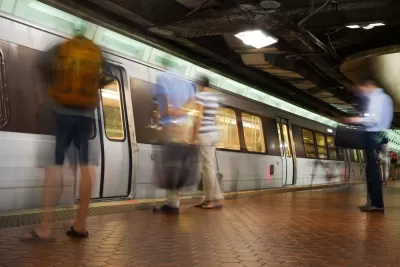
"The Virginia General Assembly agreed Saturday to give Metro $154 million a year in permanent, new funding," reports Robert McCartney.
The new funding comes "on the condition that Maryland and the District make somewhat larger contributions to provide the transit system with a total of up to $500 million more annually."
The D.C. Metro subway system has lacked a dedicated source of funding since it opened in 1976, so the decision by the Virginia General Assembly can be described as an historic step. Next steps will include resolving the legislation with the State Senate and the governor's office. Maryland is at a similar point in the approval of matching legislation.
The article includes a lot more detail about the ongoing politics of the funding bills in both states.
FULL STORY: Breakthrough in Virginia on Metro funding: Lawmakers approve $154 million


Showdown Over Proposed Service Improvements for D.C. Metro
The state of Virginia won't let Washington Metro increase services that surpass a three percent subsidy cap implemented this summer.

Trump Administration Proposes to Divert Billions from Mass Transit to Highways; Advocates Sound Alarm
Two proposals from the Trump DOT would eliminate a federal mass transit fund and make it harder for states to allocate funding to transit projects.
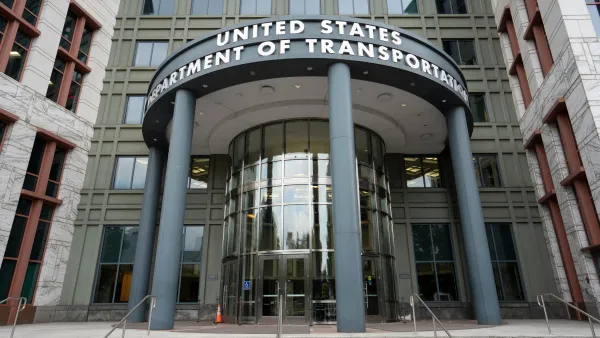
Federal Judge Rules Trump Can’t Tie Transportation Funding to Immigration Policy
The judge said the administration did not offer “any plausible connection” between transportation projects and immigration enforcement.

The state-sanctioned urbicide of Austin
People don’t kill cities. Freeways do.

US to reduce Colorado River water deliveries to Mexico
A new Colorado Treaty amendment reduces Mexico’s Colorado River water allocation by 250,000 acre feet.

New Jersey’s second-largest city bans standalone data centers
Jersey City will continue to allow co-location facilities, such as those meant for research institutions that store their own data.

Amtrak not solely to blame for New Jersey commuter rail's unreliability, report finds
A new study from the Garden State Initiative found that NJ Transit’s budget grew 20% across a 4 year period, but reliability declined significantly over the same period.

EPA erases limits on planet-warming pollution from power plants
Under Monday’s plan, power plants would still have some limits on how much mercury, arsenic and other contaminants they can emit.

Phoenix announces new on-demand transit service, more frequent RAPID buses
Both new services will launch in October, and are part of Phoenix's Project Effective Access Solutions for Easing Congestion.

FREE Course: Walkable City 1: Why Walkability?
After describing his path towards focusing on walkability as the essence of good planning, Jeff Speck marches through his five principal reasons for making more walkable places.
Reinventing Malls: Planning Alchemy—Turning Gray Fields Into Gold
The course focuses on the opportunities and imperatives that shape reinvention of mall sites.

Eagle County Government
Harvard University Graduate School of Design
Nashville Planning Department
The Architects Foundation
University of Cincinnati Online
The Pocatello Development Authority
The Urban Renewal Agency of the City of Pocatello
Journal of the American Planning Association