The Kentucky Energy and Environment Cabinet has sounded an alarm about the state of the state's water infrastructure.



Kentucky's drinking water and sewer systems will require $15 billion in infrastructure improvements over planned expenditures over the next 20 years, according to the state's Energy and Environment Cabinet.
Ryan Van Velzer reports on the state's report about water supply and sewer infrastructure needs, where aging systems are in danger of failure. "About half of the infrastructure in place for water and sewers is past its design life," according to the article.
"The state’s 213 drinking water treatment plants are more than 38 years old, on average," explains Van Velzer, and "[a]bout 800 of Kentucky’s wastewater treatment plants are more than 36 years old, on average."
The recession coupled with lower water use per capita (at the same rates) have deferred maintenance of the state's water infrastructure, according to the article.
Read the full story: Kentucky Needs $15 Billion To Fix Aging Drinking Water, Sewer Systems


Public works officials indicate alarming decline in condition of water and sewer systems
Increased awareness of infrastructure issues combined with aging equipment and more extreme weather are leading more public works officials to feel their local systems are 'unsatisfactory.'
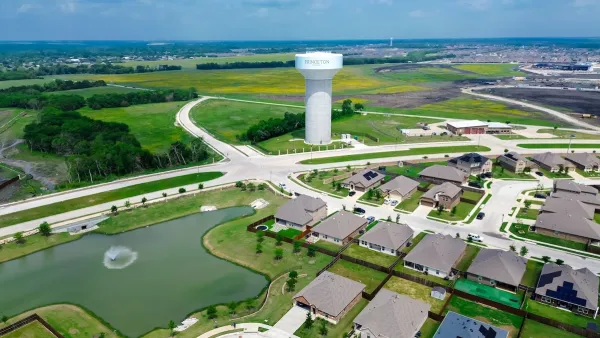
A 'Grim Diagnosis': Houston's Suburbs are Running out of Water
Rapidly growing cities are struggling to build out water infrastructure to meet the needs of new residents.
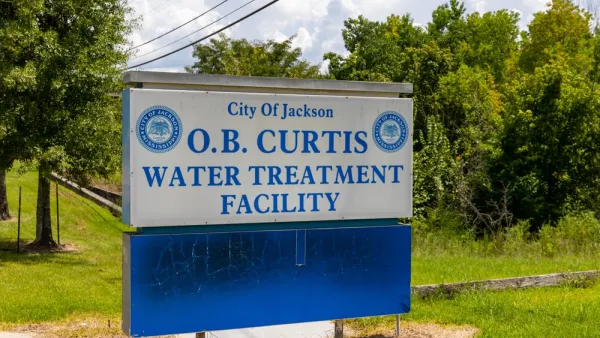
Mississippi Investigated for Civil Rights Violations in Jackson Water Crisis
The NAACP has accused a pair of Mississippi departments of discrimination against Black Mississippians, leading to the loss of drinking water in the state's capital city at the end of the summer.

Planetizen Federal Action Tracker
A weekly monitor of how Trump’s orders and actions are impacting planners and planning in America.

The state-sanctioned urbicide of Austin
People don’t kill cities. Freeways do.
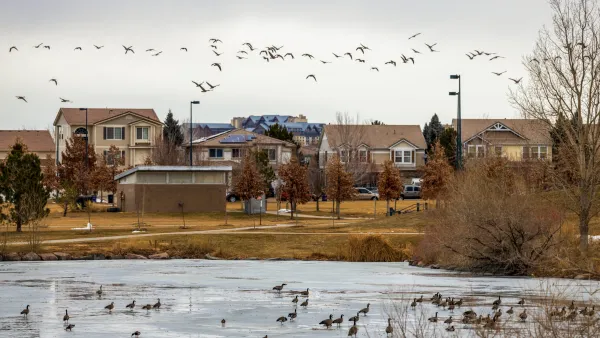
Colorado’s Largest Data Center Could Rise Next to Homes — Without a Public Hearing
The proposed campus would consume 11 times the power of Denver International Airport; as it has across the country, opposition mounts.

Amtrak, CN end decades-long dispute with eight-year agreement
The new operating agreement establishes an updated framework for the companies to work together, including processes to resolve disputes.
Raised interest rates may kill financially vulnerable construction projects
The chief economist at ConstructConnect warns that if construction project owners are negatively impacted by the raised rates, it could result in delayed payments to contractors.
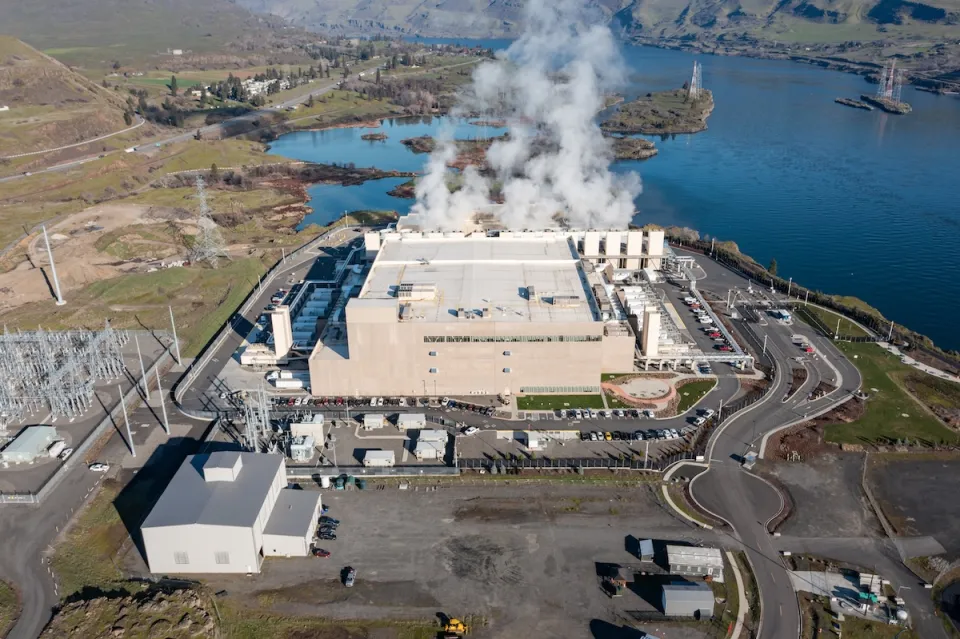
Data centers are consuming nearly 25% of Oregon’s power
The state has 111 data centers, with 32 more either planned or under construction.

FREE Course: Walkable City 1: Why Walkability?
After describing his path towards focusing on walkability as the essence of good planning, Jeff Speck marches through his five principal reasons for making more walkable places.
Reinventing Malls: Planning Alchemy—Turning Gray Fields Into Gold
The course focuses on the opportunities and imperatives that shape reinvention of mall sites.

Greater Baltimore Committee
Eagle County Government
Harvard University Graduate School of Design
The Architects Foundation
University of Cincinnati Online
The Pocatello Development Authority
The Urban Renewal Agency of the City of Pocatello
Journal of the American Planning Association