An analysis of 1,500 reports showed a shockingly high rate of error when reading license plates.


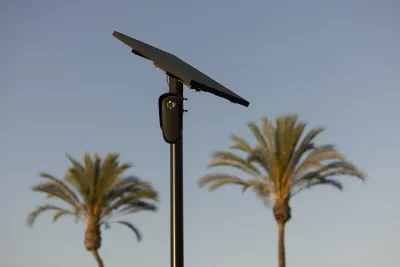
A study of close to 1,500 Flock camera reports in Roseville, California found that the cameras failed to properly detect license plates 71% of the time, reports
Tyler Lacoma for CNET.
According to Lacoma, "Mistaking one number for another, like seeing a 7 as a 1, can lead Flock cameras to incorrectly identify an innocent vehicle as one that was previously stolen. That’s exactly what happened in the California situation, where a citizen complained that the cameras were repeatedly flagging his car to police as stolen because the AI technology interpreted a 9 as an 8."
The analysis was conducted between 2023 and 2024, so Lacoma points out that the technology and the Large Language Models it uses has likely improved. "However, we’ve also seen the opposite happen: AI models can eat up bad data, especially 'recursive' data that was created by another AI, and start becoming dumber, less accurate when performing their tasks."
If Flock cameras can't be trusted, Lacoma points out, it will create more work for police departments, not less, like the company claims. "If Flock’s core services could have such a high failure rate, that’s another reason for police and sheriff departments to reconsider their use, and could make it difficult for Flock to sell new cities on its technology."
Read the full story: Flock’s AI Cameras May Have Misread Over 70% of License Plates, Creating New Headaches for Cities

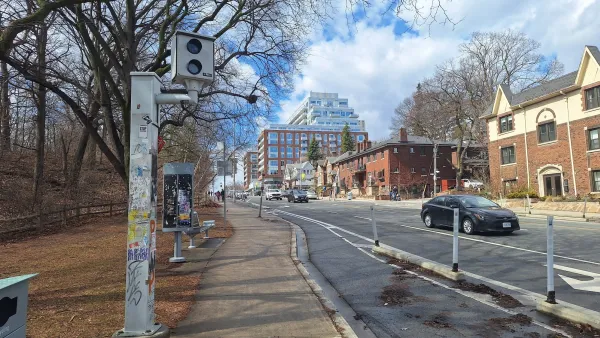
Speeding surges after Ontario cities remove traffic cameras
The province ordered cities to remove the devices despite data that shows they save lives.

After San Francisco installed traffic cameras, speeding dropped by 80%
The city was allowed to install speed cameras as part of a five-year pilot program approved by California in 2023.
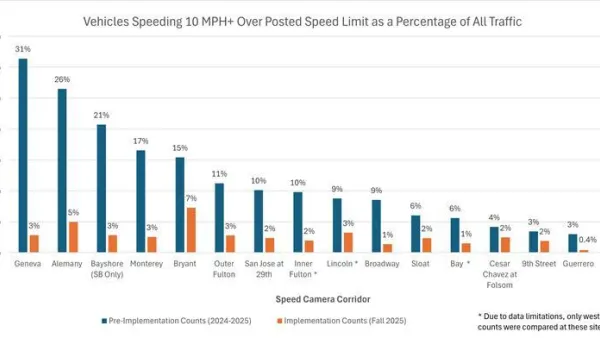
Data: San Francisco Traffic Cameras Reduce Speeding by 72%
The city’s automated enforcement program has led to a dramatic drop in speeding at camera locations.

Planetizen Federal Action Tracker
A weekly monitor of how Trump’s orders and actions are impacting planners and planning in America.

Amtrak, CN end decades-long dispute with eight-year agreement
The new operating agreement establishes an updated framework for the companies to work together, including processes to resolve disputes.

Northwest rail fans eager for Sept. 30 debut of Amtrak’s Airo fleet
Get ready for that new train smell and more seats. But they won’t go faster or run more frequently on the Cascades route in Washington and Oregon.

Brightline Florida files for bankruptcy
The transit company is over $5 billion in debt.

St. Louis Metro to test if single-car trains can reduce operating costs, maintain rider satisfaction
The pilot program will run from October to spring 2027, and begin with one single-car train operating on Metrolink’s Red and Blue lines.

Pennsylvania is building data centers in abandoned mines
Housing data centers in mines provides an alternative to destroying local forests and may spare residents from data centers’ noise and air pollution.

FREE Course: Walkable City 1: Why Walkability?
After describing his path towards focusing on walkability as the essence of good planning, Jeff Speck marches through his five principal reasons for making more walkable places.
Reinventing Malls: Planning Alchemy—Turning Gray Fields Into Gold
The course focuses on the opportunities and imperatives that shape reinvention of mall sites.

City of Thousand Oaks
City of Wisconsin Rapids
Harvard University Graduate School of Design
The Architects Foundation
University of Cincinnati Online
The Pocatello Development Authority
The Urban Renewal Agency of the City of Pocatello