Despite a commitment to improving its multimodal infrastructure, the city has no plans to install bike lanes or curb cuts as part of repaving projects on two streets.


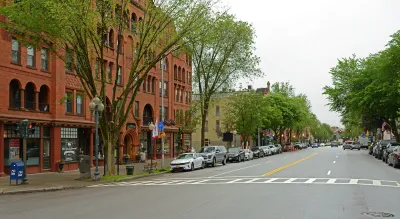
Saratoga Springs cyclists say the city is disregarding its Complete Streets plan as it paves two popular bike routes without adding bike lanes, reports Wendy Liberatore in Times Union. In a letter to the city council, members of Bikeatoga Advocacy said the paving work currently happening on Henry Street has "nothing resembling that kind of sustained, professional project management of our Complete Streets Plan."
The letter added that the failure to incorporate bike infrastructure is "baffling, disheartening and inconsistent with important city goals." The organization is asking the city to create a working group that would assess the alignment of infrastructure projects with the city's Complete Streets goals and create plans for Complete Streets projects.
According to Liberatore, "Commissioner of Public Works BK Keramati said that striping for bike lanes can be laid down after paving and that the paving does not preclude it. However, curb cuts for new crosswalks are not included, Keramati said." The city must include bike lanes, sidewalks, or ADA-compliant upgrades to qualify for $5 million in state funding.
Commissioner of Public Safety Tim Coll said that bike lanes on Henry Avenue need revised plans due to new outdoor dining, and that Union Street bike lanes are controversial and "There is insufficient community input, and we lack updated engineering plans, surveys, and a comprehensive feasibility study to support such a decision."
FULL STORY: Saratoga Springs cyclists say city is ignoring Complete Streets Plan


The 5 Safest Cities for Cyclists in America — and What They Have in Common
Cities with low fatality rates for people on bikes have made strong commitments to building safe, protected bike networks and supporting Complete Streets.
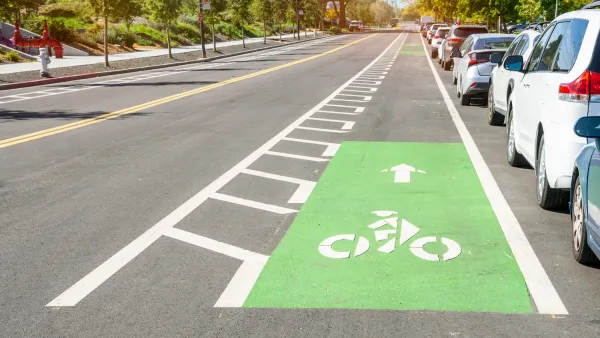
Why Bike Lanes Are Good: An Explainer for the US Transportation Secretary
Sean Duffy says there’s no evidence that bike lanes have benefits. Streetsblog — and federal agencies’ own data — beg to differ.
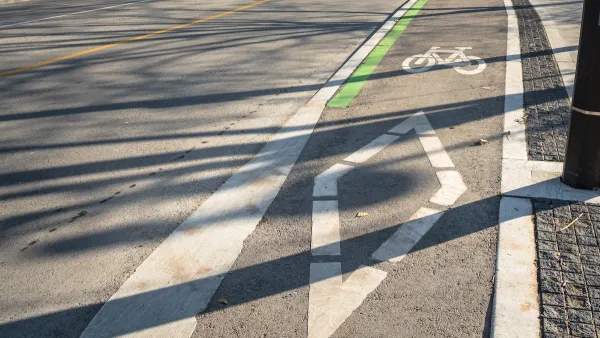
A Troubling Trend of Backlash to Bike Lanes
Some cities are going so far as to rip out protected bike infrastructure that took years of advocacy to build.

The state-sanctioned urbicide of Austin
People don’t kill cities. Freeways do.

US to reduce Colorado River water deliveries to Mexico
A new Colorado Treaty amendment reduces Mexico’s Colorado River water allocation by 250,000 acre feet.

New Jersey’s second-largest city bans standalone data centers
Jersey City will continue to allow co-location facilities, such as those meant for research institutions that store their own data.

Amtrak not solely to blame for New Jersey commuter rail's unreliability, report finds
A new study from the Garden State Initiative found that NJ Transit’s budget grew 20% across a 4 year period, but reliability declined significantly over the same period.

EPA erases limits on planet-warming pollution from power plants
Under Monday’s plan, power plants would still have some limits on how much mercury, arsenic and other contaminants they can emit.

Phoenix announces new on-demand transit service, more frequent RAPID buses
Both new services will launch in October, and are part of Phoenix's Project Effective Access Solutions for Easing Congestion.

FREE Course: Walkable City 1: Why Walkability?
After describing his path towards focusing on walkability as the essence of good planning, Jeff Speck marches through his five principal reasons for making more walkable places.
Reinventing Malls: Planning Alchemy—Turning Gray Fields Into Gold
The course focuses on the opportunities and imperatives that shape reinvention of mall sites.

Eagle County Government
Harvard University Graduate School of Design
Nashville Planning Department
The Architects Foundation
University of Cincinnati Online
The Pocatello Development Authority
The Urban Renewal Agency of the City of Pocatello
Journal of the American Planning Association