The sharp rise in e-mobility injuries points to a need for safer roads, not more punitive laws.


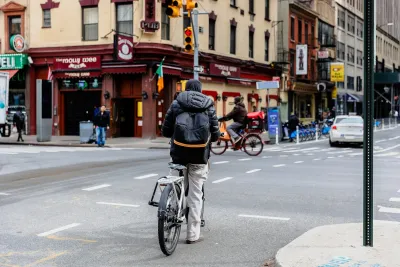
A study of New York City emergency room visits highlights the rise in injuries from e-bikes, scooters and other mobility devices, writes Sophia Leibowitz in Streetsblog NYC — but much of the media coverage around it is taking away the wrong lessons, Leibowitz says.
While some point to the study as proof that we need more restrictive e-bike laws, the study itself notes that "infrastructure redesign — including separated lanes and intersection protections — may offer the most immediate opportunity to reduce neurosurgical trauma burden." According to the study, 94% of cycling fatalities in 2023 happened on roads without protected bike lanes. "I am very much focused on built-environment policy because that has the most impact on this issue. Protected, not just sharrows, getting rid of parking, focusing on intersections and signage and bike lights, all of that, we need more," said Kathryn Burford, a post-doctoral researcher at Columbia University working on a similar study.
The study doesn't absolve rider behavior: "Beyond the need for street redesigns and car-reduction as a society-wide imperative, the study makes it clear that individuals should wear helmets and lay off the booze: 37 percent of riders without helmets had a brain injury, but only 23 percent of helmeted riders had such injuries."
FULL STORY: That Widely Misrepresented E-Mobility Study Actually Reveals Need For Safer Streets, Not Hysteria

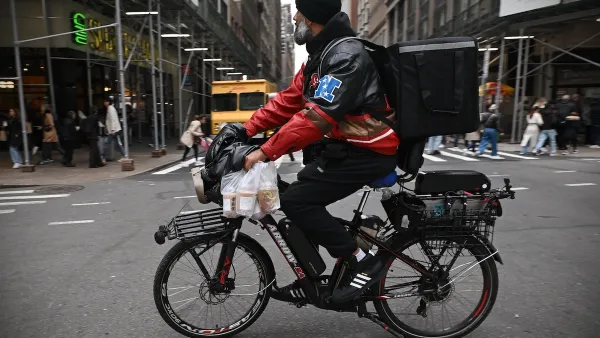
Mamdani on E-bikes: Regulate the Apps, not the Delivery Workers
The NYC mayoral candidate and State Assemblymember says algorithms push workers into unsafe behavior at a systemic level.
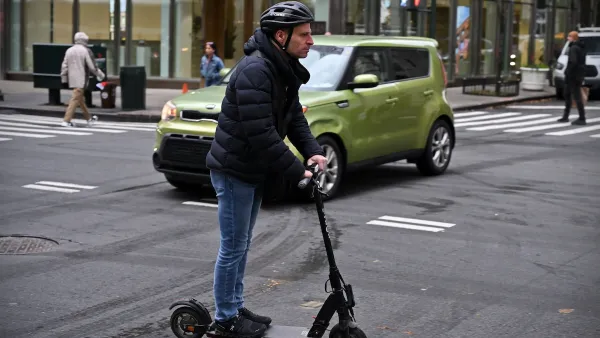
E-Scooter Use is on the Rise — But so are Injuries
With infrastructure and rider education lagging behind the growth of e-scooter systems, American ERs saw an 80 percent rise in e-scooter injuries between 2023 and 2024.
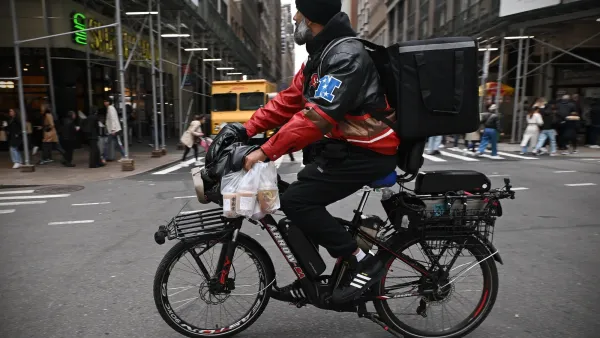
Study: Delivery Workers Are the Safest Cyclists on NYC Roads
A new study shows that delivery workers are more likely to stop at red lights and obey traffic rules than recreational or commuter riders.

The state-sanctioned urbicide of Austin
People don’t kill cities. Freeways do.

US to reduce Colorado River water deliveries to Mexico
A new Colorado Treaty amendment reduces Mexico’s Colorado River water allocation by 250,000 acre feet.

New Jersey’s second-largest city bans standalone data centers
Jersey City will continue to allow co-location facilities, such as those meant for research institutions that store their own data.

Amtrak not solely to blame for New Jersey commuter rail's unreliability, report finds
A new study from the Garden State Initiative found that NJ Transit’s budget grew 20% across a 4 year period, but reliability declined significantly over the same period.

EPA erases limits on planet-warming pollution from power plants
Under Monday’s plan, power plants would still have some limits on how much mercury, arsenic and other contaminants they can emit.

Phoenix announces new on-demand transit service, more frequent RAPID buses
Both new services will launch in October, and are part of Phoenix's Project Effective Access Solutions for Easing Congestion.

FREE Course: Walkable City 1: Why Walkability?
After describing his path towards focusing on walkability as the essence of good planning, Jeff Speck marches through his five principal reasons for making more walkable places.
Reinventing Malls: Planning Alchemy—Turning Gray Fields Into Gold
The course focuses on the opportunities and imperatives that shape reinvention of mall sites.

Eagle County Government
Harvard University Graduate School of Design
Nashville Planning Department
The Architects Foundation
University of Cincinnati Online
The Pocatello Development Authority
The Urban Renewal Agency of the City of Pocatello
Journal of the American Planning Association