Higher tariffs on components built in China will make the cost of U.S. bike production much higher, likely slowing the growth of the industry.


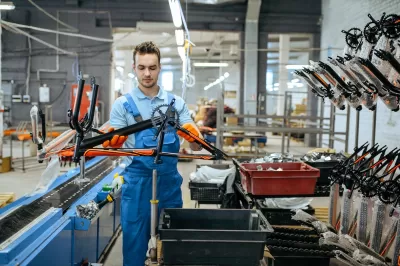
New import tariffs proposed by President-Elect Trump could have a disastrous effect on the bike industry, according to George Kevin Jordan. Writing in Streetsblog USA, Jordan explains that “Currently, about 97 percent of bike parts come from overseas, mostly from Trump’s least-favored nation, China.”
Raising the cost of components will force producers to raise prices likely have a chilling effect and slow the adoption of more sustainable transportation modes, a key step in reducing carbon emissions. “If just half of the car trips under one mile were replaced by bikes or walking, the US could save about $575 million in fuel costs and about 2 million metric tons of CO2 emissions per year, according to the Environmental Protection Agency.”
A bill introduced by Oregon Representative Earl Blumenauer, a staunch supporter of bike infrastructure, would suspend tariffs on bike parts for a decade and incentivize companies to manufacture bikes domestically.
FULL STORY: ‘President Tariff’ is Back — and the Struggling Bike Industry is Nervous


Pilot Project Offers E-Bike Rebates in New York State
The program will start in the Village of Ossining with plans to expand in the greater Hudson River region.
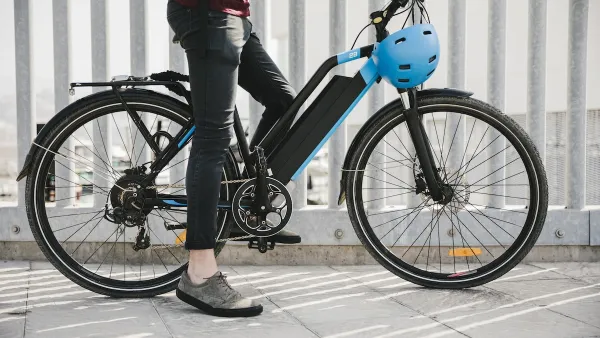
California E-Bike Rebate Program Launches — Again
After a series of fits and starts, CARB says the program will begin accepting applications this month.
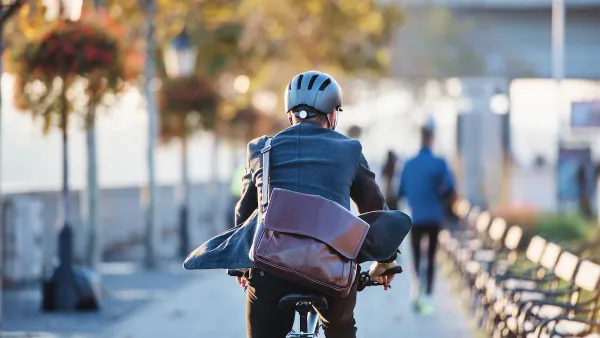
Taking on the Bad E-Bike Takes
How to spot a bad-faith e-bike story.

The state-sanctioned urbicide of Austin
People don’t kill cities. Freeways do.

US to reduce Colorado River water deliveries to Mexico
A new Colorado Treaty amendment reduces Mexico’s Colorado River water allocation by 250,000 acre feet.

New Jersey’s second-largest city bans standalone data centers
Jersey City will continue to allow co-location facilities, such as those meant for research institutions that store their own data.

Amtrak not solely to blame for New Jersey commuter rail's unreliability, report finds
A new study from the Garden State Initiative found that NJ Transit’s budget grew 20% across a 4 year period, but reliability declined significantly over the same period.

EPA erases limits on planet-warming pollution from power plants
Under Monday’s plan, power plants would still have some limits on how much mercury, arsenic and other contaminants they can emit.

Phoenix announces new on-demand transit service, more frequent RAPID buses
Both new services will launch in October, and are part of Phoenix's Project Effective Access Solutions for Easing Congestion.

FREE Course: Walkable City 1: Why Walkability?
After describing his path towards focusing on walkability as the essence of good planning, Jeff Speck marches through his five principal reasons for making more walkable places.
Reinventing Malls: Planning Alchemy—Turning Gray Fields Into Gold
The course focuses on the opportunities and imperatives that shape reinvention of mall sites.

Eagle County Government
Harvard University Graduate School of Design
Nashville Planning Department
The Architects Foundation
University of Cincinnati Online
The Pocatello Development Authority
The Urban Renewal Agency of the City of Pocatello
Journal of the American Planning Association