Despite concerns and closures in the wake of Hurricane Helene, most of the trail appears to have suffered minor damage.


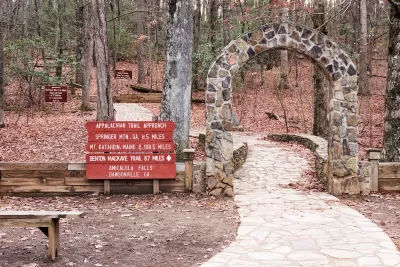
In a piece for Outside Magazine, Grayson Haver Currin seeks to assuage fears that as much as one-third of the Appalachian Trail, a 2,200-mile through-hiking pilgrimage on the East Coast, was destroyed by Hurricane Helene.
Currin notes that “The Appalachian Trail is a point of pride for people there, for people in the midst of losing everything; saying it is destroyed based on no data adds insult to inestimable injury.” And while the Appalachian Trail Conservancy has asked hikers to avoid the southern 865 miles of the trail in the wake of the hurricane, the trail in those areas may be damaged but not destroyed.
Unlike the Pacific Crest Trail and other high-elevation hikes, the Appalachian Trail rarely climbs above the tree line, so downed trees will likely obstruct parts of the trail in some areas. For now, hikers are asked to stay off the trail as local communities address their own immediate needs and conserve resources for those hard-hit by hurricane damage. But with volunteer organizations champing at the bit to help restore trail segments once conditions are safe, local experts are confident the legendary hike will continue to be possible for future travelers.
FULL STORY: Did Hurricane Helene Really Destroy One-Third of the Appalachian Trail?

Get Outdoors: 10,000 Miles of National Park Trails Restored
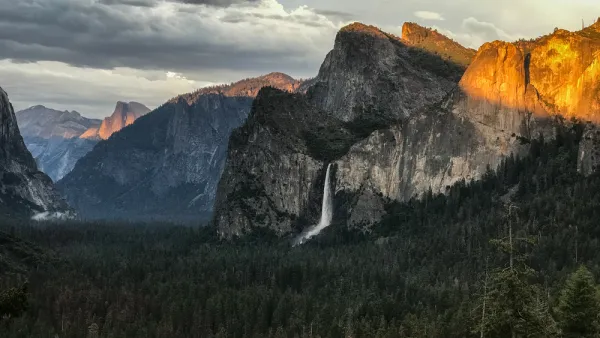
A three-year project to restore access to 10,000 miles of national park trails has been completed through a collaboration between the National Park Foundation and food company Nature Valley.
Meet the Team Working to Create a 1,500-mile Trail Across Texas
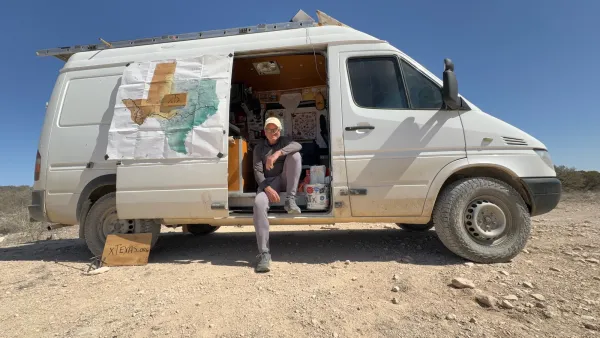
The proposed xTx route would safely allow hikers, bikers, and equestrians to cross the entire state from the Louisiana border to El Paso.

The Importance of Accessible Trails
Not all trails are accessible to those with limited mobility. This article highlights eight trails and nature walks in Southern California that can be enjoyed by just about anyone.

Planetizen Federal Action Tracker
A weekly monitor of how Trump’s orders and actions are impacting planners and planning in America.

The state-sanctioned urbicide of Austin
People don’t kill cities. Freeways do.

US to reduce Colorado River water deliveries to Mexico
A new Colorado Treaty amendment reduces Mexico’s Colorado River water allocation by 250,000 acre feet.

5 New England states march closer to 800 megawatt wind energy project
Securing federal approval for the project may be complicated under the Trump administration, which has historically been hostile towards domestic wind power.

Baltimore to break ground on $50 million Transit Priority Project
The project will bring faster bus trips, safer streets and better bike connections to Baltimore.

Airbnb launches $250 million 'last-dollar financing' housing accelerator, makes first investment in Austin
The company will put $6.4 million towards affordable housing development in Texas’ capital.

FREE Course: Walkable City 1: Why Walkability?
After describing his path towards focusing on walkability as the essence of good planning, Jeff Speck marches through his five principal reasons for making more walkable places.
Reinventing Malls: Planning Alchemy—Turning Gray Fields Into Gold
The course focuses on the opportunities and imperatives that shape reinvention of mall sites.

Eagle County Government
Harvard University Graduate School of Design
Nashville Planning Department
The Architects Foundation
University of Cincinnati Online
The Pocatello Development Authority
The Urban Renewal Agency of the City of Pocatello
Journal of the American Planning Association