The Biden administration has released a proposal that would open tens of millions of acres in 11 Western states to solar development, a move that has clean energy advocates celebrating and environmental groups concerned.


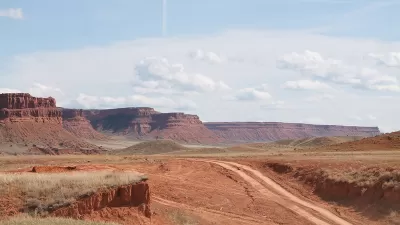
A new proposal from the Bureau of Land Management would open 31 million acres of public lands in 11 Western states to solar development, according to an article in the Daily Caller. The “Western Solar Plan” comes after the Biden administration announced the prohibition of oil and gas activity on 28 million acres of public lands in Alaska, the same article reports. While the Western Solar Plan does not authorize any specific solar projects, its purpose is to “drive responsible solar development to locations with fewer potential conflicts while helping the nation transition to a clean energy economy,” said BLM Director Tracy-Stone Manning.
“The plan is in line with Biden administration priorities such as transitioning the U.S. to a 100% carbon-free electricity grid by 2035, fighting climate change and pursuing ‘environmental justice,” writes Daily Caller contributor Nick Pope. Clean energy advocates are celebrating the move, but conservation groups are less enthusiastic. According to a press release from the Center for Biological Diversity, the 31 million acres in the plan is a 40 percent increase over the agency’s draft plan. While the conservation organization acknowledges that large-scale solar’s is a vital component of a clean energy transition, it expressed disappointment and concern at the amount of sensitive public lands and endangered wildlife habitat put at risk.
The plan is now open for a 30-day protest period for people who participated in the proposal planning process.
Read the full story: Biden Admin Looks To Open Up 31 Million Acres For Solar After Locking Up Oil, Gas In Huge Swath Of Alaska

Colorado oil and gas land lease on public land could imperil nation's largest elk herd
The federal government approved the largest land lease to oil and gas interests in Colorado history.
Nevada and Utah Groups Oppose Public Land Sell-Off Plan
A set of last-minute amendments to the budget reconciliation bill open up over half a million acres of federally managed land to sales.
BLM To Rescind Public Lands Rule
The change will downgrade conservation, once again putting federal land at risk for mining and other extractive uses.

Planetizen Federal Action Tracker
A weekly monitor of how Trump’s orders and actions are impacting planners and planning in America.

California plans to bury El Niño’s downpour
If the state plays its cards right, it may be able to store a billion acre-feet of El Niño’s water in aquifers.

Desperate measures: Advocates weigh draining Lake Powell to fill Colorado River
Draining the reservoir could reduce evaporation losses by a couple hundred thousand acre-feet.

Chicago voters approve permanent festival grounds, penalty for vacant property owners
Currently, major summer and fall festivals take over public parks for weeks at a time, drawing criticism from nearby residents

NYC votes to cut outdoor dining red tape, speed up permitting
New York City also voted to allow the Department of Transportation to begin work on urgent projects before notifying elected officials.

California appears to reject Prop. 45
The proposition would have expanded the projects that qualify for a streamlined environmental review, effectively paring down the California Environmental Quality Act.

FREE Course: Walkable City 1: Why Walkability?
After describing his path towards focusing on walkability as the essence of good planning, Jeff Speck marches through his five principal reasons for making more walkable places.
Reinventing Malls: Planning Alchemy—Turning Gray Fields Into Gold
The course focuses on the opportunities and imperatives that shape reinvention of mall sites.

City of Rosemead
Rutgers University, Edward J. Bloustein School of Planning and Public Policy
One Hundred Miles
Hunter College, City University of New York (CUNY)
The Architects Foundation
University of Cincinnati Online
City of Cambridge
Montrose County
The Pocatello Development Authority