The state is deploying AI-assisted technology to identify dangerous road segments and improve signal timing.


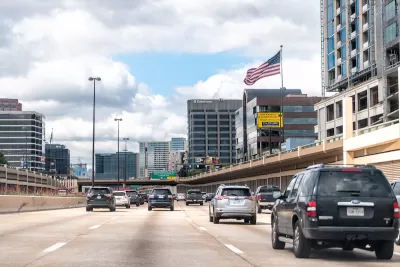
Texas transportation officials are deploying new tech to improve traffic safety and reduce fatalities, reports Chris Teale for Route Fifty.
One tool the state is using is intelligent transportation software that compiles traffic data to improve signal timing and shed light on safety issues. “Together, the data helps traffic engineers see, for example, where drivers are slamming on their brakes or hitting the gas pedal. That, in turn, allows them to determine where safety improvements should be made to reduce the risk of accidents.”
According to Mike Arellano, deputy district director for the Texas Department of Transportation’s Austin District, the technology has led to a 29 percent reduction in ‘secondary’ crashes. “Meanwhile, the data has helped the state open up roadways faster after crashes. Roads are back to normal operations and traffic flow 44 minutes earlier than before.”
This approach requires connected traffic signals, sensors on vehicles, and other infrastructure that is, for now, out of reach for many smaller cities.
FULL STORY: How one state is using technology to curb high pedestrian fatality rates

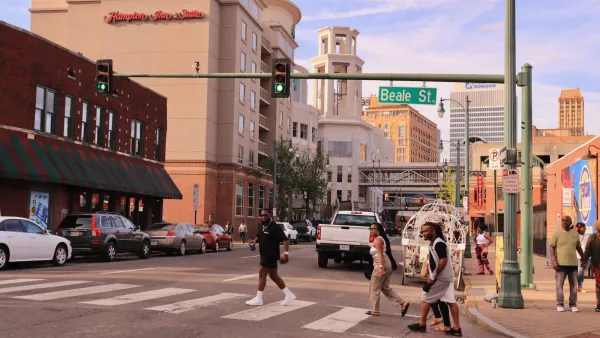
Memphis is the nation's most dangerous city for pedestrians
Memphis had the highest rate of traffic deaths for people walking in the US for two years in a row.
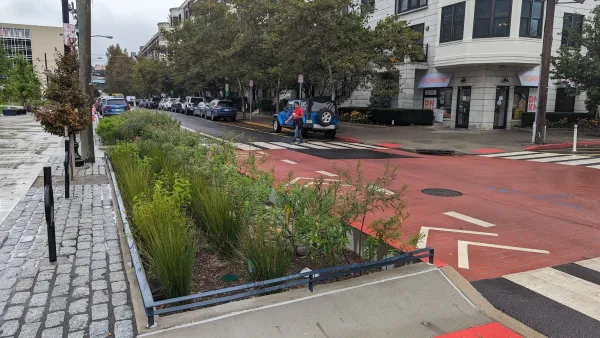
Hoboken's $20 Vision Zero fix
The New Jersey city eliminated traffic deaths for the last nine years in a row.
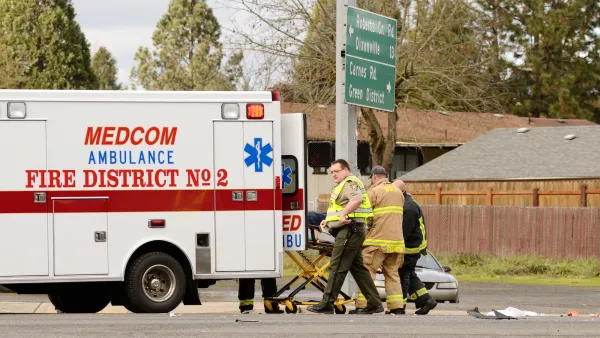
'Dangerous by Design' 2026 report highlights 72% increase in pedestrian deaths since 2009
Although US traffic deaths dropped in the last two years, the number of people killed on US roads remains much higher than two decades ago.

Planetizen Federal Action Tracker
A weekly monitor of how Trump’s orders and actions are impacting planners and planning in America.

The state-sanctioned urbicide of Austin
People don’t kill cities. Freeways do.

US to reduce Colorado River water deliveries to Mexico
A new Colorado Treaty amendment reduces Mexico’s Colorado River water allocation by 250,000 acre feet.

5 New England states march closer to 800 megawatt wind energy project
Securing federal approval for the project may be complicated under the Trump administration, which has historically been hostile towards domestic wind power.

Baltimore to break ground on $50 million Transit Priority Project
The project will bring faster bus trips, safer streets and better bike connections to Baltimore.

Airbnb launches $250 million 'last-dollar financing' housing accelerator, makes first investment in Austin
The company will put $6.4 million towards affordable housing development in Texas’ capital.

FREE Course: Walkable City 1: Why Walkability?
After describing his path towards focusing on walkability as the essence of good planning, Jeff Speck marches through his five principal reasons for making more walkable places.
Reinventing Malls: Planning Alchemy—Turning Gray Fields Into Gold
The course focuses on the opportunities and imperatives that shape reinvention of mall sites.

Eagle County Government
Harvard University Graduate School of Design
Nashville Planning Department
The Architects Foundation
University of Cincinnati Online
The Pocatello Development Authority
The Urban Renewal Agency of the City of Pocatello
Journal of the American Planning Association