Four states now have laws in place that prevent cities and counties from creating or continuing guaranteed income programs, and several more have tried or are trying.



“After years of momentum behind guaranteed income programs that disburse no-strings-attached cash, the backlash has arrived in force,” writes Sarah Holder in an article for Bloomberg.
More than 100 pilots have been launched in cities and counties across the United States since 2018. But this legislative session, lawmakers in South Dakota, Idaho, and Iowa passed legislation barring state and local governments from making guaranteed income payments. At least another seven other states have tried or are trying: Arkansas successfully banned localities from creating universal basic incomes in 2023; Arizona, Wisconsin, and Mississippi tried to pass similar legislation this year but failed; West Virginia has introduced a bill this year that has not yet come up for vote. Texas Attorney General Ken Paxon has also sued Harris County, which includes Houson, over its just-launched pilot, Holder reports.
Guaranteed income programs “distribute money at regular intervals to specific populations in need, like low-income residents, or new mothers or homeless youth. Unlike other social safety net programs, they don’t typically ask recipients to meet any conditions in exchange for the money or use it in particular ways. They are also said to be more efficient than other government programs saddled with red tape and administrative burdens,” writes Holder. Universal basic income follows the same principles, but all residents within a community, not just select populations, receive a set payment.
Opponents of these programs say they will deter people from working and say they are merely efforts to expand welfare. However, Holder reports increased full-time employment rates among participants in a guaranteed income program in Stockton, California, as well as reported improvements in participants’ physical and mental health in other pilots. Programs across the country, including a recent pilot in Austin, Texas, are also reporting increased housing stability among low-income recipients, who spent the majority of their payments on housing and other essentials like food.
FULL STORY: States Push Back Against Guaranteed Income With New Bans

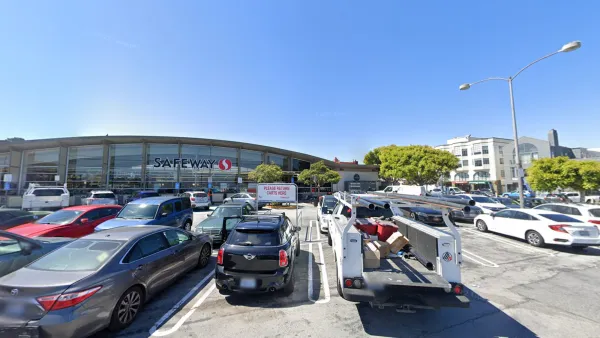
Debate over proposed 800-unit tower in San Francisco reveals generational divide in the housing crisis
Residents of the Marina District are up in arms over a proposed housing development above a Safeway store.

Beverly Hills 'reluctantly' approves 8-story Builder's Remedy project
The 55-unit tower was approved under a state law that allows by-right permitting in cities without an approved housing element.

California sues 5 cities over housing goals
Costa Mesa, Half Moon Bay and Ridgecrest are among the cities that the state is taking action against for failing to plan for adequate housing needs.

The state-sanctioned urbicide of Austin
People don’t kill cities. Freeways do.

US to reduce Colorado River water deliveries to Mexico
A new Colorado Treaty amendment reduces Mexico’s Colorado River water allocation by 250,000 acre feet.

New Jersey’s second-largest city bans standalone data centers
Jersey City will continue to allow co-location facilities, such as those meant for research institutions that store their own data.

Amtrak not solely to blame for New Jersey commuter rail's unreliability, report finds
A new study from the Garden State Initiative found that NJ Transit’s budget grew 20% across a 4 year period, but reliability declined significantly over the same period.

EPA erases limits on planet-warming pollution from power plants
Under Monday’s plan, power plants would still have some limits on how much mercury, arsenic and other contaminants they can emit.

Phoenix announces new on-demand transit service, more frequent RAPID buses
Both new services will launch in October, and are part of Phoenix's Project Effective Access Solutions for Easing Congestion.

FREE Course: Walkable City 1: Why Walkability?
After describing his path towards focusing on walkability as the essence of good planning, Jeff Speck marches through his five principal reasons for making more walkable places.
Reinventing Malls: Planning Alchemy—Turning Gray Fields Into Gold
The course focuses on the opportunities and imperatives that shape reinvention of mall sites.

Eagle County Government
Harvard University Graduate School of Design
Nashville Planning Department
The Architects Foundation
University of Cincinnati Online
The Pocatello Development Authority
The Urban Renewal Agency of the City of Pocatello
Journal of the American Planning Association