Mayor Whitmire reversed his support for a planned road safety project that includes lane reductions, putting $40 million in federal funding in jeopardy.


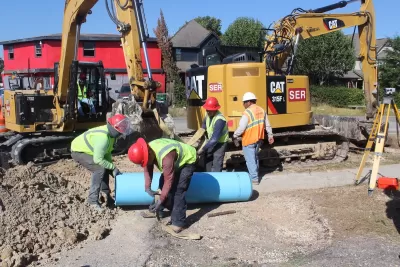
Houston Mayor John Whitmire is threatening to derail a major road redesign project due to his recent opposition to vehicle lane reductions and bike infrastructure, reports Adam Zuvanich for Houston Public Media. “would rehabilitate the aging roadways, provide stormwater drainage improvements, bolster safety by reducing the incidence of fatal crashes and better accommodate pedestrians, cyclists and mass transit users.”
The $100 million Shepherd and Durham Major Investment Project, Zuvanich explains, “would rehabilitate the aging roadways, provide stormwater drainage improvements, bolster safety by reducing the incidence of fatal crashes and better accommodate pedestrians, cyclists and mass transit users,” according to a letter written by Whitmire himself years ago. Now, the mayor says he wants to see major changes to the design of the project that eliminate planned lane reductions.
Other city officials and local business owners question the decision, saying any delays put $40 million in federal funding in jeopardy. Additionally, killing the bike and pedestrian component of the project could have an impact on local businesses and pedestrian-oriented developments that have sprouted up since the project was announced. According to Ann Lents, the board chair for the Memorial Heights Redevelopment Authority, “[Independently completed traffic] reports concluded that the new design is not just appropriate for current traffic but for traffic in the future. The project is designed to encourage and support economic growth and development along the corridor – which we've seen explode since the project was announced.”
FULL STORY: Houston’s new mayor wants changes to Shepherd-Durham redesign, putting part of project at risk

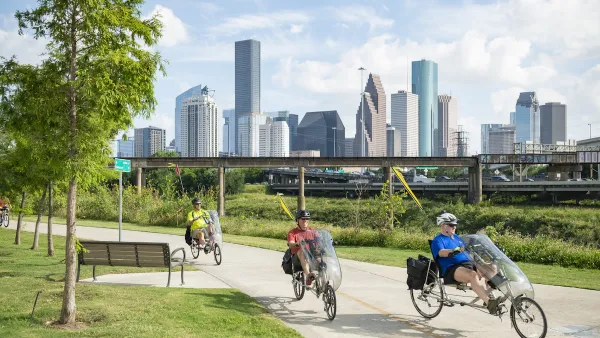
Houston Developers Question Mayor’s Stance on Pedestrian Projects
The new mayor’s reversal of road safety projects, some already underway or completed, is raising eyebrows among developers who say residents want walkable, mixed-use streets.
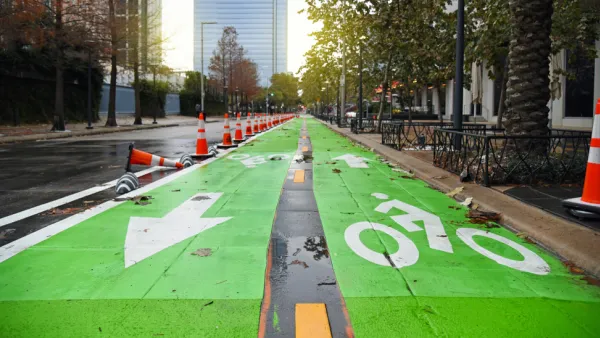
Houston Mayor Pauses Complete Streets Projects
The move raises concerns among road safety advocates who point out that traffic deaths continue to rise.
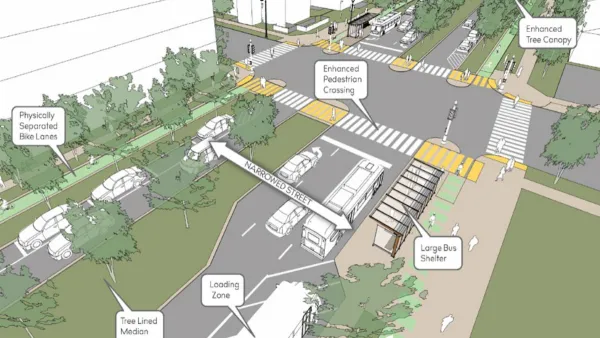
Trump Killed Funding for Milwaukee's Dreamy Multimodal Street. They're Determined to Make it Happen Anyway.
The administration rescinded a $36 million Reconnecting Communities grant aimed at redesigning a 2.6-mile segment of 6th Street.

The state-sanctioned urbicide of Austin
People don’t kill cities. Freeways do.

US to reduce Colorado River water deliveries to Mexico
A new Colorado Treaty amendment reduces Mexico’s Colorado River water allocation by 250,000 acre feet.

New Jersey’s second-largest city bans standalone data centers
Jersey City will continue to allow co-location facilities, such as those meant for research institutions that store their own data.

Amtrak not solely to blame for New Jersey commuter rail's unreliability, report finds
A new study from the Garden State Initiative found that NJ Transit’s budget grew 20% across a 4 year period, but reliability declined significantly over the same period.

EPA erases limits on planet-warming pollution from power plants
Under Monday’s plan, power plants would still have some limits on how much mercury, arsenic and other contaminants they can emit.

Phoenix announces new on-demand transit service, more frequent RAPID buses
Both new services will launch in October, and are part of Phoenix's Project Effective Access Solutions for Easing Congestion.

FREE Course: Walkable City 1: Why Walkability?
After describing his path towards focusing on walkability as the essence of good planning, Jeff Speck marches through his five principal reasons for making more walkable places.
Reinventing Malls: Planning Alchemy—Turning Gray Fields Into Gold
The course focuses on the opportunities and imperatives that shape reinvention of mall sites.


Eagle County Government
Harvard University Graduate School of Design
Nashville Planning Department
The Architects Foundation
University of Cincinnati Online
The Pocatello Development Authority
The Urban Renewal Agency of the City of Pocatello
Journal of the American Planning Association