The state’s transportation department is reaching completion on its segment of a major north-south corridor that will eventually reach from Michigan to Texas.


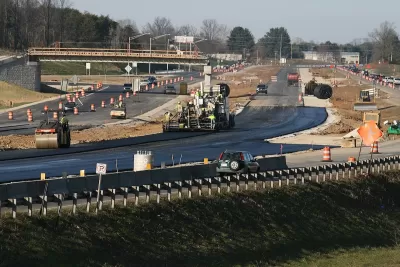
The newest interstate freeway in the United States is reaching completion in Indiana, writes Jared Brey in Governing. “The interstate was built on the path of some existing roads and involved building wider lanes on some state routes and eliminating crossings with other roads.”
The segment of Interstate 69 is part of a planned Canada-to-Mexico corridor that will run from the Canadian border in Michigan to the Mexican border in south Texas. “The Indiana Department of Transportation (INDOT) is now putting the finishing touches on the state’s sections of I-69, expecting to complete the long-planned road by the end of the year.”
The national highway system leaves the construction and maintenance of highways up to states, which often come up against opposition to highway projects from local governments when new roadways threaten to displace and isolate adjacent communities. In the case of Indiana, some local leaders see the project as a boon to economic development and commuters in the region. “Indiana officials argue the completion of the highway in Indiana lifts the fortunes of the cities along its route, and cements the state’s identity as the ‘Crossroads of America.’”
Read the full story: America’s Newest Interstate Nears Completion in Indiana
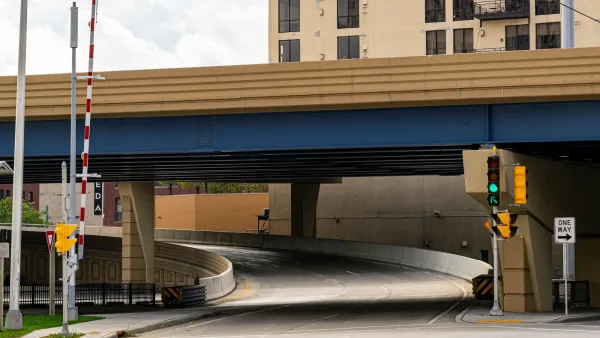
Milwaukee mayor abandons highway removal plan
Mayor Johnson spoke in opposition to a proposed plan to turn part of I-794 into an at-grade boulevard, expressing concerns about traffic.
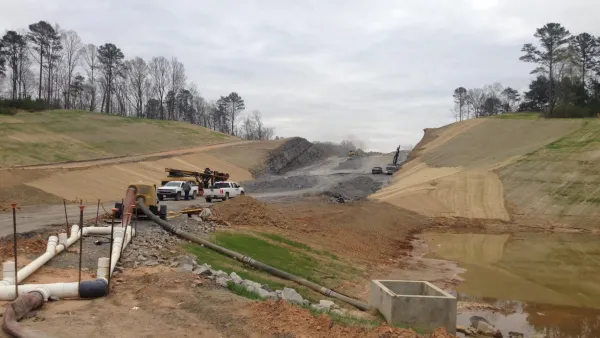
Alabama DOT wants to fill wetlands for interstate project
The Birmingham Northern Beltline would run roughly 52 miles through forests and wetlands that are home to multiple endangered species.
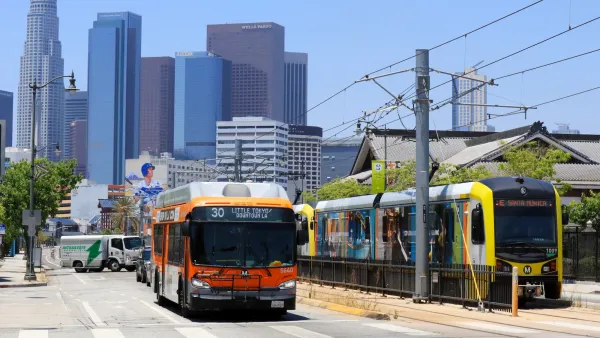
LA Metro Increases Highway Expansion Budget by 40%
Metro has plans to expand freeways including the 5, 105, and 405, among others.

Planetizen Federal Action Tracker
A weekly monitor of how Trump’s orders and actions are impacting planners and planning in America.

California plans to bury El Niño’s downpour
If the state plays its cards right, it may be able to store a billion acre-feet of El Niño’s water in aquifers.

Desperate measures: Advocates weigh draining Lake Powell to fill Colorado River
Draining the reservoir could reduce evaporation losses by a couple hundred thousand acre-feet.

Los Angeles just elected an urban planner as its mayor
Transportation analysts are optimistic that Raman will be more aggressive in addressing transit issues than Bass.

Mamdani’s pied-à-terre tax survives legal challenge
A panel of judges found that the plaintiffs failed to demonstrate injury as a result of New York City's implementation of the tax.

Eastern Nebraska is running out of electricity
Data centers and electrification are straining eastern Nebraska’s grid, throttling economic development.

FREE Course: Walkable City 1: Why Walkability?
After describing his path towards focusing on walkability as the essence of good planning, Jeff Speck marches through his five principal reasons for making more walkable places.
Reinventing Malls: Planning Alchemy—Turning Gray Fields Into Gold
The course focuses on the opportunities and imperatives that shape reinvention of mall sites.


City of Rosemead
Rutgers University, Edward J. Bloustein School of Planning and Public Policy
One Hundred Miles
University of Michigan School for Environment and Sustainability (SEAS)
Hunter College, City University of New York (CUNY)
The Architects Foundation
City of Cambridge
Montrose County
The Pocatello Development Authority