The bill, passed by the state legislature, faced opposition from safety advocates and labor groups concerned about the loss of freight jobs.



Kentucky Governor Andy Beshear vetoed a bill that would have permitted autonomous cars on the state’s roads, reports Austin Horn in Governing.
The bill narrowly passed out of the state legislature, Horn notes. “Beshear criticized the bill as moving too quickly toward autonomous vehicles getting on the road without human supervision. He said, specifically, that there should be a testing period for such cars before they’re allowed to drive in Kentucky.”
The legalization of autonomous vehicles has been a hot-button issue for many states, where startups are eager to get on the road and eliminate the need for human drivers — and jobs. In Kentucky, “The bill received significant pushback from such union groups as Teamsters Local 89 in Louisville.”
The legislature could override the governor’s veto with a majority vote from both chambers.
Read the full story: Gov. Andy Beshear Vetoes Self-Driving Vehicles Bill
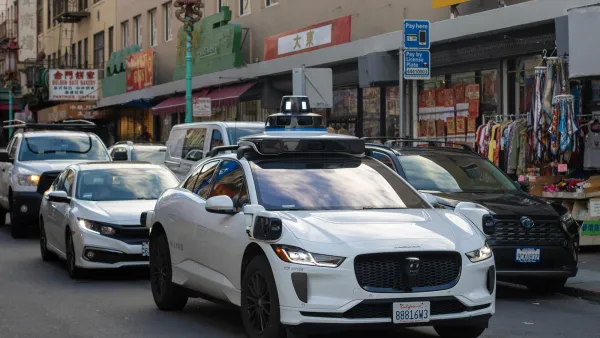
New Jersey bill would require AVs to use 3 sensing technologies — banning Tesla's robotaxi fleet
Elon Musk has been 'largely alone' in his conviction that radar and lidar sensors are not necessary for the safe operation of autonomous cars.
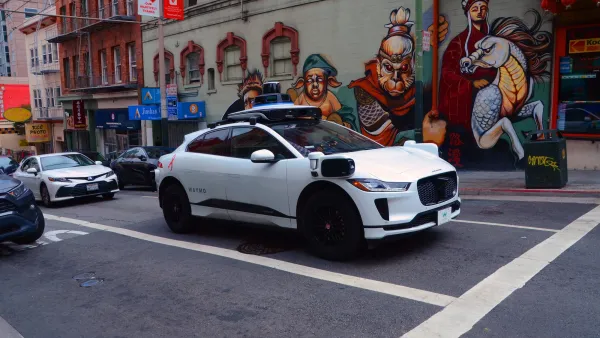
Feds say robotaxis interfering with first responders is a 'functional insufficiency,' demand solutions by August
The NHTSA issued a letter to autonomous carmakers, noting that 'Every second matters when law enforcement officers, firefighters, or paramedics are answering a call.'

Waymo's troubles with emergency vehicles are getting worse
In one case, first responders waited 53 minutes to reach a Waymo support representative during an emergency.

California plans to bury El Niño’s downpour
If the state plays its cards right, it may be able to store a billion acre-feet of El Niño’s water in aquifers.

Desperate measures: Advocates weigh draining Lake Powell to fill Colorado River
Draining the reservoir could reduce evaporation losses by a couple hundred thousand acre-feet.

Eastern Nebraska is running out of electricity
Data centers and electrification are straining eastern Nebraska’s grid, throttling economic development.

After years of opposition to light rail, this L.A. city wants a $200 million station
Cerritos officials want the Southeast Gateway Line, a planned 14.5-mile light rail route through Los Angeles County, to stop in their city.

SpaceXAI may be fined $6 million for data center lacking water permits
A Mississippi agency also responds after a federal judge criticized the state’s Clean Air Act enforcement.

Housing is the top priority of Seattle’s sole new councilmember
Jenks campaigned on building 1,000 new units of affordable housing.

FREE Course: Walkable City 1: Why Walkability?
After describing his path towards focusing on walkability as the essence of good planning, Jeff Speck marches through his five principal reasons for making more walkable places.
Reinventing Malls: Planning Alchemy—Turning Gray Fields Into Gold
The course focuses on the opportunities and imperatives that shape reinvention of mall sites.

City of Rosemead
Rutgers University, Edward J. Bloustein School of Planning and Public Policy
One Hundred Miles
University of Michigan School for Environment and Sustainability (SEAS)
Hunter College, City University of New York (CUNY)
The Architects Foundation
City of Cambridge
Montrose County
The Pocatello Development Authority