The negative effects of poor air quality occur at higher rates in low-income neighborhoods and communities of color, according to new research.


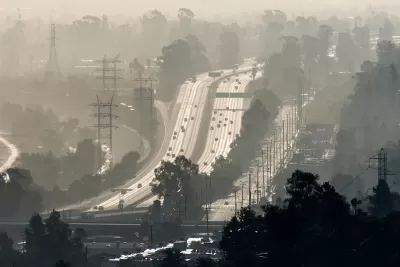
A new study from George Washington University sheds light on the disproportionate impact of air pollution on communities of color. According to one researcher, “Redlining and systemic racism have resulted in the least white areas of the US being located near factories, congested roadways or shipping routes with heavily polluted air.”
The study found that “Racial and ethnic disparities in the health impacts associated with nitrogen dioxide and particulate matter widened during the last decade,” and communities of color experienced 7.5 times higher rates of pediatric asthma than white communities. “The study found the estimated monetary value attributed to mortality risk for premature death due to particulate matter as well as the direct costs of pediatric asthma due to nitrogen dioxide in 2019 amounted to $466 billion or roughly 2.2% of the US gross domestic product.”
FULL STORY: Communities of Color Across the US Suffer A Growing Burden from Polluted Air

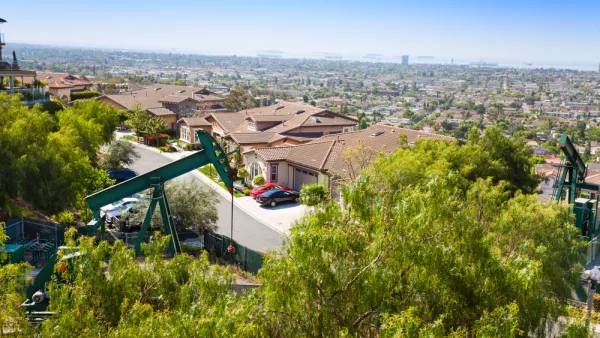
Study: L.A. County's Urban Oil Wells Are Too Close to Homes and Schools
The Department of Public Health recommends taking action to better protect residents from oil operations that are sometimes only a few feet from where people live, work, eat, play and study.
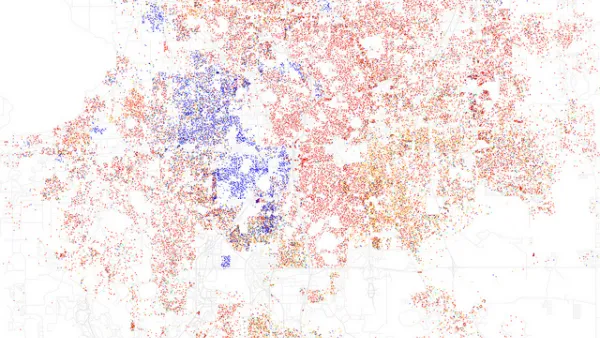
Pollution Does Discriminate in Orlando’s Parramore Neighborhood
Poor air quality has decimated the health of residents in this predominantly black community ringed by highways.
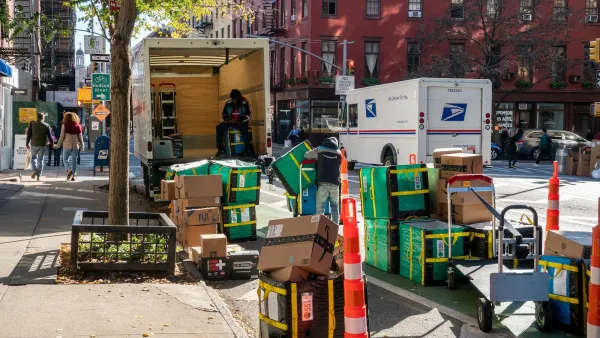
Report: 75% of NYC warehouses are in 'disadvantaged communities'
Low-income New Yorkers are 1.2 times more likely to live within half a mile of a warehouse.

Planetizen Federal Action Tracker
A weekly monitor of how Trump’s orders and actions are impacting planners and planning in America.

The state-sanctioned urbicide of Austin
People don’t kill cities. Freeways do.

US to reduce Colorado River water deliveries to Mexico
A new Colorado Treaty amendment reduces Mexico’s Colorado River water allocation by 250,000 acre feet.

5 New England states march closer to 800 megawatt wind energy project
Securing federal approval for the project may be complicated under the Trump administration, which has historically been hostile towards domestic wind power.

Baltimore to break ground on $50 million Transit Priority Project
The project will bring faster bus trips, safer streets and better bike connections to Baltimore.

Airbnb launches $250 million 'last-dollar financing' housing accelerator, makes first investment in Austin
The company will put $6.4 million towards affordable housing development in Texas’ capital.

FREE Course: Walkable City 1: Why Walkability?
After describing his path towards focusing on walkability as the essence of good planning, Jeff Speck marches through his five principal reasons for making more walkable places.
Reinventing Malls: Planning Alchemy—Turning Gray Fields Into Gold
The course focuses on the opportunities and imperatives that shape reinvention of mall sites.

Eagle County Government
Harvard University Graduate School of Design
Nashville Planning Department
The Architects Foundation
University of Cincinnati Online
The Pocatello Development Authority
The Urban Renewal Agency of the City of Pocatello
Journal of the American Planning Association