As the Richmond area grows, having a greater availability of affordable housing could be crucial to maintaining a strong local workforce.


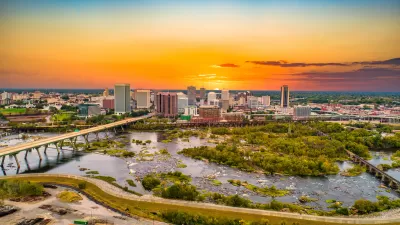
In a commentary in the Richmond Times-Dispatch, Jovan Burton and Woody Rogers make a connection between affordable housing and economic development, arguing that the greater Richmond region would attract more businesses and economic activity if affordable housing was more readily available.
According to the American Planning Association, every dollar invested in affordable housing creates $2.30 in economic activity. However, the lack of housing supply in Virginia is driving up prices to levels that limit companies in attracting and retaining talented professionals seeking a place to comfortably live.
The authors note that “investing in housing creates enduring benefits for communities and has demonstrated to boost local workforces. It has been estimated that one affordable housing unit produces an average of three jobs and $60,000 in local income.” As the Commonwealth passes bills aimed at promoting economic development, the authors assert that affordable housing should be at the forefront of these efforts.
Read the full story: Commentary: Want to grow the regional economy? Invest in affordable housing
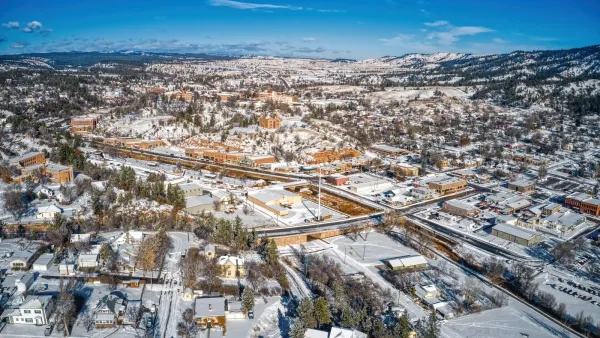
A South Dakota hospital is funding a new subdivision for its employees
Some employees see investing in housing as the only way to stem the loss of workers moving away due to high housing costs.
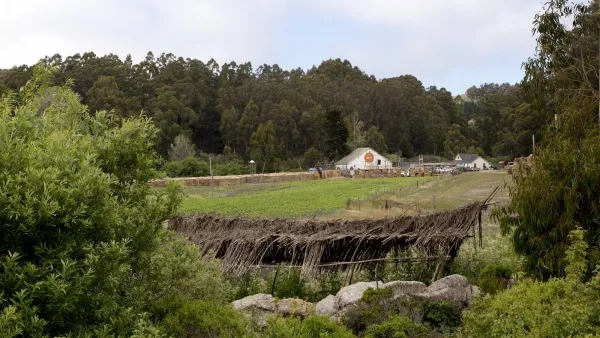
California 'strongly encourages' coastal city to fast-track farmworker housing
The state wants Half Moon Bay to approve a farmworker housing project initially proposed in 2022.
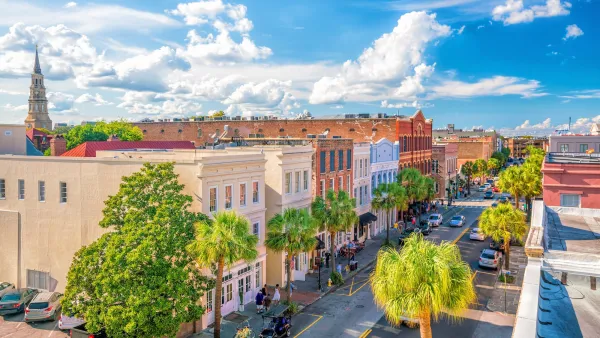
Charleston Creates ‘Workforce Housing District’ With Permanent Affordability
The city has a goal of adding 3,500 new housing units by 2032.

Planetizen Federal Action Tracker
A weekly monitor of how Trump’s orders and actions are impacting planners and planning in America.

California plans to bury El Niño’s downpour
If the state plays its cards right, it may be able to store a billion acre-feet of El Niño’s water in aquifers.

Desperate measures: Advocates weigh draining Lake Powell to fill Colorado River
Draining the reservoir could reduce evaporation losses by a couple hundred thousand acre-feet.

Mamdani’s pied-à-terre tax survives legal challenge
A panel of judges found that the plaintiffs failed to demonstrate injury as a result of New York City's implementation of the tax.

Eastern Nebraska is running out of electricity
Data centers and electrification are straining eastern Nebraska’s grid, throttling economic development.

Seattle passes record-breaking transit services expansion
Proposition 1 will double the city’s transit tax to add 95,000 more bus trips and preserve 180,000 bus trips annually.

FREE Course: Walkable City 1: Why Walkability?
After describing his path towards focusing on walkability as the essence of good planning, Jeff Speck marches through his five principal reasons for making more walkable places.
Reinventing Malls: Planning Alchemy—Turning Gray Fields Into Gold
The course focuses on the opportunities and imperatives that shape reinvention of mall sites.

City of Rosemead
Rutgers University, Edward J. Bloustein School of Planning and Public Policy
One Hundred Miles
University of Michigan School for Environment and Sustainability (SEAS)
Hunter College, City University of New York (CUNY)
The Architects Foundation
City of Cambridge
Montrose County
The Pocatello Development Authority