The project aims to bring zoning data from around the country into one database, making it easier for planners and researchers to compare policies and their impacts.


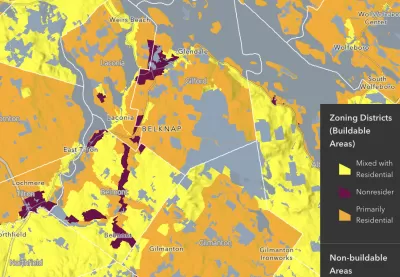
An article in PD&R Edge highlights progress on the National Zoning Atlas, an effort to consolidate nationwide zoning data into one GIS database to let researchers analyze and compare zoning policies and their effects. “The purpose of the atlas is to offer insight into zoning’s effects and democratize land use decisionmaking through comprehensive, digitized, and user-friendly zoning information.”
The creators of the Zoning Atlas say “the decentralization of zoning laws has hindered the identification of problems arising from land use regulations.” The effort is already underway in 21 states, and almost complete in New Hampshire.
“An ongoing challenge that the atlas can help address is the obfuscating effects of complex and competing land use interests to reform.” As the article explains, “Aggregating this information makes the scale of statewide challenges more readily apparent and could bring stakeholders on board to address the collective action problems that intricate zoning systems pose.”
Read the full story: Creating the National Zoning Atlas


National Zoning Atlas Expands
The online tool can help city and state officials understand where zoning codes need reform and how they compare to other localities.
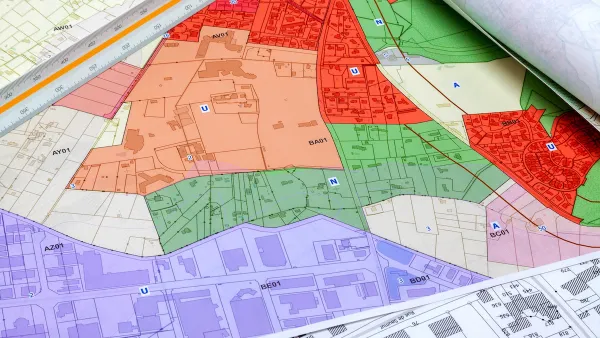
How a National Zoning Atlas Can Clarify a Legal Patchwork
A massive effort is underway to compile local zoning regulations and other laws that impact how and where housing is built.

San Diego wants to limit upzoning law to just 16% of transit-adjacent parcels
The city's planning director says some areas are unfit for immediate upzoning due to a lack of resources or hazards such as wildfire risk.

Planetizen Federal Action Tracker
A weekly monitor of how Trump’s orders and actions are impacting planners and planning in America.

California plans to bury El Niño’s downpour
If the state plays its cards right, it may be able to store a billion acre-feet of El Niño’s water in aquifers.

Chicago breaks ground on $3 billion megadevelopment
The new neighborhood, titled Foundry Park, will one day host 3,700 residences.

Satanic Place Names
From streams and lakes to valleys and canyons, I mapped more than 1,000 places named after the Devil.

California High-Speed Rail Authority CEO resigns after $600,000 scandal
Under Ian Choudri, the authority used taxpayer dollars to fund first class flights and trips to nightclubs.

Want to study the Missouri River? Soon, you may need unanimous approval from 10 states
Legislation would require 10 governors’ permission to study or build projects moving water outside the basin.

FREE Course: Walkable City 1: Why Walkability?
After describing his path towards focusing on walkability as the essence of good planning, Jeff Speck marches through his five principal reasons for making more walkable places.
Reinventing Malls: Planning Alchemy—Turning Gray Fields Into Gold
The course focuses on the opportunities and imperatives that shape reinvention of mall sites.

City of Rosemead
Rutgers University, Edward J. Bloustein School of Planning and Public Policy
One Hundred Miles
Hunter College, City University of New York (CUNY)
The Architects Foundation
University of Cincinnati Online
City of Cambridge
Montrose County
The Pocatello Development Authority