A massive effort is underway to compile local zoning regulations and other laws that impact how and where housing is built.


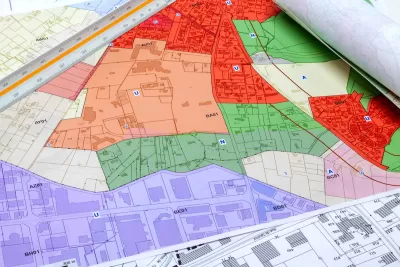
Historically left to local jurisdictions, zoning laws are now being assessed at the state and even national level as the housing crisis reaches all corners of the country. Could a ‘national zoning atlas’ spur change?
Kriston Capps describes the project in an article for Bloomberg CityLab, writing that “when complete, [the project] will offer users a neighborhood-level view of the zoning codes set by some 30,000 different local governments.” Teams in at least 25 states are working to compile this data, inspired by a Connecticut project. “[B]y pairing zoning maps with census data and other sources, researchers can shine a light on specific problems or places — and in at least a couple states so far, mapping out zoning codes has led to real change.”
The atlas could become an important tool because “Most local governments don’t fully understand their own zoning rules, which can be byzantine documents with fragmented, antiquated or contradictory rules accreted over decades.”
FULL STORY: Can a National Zoning Atlas Chart a Way Out of the US Housing Crisis?


California Housing Advocates Closely Watching Bay Area Rezoning Deadline
California’s reaction to cities that fail to submit compliant zoning plans could reverberate across the state as other regions near their deadlines.

The Rise of Zoning Reform
As the housing affordability crisis spread from mainly coastal cities to the rest of the nation, cities and states are taking a serious look at outdated zoning codes that hamper efforts to build more housing.
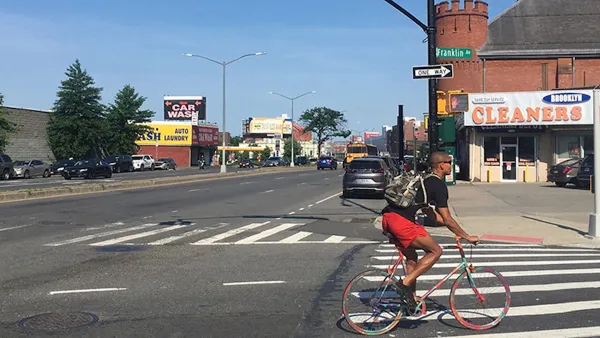
NYC Rezoning Plans Could Create Thousands of New Housing Units
Zoning changes in Brooklyn, the Bronx, and Midtown Manhattan would allow residential construction in areas previously zoned for light manufacturing.

Planetizen Federal Action Tracker
A weekly monitor of how Trump’s orders and actions are impacting planners and planning in America.

The state-sanctioned urbicide of Austin
People don’t kill cities. Freeways do.

US to reduce Colorado River water deliveries to Mexico
A new Colorado Treaty amendment reduces Mexico’s Colorado River water allocation by 250,000 acre feet.

5 New England states march closer to 800 megawatt wind energy project
Securing federal approval for the project may be complicated under the Trump administration, which has historically been hostile towards domestic wind power.

Baltimore to break ground on $50 million Transit Priority Project
The project will bring faster bus trips, safer streets and better bike connections to Baltimore.

Airbnb launches $250 million 'last-dollar financing' housing accelerator, makes first investment in Austin
The company will put $6.4 million towards affordable housing development in Texas’ capital.

FREE Course: Walkable City 1: Why Walkability?
After describing his path towards focusing on walkability as the essence of good planning, Jeff Speck marches through his five principal reasons for making more walkable places.
Reinventing Malls: Planning Alchemy—Turning Gray Fields Into Gold
The course focuses on the opportunities and imperatives that shape reinvention of mall sites.

Eagle County Government
Harvard University Graduate School of Design
Nashville Planning Department
The Architects Foundation
University of Cincinnati Online
The Pocatello Development Authority
The Urban Renewal Agency of the City of Pocatello
Journal of the American Planning Association