L.A. County Public Works has launched an initiative to center equity in all of its processes, programming, and services as it plans, designs, builds, and maintains modern infrastructure that uplifts all communities of the county.


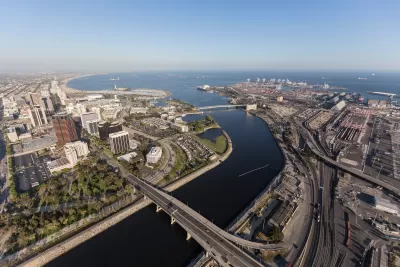
The Los Angeles County Department of Public Works has created the Equity in Infrastructure Initiative to identify and address disparities across the county in the planning, delivery, and distribution of its investments and services. Guided by policy review, investment analysis, and community engagement, Public Works is leading the charge to address the needs of communities with historical disadvantage, to better plan, deliver, and distribute services.
Working in close alignment with the equity-driven polices of the L.A. County Board of Supervisors, Public Works is leading the charge for infrastructure investments that benefit historically underserved communities and deliver jobs, new projects, and improved life outcomes to the region. Public Works’ focus on equity will drive infrastructure funding and improve services to communities with historical disadvantage, ensuring positive outcomes for all County residents and future generations. This Initiative will help Public Works decide more equitably what gets prioritized, built, and better maintained, boosting the benefits for those communities that have experienced underinvestment in the past.
Public Works wants to hear from residents about ways to improve important services, such as but not limited to: road repairs, flood control, water quality, bike lanes, and waste removal. Public input will be used to help inform recommendations to improve all LA County communities and contribute to the broader Countywide Anti-Racism, Diversity and Inclusion initiative (ARDI). All residents are invited to share their thoughts via an online survey to ensure a more just and equitable future for all of LA County.

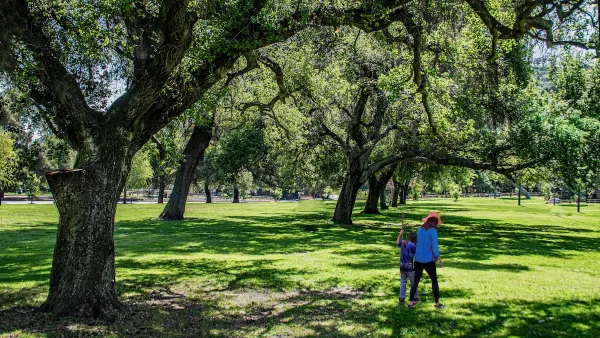
Branching Out: Building Health and Equity Through Community Forestry
Los Angeles County’s Community Forest Management Plan seeks to create a healthier, more equitable community forest by expanding tree coverage, engaging communities, and building resilience to climate impacts.
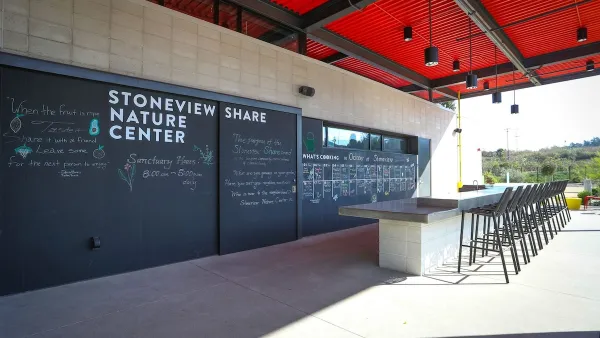
How LA County Parks are Fostering Equity
Los Angeles County's Department of Parks and Recreation actively engages the public through diverse methods to ensure parks and recreation programming align with community needs and priorities.
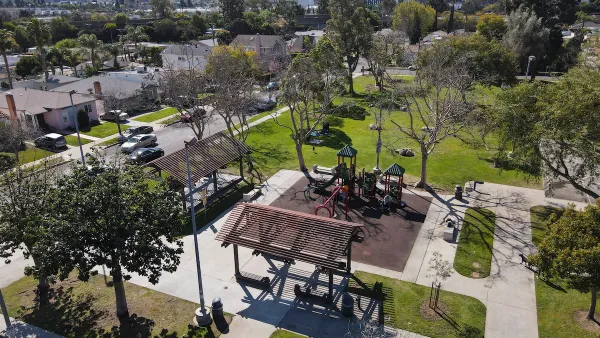
LA County Releases Funding for Parkland Acquisition in Underserved Communities
Los Angeles County has released $14.5 million in Measure A grant funds to support parkland acquisition in high-need areas, aiming to create additional green spaces and advance environmental justice and equity.

The state-sanctioned urbicide of Austin
People don’t kill cities. Freeways do.

US to reduce Colorado River water deliveries to Mexico
A new Colorado Treaty amendment reduces Mexico’s Colorado River water allocation by 250,000 acre feet.

New Jersey’s second-largest city bans standalone data centers
Jersey City will continue to allow co-location facilities, such as those meant for research institutions that store their own data.

Amtrak not solely to blame for New Jersey commuter rail's unreliability, report finds
A new study from the Garden State Initiative found that NJ Transit’s budget grew 20% across a 4 year period, but reliability declined significantly over the same period.

EPA erases limits on planet-warming pollution from power plants
Under Monday’s plan, power plants would still have some limits on how much mercury, arsenic and other contaminants they can emit.

Phoenix announces new on-demand transit service, more frequent RAPID buses
Both new services will launch in October, and are part of Phoenix's Project Effective Access Solutions for Easing Congestion.

FREE Course: Walkable City 1: Why Walkability?
After describing his path towards focusing on walkability as the essence of good planning, Jeff Speck marches through his five principal reasons for making more walkable places.
Reinventing Malls: Planning Alchemy—Turning Gray Fields Into Gold
The course focuses on the opportunities and imperatives that shape reinvention of mall sites.

Eagle County Government
Harvard University Graduate School of Design
Nashville Planning Department
The Architects Foundation
University of Cincinnati Online
The Pocatello Development Authority
The Urban Renewal Agency of the City of Pocatello
Journal of the American Planning Association