The mayor issued a 12-point plan for improving safety, developing services for people struggling with addiction, and revitalizing downtown spaces.


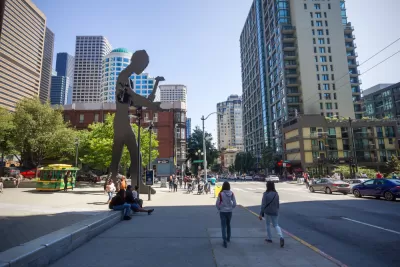
Seattle Mayor Bruce Harrell unveiled a plan aimed at revitalizing the city’s downtown, stemming the drug crisis, and supporting small businesses.
According to an article by Donna Gordon Blankinship in Crosscut, Harrell “issued an executive order calling on police to play a more active role in disrupting drug sales, along with a plan to increase city spending on overdose prevention and response” and announced plans to “establish a new place for people to recover from non-fatal overdoses, get help with their addiction and access other resources.”
The mayor also wants to support activating downtown spaces with festivals and events and reopen City Hall Park with social programming. “Other plans include waiving street-use permit fees for food trucks and pop-up food vendors, and asking the Washington State Liquor and Cannabis Board to issue ‘sip ’n’ stroll’ permits for First Thursday Art Walks so people can carry beverages as they walk among galleries.”
Read the full story: Seattle's Mayor Harrell announces plan to 'revitalize' Downtown

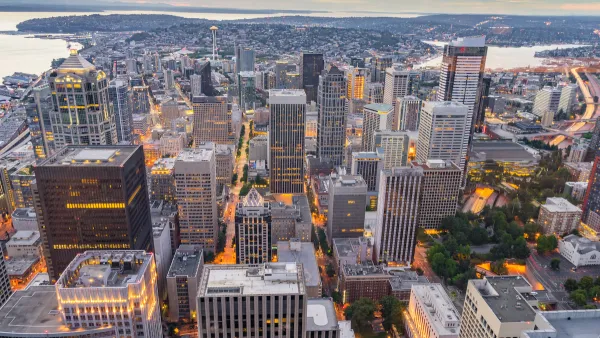
Seattle Downtown Plan Expands Permitted Uses
The Downtown Activation Plan shifts from Euclidean to form-based zoning to encourage more commercial development.

Sioux Falls Downtown Plan Targets Mobility, Safety, Community
The South Dakota city is taking public input on its proposal for improving transportation, job opportunities, and culture downtown.
Pittsburgh downtown tax diversion plan draws criticism for lack of transparency
A proposed new development tax faces opposition from transit advocates.

Planetizen Federal Action Tracker
A weekly monitor of how Trump’s orders and actions are impacting planners and planning in America.

California plans to bury El Niño’s downpour
If the state plays its cards right, it may be able to store a billion acre-feet of El Niño’s water in aquifers.

Chicago breaks ground on $3 billion megadevelopment
The new neighborhood, titled Foundry Park, will one day host 3,700 residences.

Satanic place names
From streams and lakes to valleys and canyons, I mapped more than 1,000 places named after the Devil.

California High-Speed Rail Authority CEO resigns after $600,000 scandal
Under Ian Choudri, the authority used taxpayer dollars to fund first class flights and trips to nightclubs.

Want to study the Missouri River? Soon, you may need unanimous approval from 10 states
Legislation would require 10 governors’ permission to study or build projects moving water outside the basin.

FREE Course: Walkable City 1: Why Walkability?
After describing his path towards focusing on walkability as the essence of good planning, Jeff Speck marches through his five principal reasons for making more walkable places.
Reinventing Malls: Planning Alchemy—Turning Gray Fields Into Gold
The course focuses on the opportunities and imperatives that shape reinvention of mall sites.

City of Rosemead
Rutgers University, Edward J. Bloustein School of Planning and Public Policy
One Hundred Miles
Hunter College, City University of New York (CUNY)
The Architects Foundation
University of Cincinnati Online
City of Cambridge
Montrose County
The Pocatello Development Authority