A seven-block stretch downtown will remain closed to cars after the success of a pandemic-era outdoor dining program.


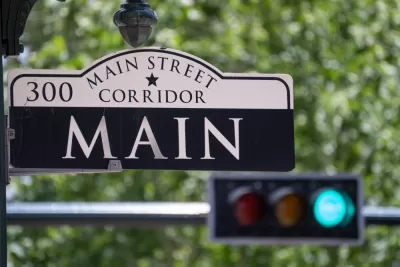
During the COVID-19 pandemic, Houston closed a portion of its Main Street to cars in an effort to make room for outdoor dining and support local restaurants and businesses. Last week, the city council unanimously voted to keep the street permanently closed to vehicles, reports Michael Murney in the Houston Chronicle.
According to Chief Transportation Planner David Fields, “We surveyed the businesses. All of them said this was exactly what they wanted.” Fields said the program let local businesses add a total of 154 seats on outdoor patios.
The city wants to replicate the program in other parts of the city where local businesses express interest.
Read the full story: Houston is closing a stretch of downtown's Main Street for good

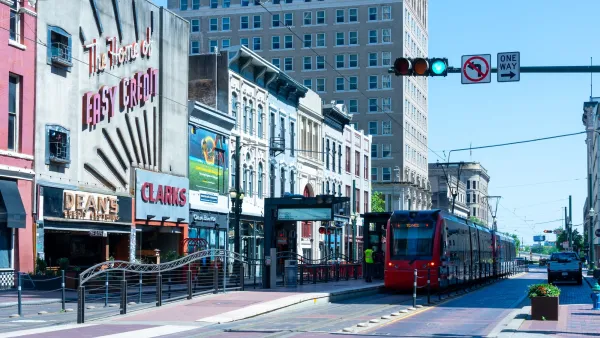
Houston's pedestrian promenade on track to be ready for World Cup crowds
The city is transforming seven downtown blocks along a light rail line into a car-free zone focused on outdoor dining and entertainment.
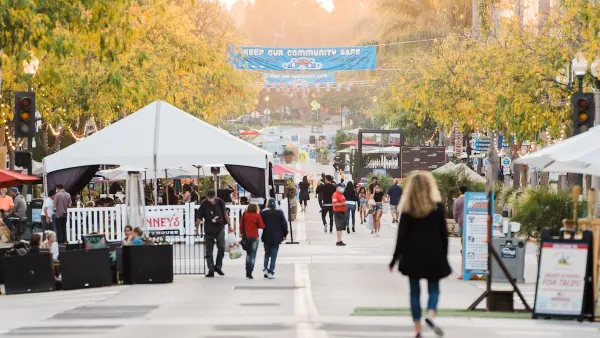
Ventura, CA Makes Car-Free Main Street Permanent
Main Street has been closed to cars since 2020, when the Covid-19 pandemic spurred a flurry of open streets projects.
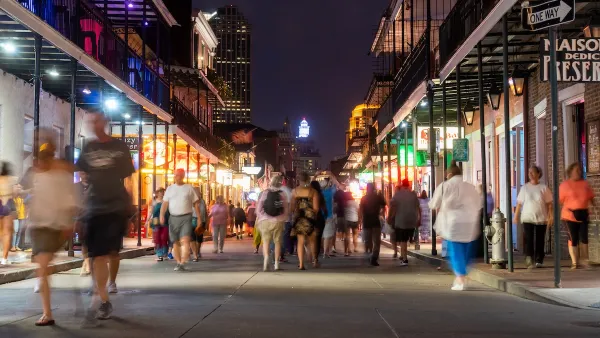
Bourbon Street Could Be a Model for Pedestrian Spaces
The conversation around pedestrianizing public streets isn’t new — think Times Square. Could one of America’s oldest streets lead the way in a revival of the pedestrian mall?

Planetizen Federal Action Tracker
A weekly monitor of how Trump’s orders and actions are impacting planners and planning in America.

The state-sanctioned urbicide of Austin
People don’t kill cities. Freeways do.

US to reduce Colorado River water deliveries to Mexico
A new Colorado Treaty amendment reduces Mexico’s Colorado River water allocation by 250,000 acre feet.

Nation's most wind-powered state turns to coal as data centers increase energy demand
For the first time in decades, Iowa has increased its generation of coal power.

NYC cools commuters with city's first rain garden above a bus stop
New York City officials say the plants in the rain garden can absorb 16 gallons of rainwater during heavy storms.

Brightline West’s future may rely on $6 billion federal loan
The company has until Nov. 2 to make a $400 million equity investment into its proposed high-speed rail line.

FREE Course: Walkable City 1: Why Walkability?
After describing his path towards focusing on walkability as the essence of good planning, Jeff Speck marches through his five principal reasons for making more walkable places.
Reinventing Malls: Planning Alchemy—Turning Gray Fields Into Gold
The course focuses on the opportunities and imperatives that shape reinvention of mall sites.

Greater Baltimore Committee
Eagle County Government
Harvard University Graduate School of Design
The Architects Foundation
University of Cincinnati Online
The Pocatello Development Authority
The Urban Renewal Agency of the City of Pocatello
Journal of the American Planning Association