A video from Not Just Bikes describes the impacts of increasingly large vehicles on road safety, public health, and the environment.


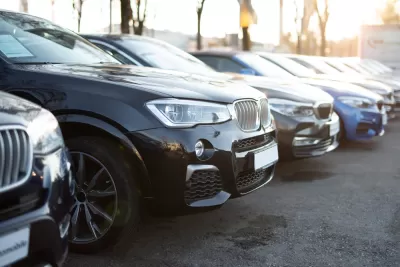
Writing in Jalopnik, Erin Marquis urges readers to watch a YouTube video produced by Not Just Bikes which “highlights the horror” of oversized SUVs.
It’s full of verifiable facts that will leave your jaw on the floor, such as: If all SUVs were a country, it would rank seventh in the world for carbon emissions (more than the Netherlands and the UK combine.) Or that the infamous Chicken Tax directly led to the rise of oversized vehicles. Or that the National Highway Traffic Safety Administration doesn’t crash test two different weight classes of cars against each other, despite these models sharing the same roads.
The video also offers solutions to the crisis, such as bringing back station wagons and minivans and taxing vehicles classified as ‘light trucks.’ Aside from the environmental impacts of bigger vehicles, Marquis writes, “the numbers don’t lie. As SUVs have risen, so too have pedestrian deaths, traffic fatalities, carbon emissions and the instances of children being run over, rather than backed over.”
See the source article for a link to the full video.
FULL STORY: Brilliant Video Explains the Dangers of Our Tank-Sized SUV Obsession

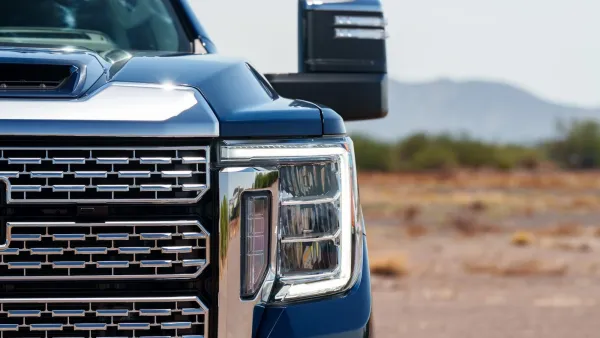
Analysis: Bigger cars are responsible for 10% of increase in pedestrian deaths
The New York Times offers a visual explanation of how larger vehicles make US roads more dangerous.
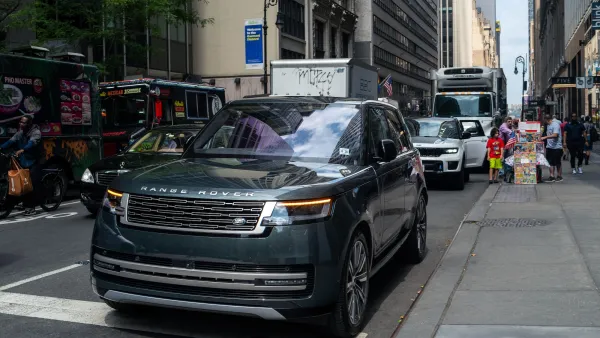
Study: Capping Vehicle Size Could Reduce Global Traffic Deaths by 40%
Limiting cars to 2020 sizes could save consumers up to 22% on gas, according to a new study.
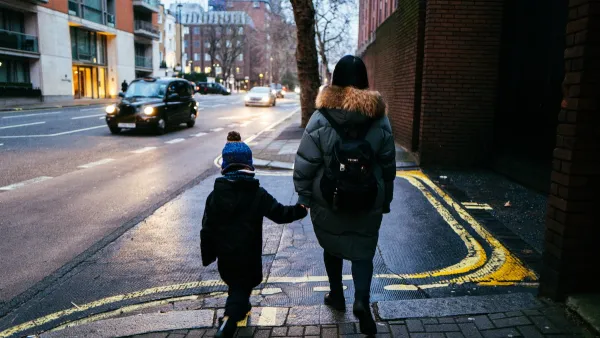
Study: Large SUVs Double Risk of Death for Children Under 10
New research from the United Kingdom reveals the higher risk of larger vehicles for pedestrians and cyclists.

The state-sanctioned urbicide of Austin
People don’t kill cities. Freeways do.

US to reduce Colorado River water deliveries to Mexico
A new Colorado Treaty amendment reduces Mexico’s Colorado River water allocation by 250,000 acre feet.

New Jersey’s second-largest city bans standalone data centers
Jersey City will continue to allow co-location facilities, such as those meant for research institutions that store their own data.

Amtrak not solely to blame for New Jersey commuter rail's unreliability, report finds
A new study from the Garden State Initiative found that NJ Transit’s budget grew 20% across a 4 year period, but reliability declined significantly over the same period.

EPA erases limits on planet-warming pollution from power plants
Under Monday’s plan, power plants would still have some limits on how much mercury, arsenic and other contaminants they can emit.

Phoenix announces new on-demand transit service, more frequent RAPID buses
Both new services will launch in October, and are part of Phoenix's Project Effective Access Solutions for Easing Congestion.

FREE Course: Walkable City 1: Why Walkability?
After describing his path towards focusing on walkability as the essence of good planning, Jeff Speck marches through his five principal reasons for making more walkable places.
Reinventing Malls: Planning Alchemy—Turning Gray Fields Into Gold
The course focuses on the opportunities and imperatives that shape reinvention of mall sites.

Eagle County Government
Harvard University Graduate School of Design
Nashville Planning Department
The Architects Foundation
University of Cincinnati Online
The Pocatello Development Authority
The Urban Renewal Agency of the City of Pocatello
Journal of the American Planning Association