The arduous process for getting a driver’s license in Holland is one reason why that country’s roads are consistently safer than their U.S. counterparts.


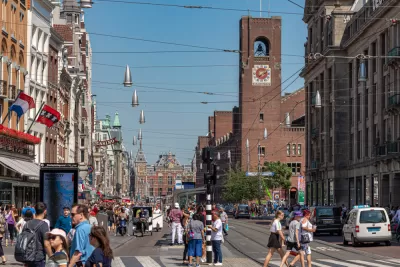
In addition to their robust pedestrian and bike infrastructure and safe road designs, there’s another reason that Holland’s roads are so safe, writes Kea Wilson in Streetsblog: the country’s arduous process for gaining a driver’s license.
“Of course, getting a driver's license isn't totally impossible in Holland — indeed, 80 percent of Dutch adults will eventually get one, compared to 89 percent of Americans — and on paper, passing muster at a Dutch DMV doesn't seem too daunting.” However, Wilson explains, almost half of test-takers fail the test in a given year, and it’s almost impossible to pass without rigorous studying.
Wilson describes the test-taking process, which quizzes applicants on a variety of situations. “Test-takers might be denied a license for not knowing whether their cars' heating or air conditioning uses more fuel, or what to do if their vehicle becomes submerged in a lake, or why the design of a sleepy rural road might induce "polderblindness," or zoning out behind the wheel.”
While driver’s testing requirements aren’t the only reason Holland’s roads are so much safer than America’s, it points to one way to emphasize the importance of road safety and ensure drivers understand the dangers they pose to others behind the wheel.
Read the full story: It’s Hard to Get a Driver’s License in Holland — And That’s One Reason Dutch Roads Are So Safe

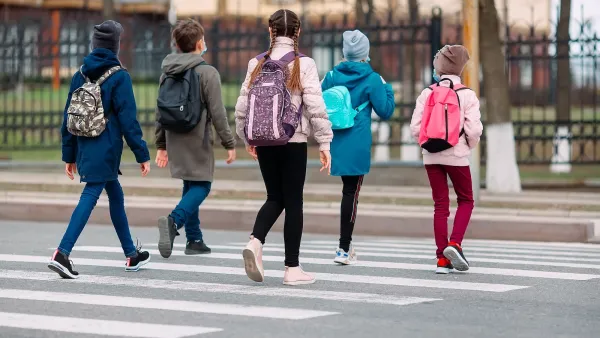
The number of kids walking to school dropped from over 50% to 11% since the 1960s
Unsafe pedestrian infrastructure makes walking to school dangerous or impossible for a growing number of American students.
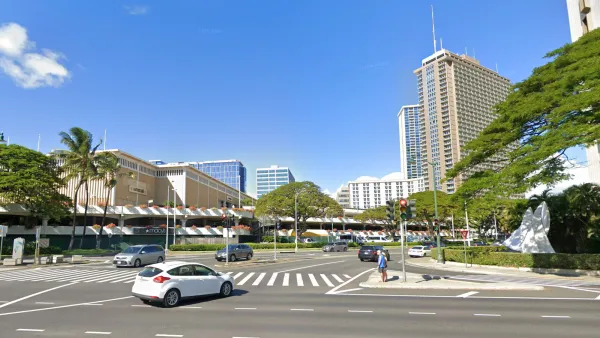
Hawaii DOT takes action after reporters call attention to dangerous crosswalk
The state made changes to a treacherous intersection after reporting revealed that traffic light timing was posting a threat to pedestrians.
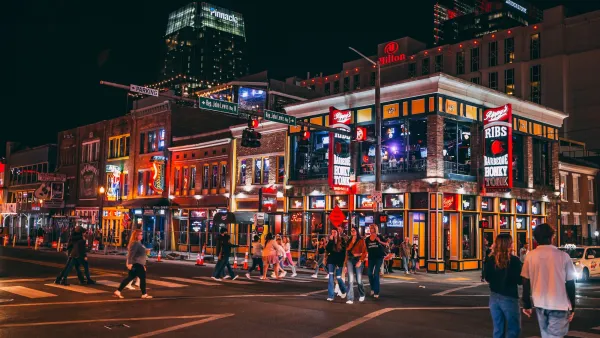
Tennessee DOT weighs making Nashville's Broadway car-free — sometimes
After a crash that killed one person and injured several others, state and city officials are in talks to consider options for closing the popular thoroughfare to cars during certain events.

Planetizen Federal Action Tracker
A weekly monitor of how Trump’s orders and actions are impacting planners and planning in America.

The state-sanctioned urbicide of Austin
People don’t kill cities. Freeways do.

Colorado’s Largest Data Center Could Rise Next to Homes — Without a Public Hearing
The proposed campus would consume 11 times the power of Denver International Airport; as it has across the country, opposition mounts.

Nation's most wind-powered state turns to coal as data centers increase energy demand
For the first time in decades, Iowa has increased its generation of coal power.

NYC cools commuters with city's first rain garden above a bus stop
New York City officials say the plants in the rain garden can absorb 16 gallons of rainwater during heavy storms.

Brightline West’s future may rely on $6 billion federal loan
The company has until Nov. 2 to make a $400 million equity investment into its proposed high-speed rail line.

FREE Course: Walkable City 1: Why Walkability?
After describing his path towards focusing on walkability as the essence of good planning, Jeff Speck marches through his five principal reasons for making more walkable places.
Reinventing Malls: Planning Alchemy—Turning Gray Fields Into Gold
The course focuses on the opportunities and imperatives that shape reinvention of mall sites.

Greater Baltimore Committee
Eagle County Government
Harvard University Graduate School of Design
The Architects Foundation
University of Cincinnati Online
The Pocatello Development Authority
The Urban Renewal Agency of the City of Pocatello
Journal of the American Planning Association