With the city getting ready to update its comprehensive plan, one writer examines some models for improving affordability, accessibility, and community in Seattle.


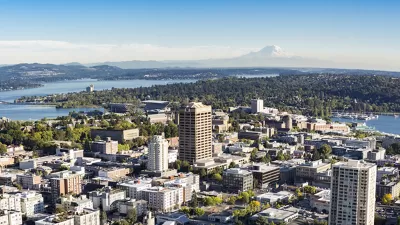
“The reality of cities is that they are alive,” writes Natalie Bicknell Argerious in The Urbanist. “Cities, and the neighborhoods within them, are not fixed to a single moment in time or population of people. They grow and change as the waves of people who inhabit them age, move, take root, and die.” On the heels of a New York Times article asking a similar question about that city, Bicknell Argerious asks of Seattleites, “What do we want this city to be? And who do we want it to belong to?”
Based on a presentation Bicknell Argerious saw put on by University of Washington architecture graduate students, the answer, for those students, was simple: “They wanted the next Seattle to be a city they — a generation currently priced out — could choose to lead a quality life.” Bicknell Argerious notes that the student suggestions fell into four main categories: “increasing affordable housing choices, creating intentional community, maximizing access to green space, and finding creative ways to fill in the gaps in neighborhoods.” The article details the proposals students had for building affordable, mixed-use development that accommodate a variety of household types, businesses, and income levels.
As the city gears up to update its Comprehensive Plan, the author writes, now is the time for Seattleites to make their voice heard on issues of housing, zoning, land use, and their general vision for the future of their city.
Read the full story: What Do We Want From Our Next Seattle?

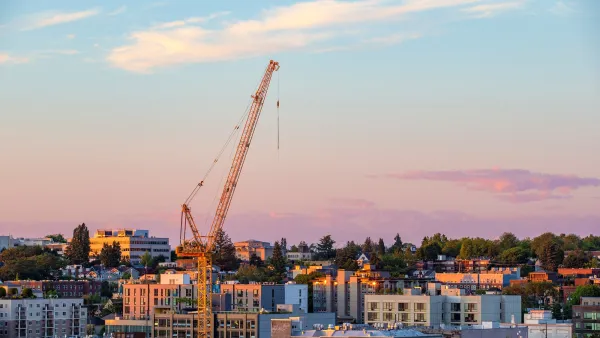
Seattle Adopts a New Growth Plan, but Major Zoning Battles are Just Beginning
Approving the comprehensive plan update is just the first step in rewriting the city’s zoning code to accommodate more density and affordable housing.
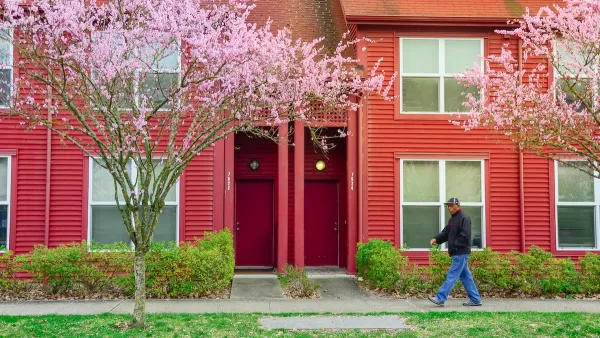
Seattle’s Zoning Reform Could Unlock a ‘Multiplex Boom’
A package of stackable density bonuses could make it easier for developers to build 12-plexes.

Opinion: Voters Deserve to See the Draft ‘One Seattle’ Plan
Despite a promise to release a draft comprehensive plan update in April and with elections in less than a week, Seattle residents are still waiting to see the city’s proposal for how to guide development in the next decades.

Planetizen Federal Action Tracker
A weekly monitor of how Trump’s orders and actions are impacting planners and planning in America.

The state-sanctioned urbicide of Austin
People don’t kill cities. Freeways do.

Colorado’s Largest Data Center Could Rise Next to Homes — Without a Public Hearing
The proposed campus would consume 11 times the power of Denver International Airport; as it has across the country, opposition mounts.

Judges permit Denver to divert 77,000 acre feet from the Colorado River for reservoir expansion
Overuse and climate change have caused the Colorado River’s water levels to plummet.

Amtrak, CN end decades-long dispute with eight-year agreement
The new operating agreement establishes an updated framework for the companies to work together, including processes to resolve disputes.

Raised interest rates may kill financially vulnerable construction projects
The chief economist at ConstructConnect warns that if construction project owners are negatively impacted by the raised rates, it could result in delayed payments to contractors.

FREE Course: Walkable City 1: Why Walkability?
After describing his path towards focusing on walkability as the essence of good planning, Jeff Speck marches through his five principal reasons for making more walkable places.
Reinventing Malls: Planning Alchemy—Turning Gray Fields Into Gold
The course focuses on the opportunities and imperatives that shape reinvention of mall sites.

KFH Group Inc.
Greater Baltimore Committee
Eagle County Government
The Architects Foundation
University of Cincinnati Online
The Pocatello Development Authority
The Urban Renewal Agency of the City of Pocatello