A major update of Seattle’s comprehensive plan is just getting under way, with new opportunities for local groups to get involved with outreach and engagement.



“Capitol Hill EcoDistrict, along with five other groups, will assist with outreach and connecting with residents as the city looks to review its comprehensive plan,” according to an article by Ari Cetron for the Capitol Hill Seattle Blog.
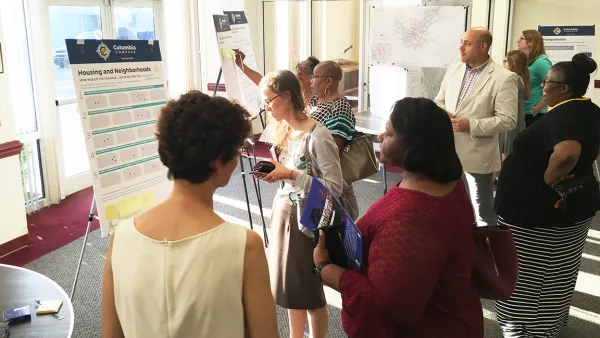
The city is launching the public engagement process for the One Seattle Plan, a major update to the city’s comprehensive plan, scheduled to take place over the next two years. The planning process is expected to address several critical issues: the cost of housing, questions of whether to intensify density around the city’s urban villages, the realities of climate change, and the need to respond to the discriminatory and inequitable practices of planning in the past.
“That is where the EcoDistrict comes in. Last month, the Office of Planning and Community Development announced it had partnered with six organizations across Seattle to help with early outreach for the One Seattle Plan. Each group will be paid $30,000 for their efforts,” according to Cetron.
Covid-19 is making it hard to definitively plan new methodologies, according to the article. Large, in-person meetings, for example, might or might not be a possibility in the fall.
“For now, the city has a 15-question survey posted on its website as it seeks to identify issues that are of concern to Seattle residents,” explains Centron.
The city is expected to begin working on the scope of the environmental impact statement this summer before releasing a draft plan and statement in the summer of 2023.
The city last updated its comprehensive plan in 2016, when it adopted the Seattle 2035 plan. Leading up to the process for the One Seattle Plan, Rick Mohler, co-chair of the Seattle Planning Commission, described the One Seattle plan the “major plan update in the city’s history.”
Ryan DiRaimo, boardmember of the Aurora Licton Urban Village neighborhood group, recently wrote an op-ed for The Urbanist calling on the city to do far more to add housing to the city than in previous updates of the comprehensive plan.


Seattle Ponders a New Approach to Zoning for its Comprehensive Plan Update
The city of Seattle will have an updated comprehensive plan by the end of 2024, with zoning changes to follow by 2025.

New Public Hearing Requirements Delay Completion of Reston’s New Comprehensive Plan
One of the country’s most prominent master-planned communities has spent several years working on an a comprehensive plan update. The plan will have to wait a little longer as the Fairfax County, Virginia community adjusts to new state laws.
Getting Started on Inclusive Planning
A toolbox for local governments to address inequality.

The state-sanctioned urbicide of Austin
People don’t kill cities. Freeways do.

US to reduce Colorado River water deliveries to Mexico
A new Colorado Treaty amendment reduces Mexico’s Colorado River water allocation by 250,000 acre feet.

New Jersey’s second-largest city bans standalone data centers
Jersey City will continue to allow co-location facilities, such as those meant for research institutions that store their own data.

Amtrak not solely to blame for New Jersey commuter rail's unreliability, report finds
A new study from the Garden State Initiative found that NJ Transit’s budget grew 20% across a 4 year period, but reliability declined significantly over the same period.

EPA erases limits on planet-warming pollution from power plants
Under Monday’s plan, power plants would still have some limits on how much mercury, arsenic and other contaminants they can emit.

Phoenix announces new on-demand transit service, more frequent RAPID buses
Both new services will launch in October, and are part of Phoenix's Project Effective Access Solutions for Easing Congestion.

FREE Course: Walkable City 1: Why Walkability?
After describing his path towards focusing on walkability as the essence of good planning, Jeff Speck marches through his five principal reasons for making more walkable places.
Reinventing Malls: Planning Alchemy—Turning Gray Fields Into Gold
The course focuses on the opportunities and imperatives that shape reinvention of mall sites.

Eagle County Government
Harvard University Graduate School of Design
Nashville Planning Department
The Architects Foundation
University of Cincinnati Online
The Pocatello Development Authority
The Urban Renewal Agency of the City of Pocatello
Journal of the American Planning Association