Consumer Reports might be a surprising media outlet for an expose on the dangers of large personal vehicles—the kinds of trucks and SUVs growing in popularity and filling up U.S. roads.


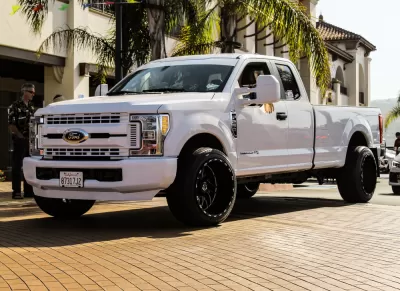
Keith Barry reports new findings on the "hidden dangers" of big trucks—citing new data that reveal large trucks and SUVs as hazards to the health and safety of pedestrians and rivers of smaller vehicles.
Consumer Reports measured the front visibility of 15 new vehicles, finding that some trucks have blind spots 11 feet longer than sedans and 7 feet longer than some SUVs. Such blind spots increase the risk of "frontover" collisions, the kind of collision that is much more likely to kill small children between 12 and 23 months old.
Implied throughout the article is the new crop of full-sized and heavy duty trucks so popular in the United States are totally acceptable according to U.S. safety standards. William Wallace, Consumer Reports's manager of safety policy, calls on automakers to do more to protect the safety of people outside the vehicle.
But it's also obvious from the article that Americans like the bigger trucks. "Full-sized pickups command the marketplace," writes Barry. "The three best-selling vehicles in the U.S. are trucks: the Ford F-Series, Chevrolet Silverado, and Ram. Pickups now count for 1 of every 5 new vehicles sold."
FULL STORY: Pickup trucks are getting larger and becoming a hazard to pedestrians and drivers of smaller vehicles

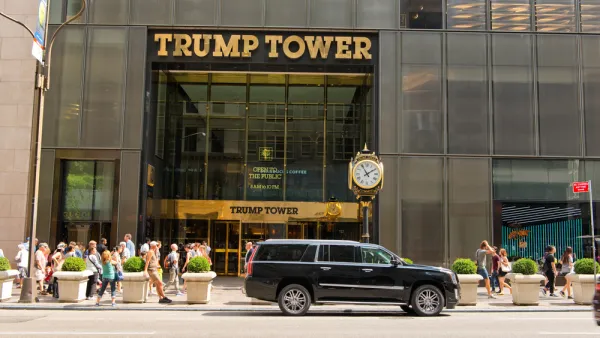
The Onion: SUV Drivers Buy Into 'Them Versus Us' Mentality at All Costs
The headline of the latest foray of The Onion into the tragic world of traffic safety: "Conscientious SUV Shopper Just Wants Something That Will Kill Family In Other Car In Case Of Accident".
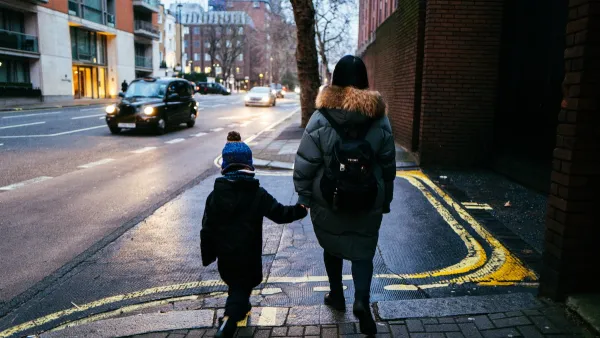
Study: Large SUVs Double Risk of Death for Children Under 10
New research from the United Kingdom reveals the higher risk of larger vehicles for pedestrians and cyclists.
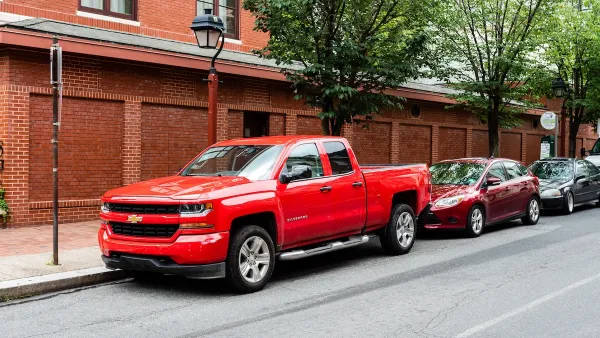
Heavier Vehicles Don’t Keep Passengers Safer
A new study shows that modern safety features are more important than size and weight once vehicles weigh over 4,000 pounds.

Planetizen Federal Action Tracker
A weekly monitor of how Trump’s orders and actions are impacting planners and planning in America.

The state-sanctioned urbicide of Austin
People don’t kill cities. Freeways do.

US to reduce Colorado River water deliveries to Mexico
A new Colorado Treaty amendment reduces Mexico’s Colorado River water allocation by 250,000 acre feet.

Mamdani overhauls NYC's Vision Zero plan with 100 new policy goals
The overhaul aims to reduce traffic deaths and make streets safer for pedestrians, cyclists and drivers through lower speed limits, new safety infrastructure and more.

Amtrak not solely to blame for New Jersey commuter rail's unreliability, report finds
A new study from the Garden State Initiative found that NJ Transit’s budget grew 20% across a 4 year period, but reliability declined significantly over the same period.

EPA erases limits on planet-warming pollution from power plants
Under Monday’s plan, power plants would still have some limits on how much mercury, arsenic and other contaminants they can emit.

FREE Course: Walkable City 1: Why Walkability?
After describing his path towards focusing on walkability as the essence of good planning, Jeff Speck marches through his five principal reasons for making more walkable places.
Reinventing Malls: Planning Alchemy—Turning Gray Fields Into Gold
The course focuses on the opportunities and imperatives that shape reinvention of mall sites.

Eagle County Government
Harvard University Graduate School of Design
Nashville Planning Department
The Architects Foundation
University of Cincinnati Online
The Pocatello Development Authority
The Urban Renewal Agency of the City of Pocatello
Journal of the American Planning Association