The COVID-19 pandemic stole some of the incredible benefits of living in New York City, but as of this morning, the overnight service that so many in the nation's largest city rely on is back.


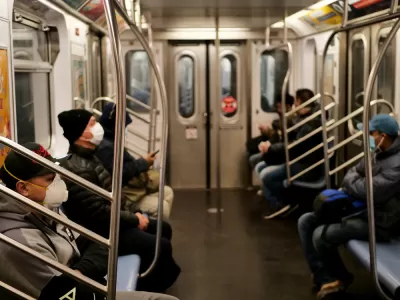
"The Metropolitan Transportation Authority on Monday resumed 24/7 subway service for the the [sic] first time since last May when the agency suspended overnight rides due to the coronavirus pandemic," report Shannon Caturano and Justine Re.
Overnight service was suspended just a little over a year ago, when ridership had reached 10,000 people per night, and overall ridership on the system had declined by 92 percent.
Subway ridership is still recovering, with over 2 million people riding the system now per wek, down from the pre-pandemic daily ridership of 5.4 million. The New York MTA is also rehiring as the ridership numbers climb back up. According to the article, "the MTA has also restarted hiring bus operators, train operators, conductors, and cleaners throughout the system. The agency had been under a hiring freeze that began at the height of the pandemic."
More details on the system's reopening emerged when the reopening was announced, back at the beginning of this month.
Read the full story: Back on Track: Full 24-hour subway service resumes in NYC
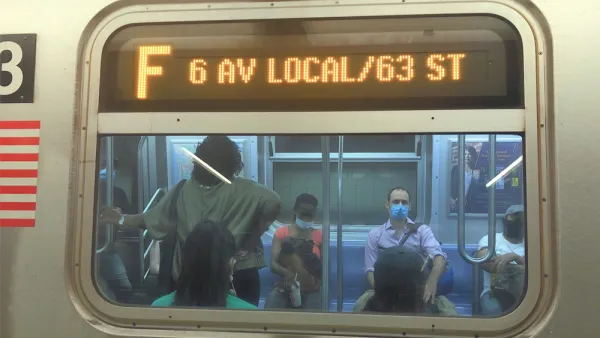
Overnight Subway Service Returning in New York City
A big piece of the process of reopening New York City for business is scheduled for May 17, but numerous challenges remain in getting the city that never sleeps back on track.
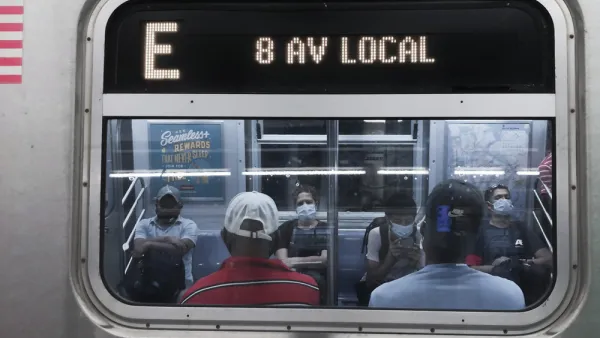
Tracking the New York Subway's Uneven Recovery
Ridership on the New York Subway has a long way to go to return to pre-pandemic normal, and the setbacks of recent months haven't helped the cause.
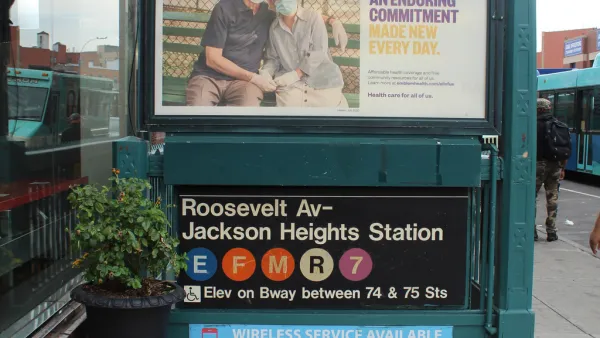
NYC Transit Ridership Patterns Have Shifted to the Outer Boroughs
Signs of the times, and more evidence of the essential service provided by public transit throughout the pandemic.

Planetizen Federal Action Tracker
A weekly monitor of how Trump’s orders and actions are impacting planners and planning in America.

California plans to bury El Niño’s downpour
If the state plays its cards right, it may be able to store a billion acre-feet of El Niño’s water in aquifers.

Desperate measures: Advocates weigh draining Lake Powell to fill Colorado River
Draining the reservoir could reduce evaporation losses by a couple hundred thousand acre-feet.

Chicago voters approve permanent festival grounds, penalty for vacant property owners
Currently, major summer and fall festivals take over public parks for weeks at a time, drawing criticism from nearby residents

NYC votes to cut outdoor dining red tape, speed up permitting
New York City also voted to allow the Department of Transportation to begin work on urgent projects before notifying elected officials.

California appears to reject Prop. 45
The proposition would have expanded the projects that qualify for a streamlined environmental review, effectively paring down the California Environmental Quality Act.

FREE Course: Walkable City 1: Why Walkability?
After describing his path towards focusing on walkability as the essence of good planning, Jeff Speck marches through his five principal reasons for making more walkable places.
Reinventing Malls: Planning Alchemy—Turning Gray Fields Into Gold
The course focuses on the opportunities and imperatives that shape reinvention of mall sites.

City of Rosemead
Rutgers University, Edward J. Bloustein School of Planning and Public Policy
One Hundred Miles
Hunter College, City University of New York (CUNY)
The Architects Foundation
University of Cincinnati Online
City of Cambridge
Montrose County
The Pocatello Development Authority