The 100 days in office provides President-elect Joe Biden with an early chance to follow the model of Franklin Delano Roosevelt.


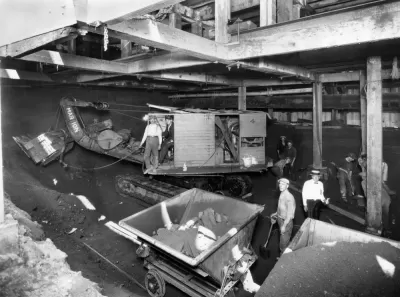
Mark McNulty writes a policy proposal for President-elect Joe Biden's first 100 days in office that takes its model from the administration of Franklin Delano Roosevelt, who also took office in a time of unprecedented crisis and established the significance of the first 100 days as an indicator of a presidency's direction.
"Among Roosevelt’s priorities during his first 100 days were getting Americans back to work, providing relief for the sick and elderly, and getting industry going again. Sound familiar?"
McNulty is sharing the work of the Regional Plan Association, which compiled a list projects and regulatory actions for the Biden administration to target in the first 100 days. The list focuses on the New York-New Jersey-Connecticut metropolitan region where the RPA operates, but also includes a few proposals of national and international scope.
The first item on the list: providing operations aid for U.S. public transit agencies, which received only a temporary reprieve from a stimulus package approved by Congress that as of this writing has encountered a surprise roadblock from the office of the outgoing President of the United States, Donald Trump.
The RPA also recommends funding the capital plans for the transit and housing agencies in the region, including the Metropolitan Transit Authority, the New York City Housing Authority, New Jersey Transit, and Amtrak.
"Now is not the time to retreat from long-established infrastructure priorities and policies," reads the article. "Now is the time to invest in places and people to quicken recovery and secure a prosperous and equitable future for the region and nation."
FULL STORY: Infrastructure priorities for Biden's first 100 days

COVID Stimulus Details for Planners
A few last minute changes were included in the version of the COVID-19 Emergency Relief Act of 2020, approved by Congress last night.
What's in the New Economic Stimulus Package for U.S. Transit Agencies
A new economic stimulus package that appears headed for approval as of this writing will give $15 billion to public transit, far less than transit advocates had hoped, but far better than nothing.
Federal Government Developing More Foreclosure Protections
Millions of American property owners are behind on mortgage payments and facing the prospect of foreclosure and eviction later this year.

The state-sanctioned urbicide of Austin
People don’t kill cities. Freeways do.

US to reduce Colorado River water deliveries to Mexico
A new Colorado Treaty amendment reduces Mexico’s Colorado River water allocation by 250,000 acre feet.

New Jersey’s second-largest city bans standalone data centers
Jersey City will continue to allow co-location facilities, such as those meant for research institutions that store their own data.

Amtrak not solely to blame for New Jersey commuter rail's unreliability, report finds
A new study from the Garden State Initiative found that NJ Transit’s budget grew 20% across a 4 year period, but reliability declined significantly over the same period.

EPA erases limits on planet-warming pollution from power plants
Under Monday’s plan, power plants would still have some limits on how much mercury, arsenic and other contaminants they can emit.

Phoenix announces new on-demand transit service, more frequent RAPID buses
Both new services will launch in October, and are part of Phoenix's Project Effective Access Solutions for Easing Congestion.

FREE Course: Walkable City 1: Why Walkability?
After describing his path towards focusing on walkability as the essence of good planning, Jeff Speck marches through his five principal reasons for making more walkable places.
Reinventing Malls: Planning Alchemy—Turning Gray Fields Into Gold
The course focuses on the opportunities and imperatives that shape reinvention of mall sites.

Eagle County Government
Harvard University Graduate School of Design
Nashville Planning Department
The Architects Foundation
University of Cincinnati Online
The Pocatello Development Authority
The Urban Renewal Agency of the City of Pocatello
Journal of the American Planning Association