The city of Walnut Creek has adopted a new five-year transportation plan designed to get drivers into more efficient modes of transportation.


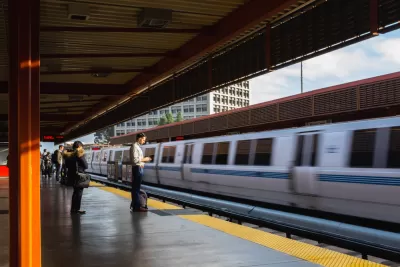
"The Walnut Creek City Council unanimously approved a five-year transportation strategy plan this week that city officials say will encourage more residents to utilize public transit options in lieu of personal vehicles," reports Eli Walsh.
To reduce automobile trips and congestion in Walnut Creek, the "Rethinking Mobility" plan will leverage the city's location on the BART regional transit system, according to Walsh, along with other non-automobile options like scooters, buses, and ride-hailing services.
The plan comprises 13 goals, including "working with businesses to offer special discounts for transit riders, adding dedicated bus lanes that will cut down peak travel times, adding more amenities for cyclists like bike lockers and public bike repair stations, modifying parking pricing based on location and demand and reducing the number of parking spaces required for new housing developments," reports Walsh.
The approval of the plan was delayed from spring of 2020 due to public health concerns during the pandemic, according to Walsh. But associate city planner Ozzie Arce is quoted in the article saying that the city's outdoor dining program, created to respond to the economic needs of the pandemic, have already accelerated some of the goals of the transportation plan.
Read the full story: Walnut Creek approves 5-year transit plan that aims to reduce vehicular traffic

Opinion: LA Should Reject ‘Misguided’ Car-Centric Policies
Even as the city highlights clean energy and transportation for the 2028 Olympics, Metro and Caltrans move forward with plans to expand highways.
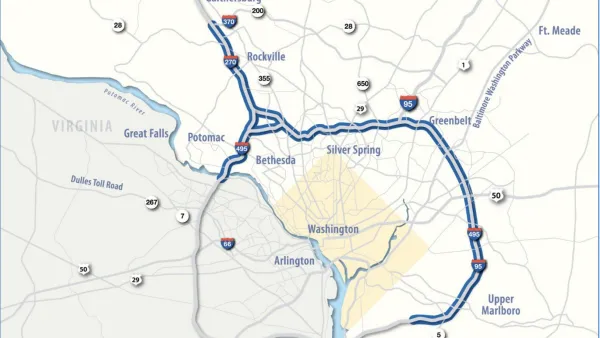
Maryland Highway Widening Plans Moving Forward Under New Governor
Maryland Governor Wes Moore is differentiating his new administration from his predecessor’s, but some projects, like the widening of federal highways in the Capital Beltway, stay the same.
Downtown Omaha Planning for its Post-One-Way-Streets Era
The Omaha City Council has decided to reverse the transportation model adopted in the city in the 1950s, for the benefit of traffic safety and local retail activity.

Planetizen Federal Action Tracker
A weekly monitor of how Trump’s orders and actions are impacting planners and planning in America.

The state-sanctioned urbicide of Austin
People don’t kill cities. Freeways do.

Colorado’s Largest Data Center Could Rise Next to Homes — Without a Public Hearing
The proposed campus would consume 11 times the power of Denver International Airport; as it has across the country, opposition mounts.

Nation's most wind-powered state turns to coal as data centers increase energy demand
For the first time in decades, Iowa has increased its generation of coal power.

NYC cools commuters with city's first rain garden above a bus stop
New York City officials say the plants in the rain garden can absorb 16 gallons of rainwater during heavy storms.

Brightline West’s future may rely on $6 billion federal loan
The company has until Nov. 2 to make a $400 million equity investment into its proposed high-speed rail line.

FREE Course: Walkable City 1: Why Walkability?
After describing his path towards focusing on walkability as the essence of good planning, Jeff Speck marches through his five principal reasons for making more walkable places.
Reinventing Malls: Planning Alchemy—Turning Gray Fields Into Gold
The course focuses on the opportunities and imperatives that shape reinvention of mall sites.

Greater Baltimore Committee
Eagle County Government
Harvard University Graduate School of Design
The Architects Foundation
University of Cincinnati Online
The Pocatello Development Authority
The Urban Renewal Agency of the City of Pocatello
Journal of the American Planning Association