A 49-mile length of railway in rural Virginia is at the start of the process of becoming a rail trail.


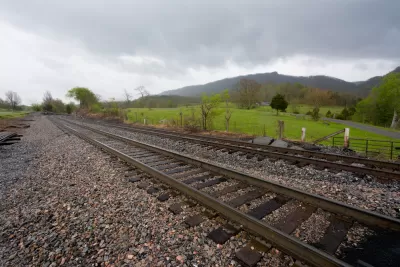
"Last month, Canonie Atlantic, the company which owns the tracks on the Eastern Shore [in Virginia], petitioned the federal Surface Transportation Board to decommission a 49.1 miles long rail line from the town of Hallwood to Cape Charles. If their motion is approved, that stretch of tracks would be eligible to be rail-banked — a legal process by which abandoned railways can be converted into shared-use walking, biking, and roller skating paths," reports Wyatt Gordon.
Advocates of the trail say that this project could be a huge economic boost for the region, an area which has experienced an ongoing decrease in population in past decades. Other similar projects, including 48 existing trails in Virginia, have been a draw for tourists, hikers, and cyclists, and communities along these routes have benefited from the influx of money to local economies.
"Beyond their recreational and economic value, rail trails can also serve as critical transportation connections, especially in rural areas which lack alternatives to private vehicle ownership," notes Gordon. While the Eastern Shore project has a long way to go, a Virginia Department of Transportation study has been in the works and federal approval to abandon the tracks is expected in November.
Read the full story: On the Eastern Shore, locals hope a 49-mile rail trail will reinvigorate the economy

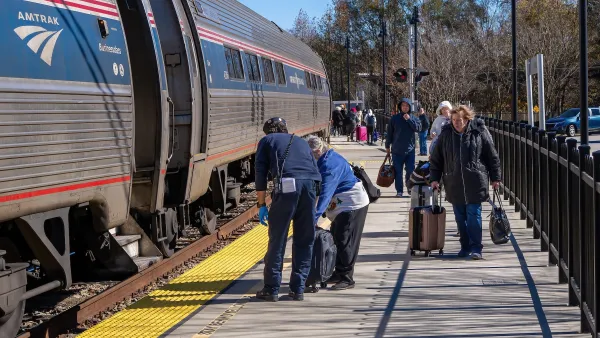
Rail advocates: BUILD America 250 Act could slash railway funding by 80%
Leaving rail funding up to annual appropriations threatens to drastically limit its reliability and effectiveness.
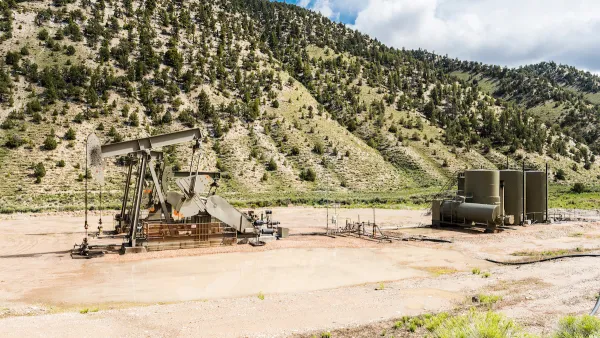
Utah Oil Shale Extraction Dealt Major Setback
The Surface Transportation Board's approval in 2021 of a proposed 85-mile Uinta Basin Railway in Utah that would have enabled increased extraction of the world's largest source of oil shale was partially vacated by a federal appeals court last month.
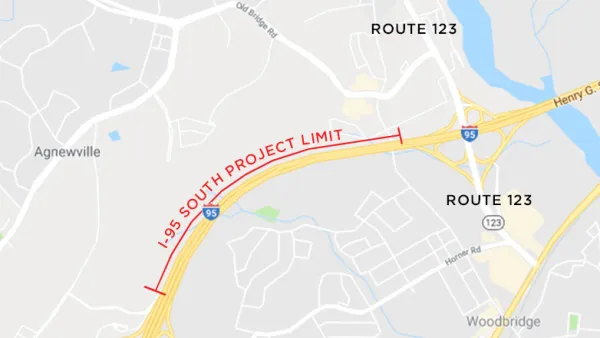
I-95 Widening Breaks Ground in Virginia
A mile-and-a-half-long section of Interstate 95, which handles 80,000 vehicle trips a day, will be expanded in Virginia. The project includes a new shoulder, lighting, and noise walls.

Planetizen Federal Action Tracker
A weekly monitor of how Trump’s orders and actions are impacting planners and planning in America.

The state-sanctioned urbicide of Austin
People don’t kill cities. Freeways do.

Colorado’s Largest Data Center Could Rise Next to Homes — Without a Public Hearing
The proposed campus would consume 11 times the power of Denver International Airport; as it has across the country, opposition mounts.

Nation's most wind-powered state turns to coal as data centers increase energy demand
For the first time in decades, Iowa has increased its generation of coal power.

NYC cools commuters with city's first rain garden above a bus stop
New York City officials say the plants in the rain garden can absorb 16 gallons of rainwater during heavy storms.

Brightline West’s future may rely on $6 billion federal loan
The company has until Nov. 2 to make a $400 million equity investment into its proposed high-speed rail line.

FREE Course: Walkable City 1: Why Walkability?
After describing his path towards focusing on walkability as the essence of good planning, Jeff Speck marches through his five principal reasons for making more walkable places.
Reinventing Malls: Planning Alchemy—Turning Gray Fields Into Gold
The course focuses on the opportunities and imperatives that shape reinvention of mall sites.

Greater Baltimore Committee
Eagle County Government
Harvard University Graduate School of Design
The Architects Foundation
University of Cincinnati Online
The Pocatello Development Authority
The Urban Renewal Agency of the City of Pocatello
Journal of the American Planning Association