Neighborhoods that have been stubbornly resistant to investment for decades are suddenly the scene of waves of permitting activity as the city of Philadelphia prepares to tighten its tax abatement program.



Inga Saffron reports on a sudden glut of development proposals in Philadelphia. "Across the city, developers are scrambling to put together housing proposals before Philadelphia’s lucrative 10-year property tax abatement expires Dec. 31 and is replaced by a less generous incentive. The revised version cuts the value of the tax holiday in half."
"So many housing proposals were submitted to the city this month that the design review board had to schedule a second meeting to accommodate everyone," according to Saffron. The potential effects of this sudden rush to develop would eventually manifest all over the city. "There are plans for glass skyscrapers in Center City, a full-block apartment building in Brewerytown, even a mid-rise in the Northeast neighborhood of Tacony," according to Saffron.
Then there is the hopscotch of vacant properties along Delaware Avenue in Northern Liberties, which, according to Saffron, has resisted the development of every previous building boom and planning effort in recent decades, only suddenly to be full of project proposals.
But now, in the middle of a historic pandemic, with massive numbers of people unemployed and the city’s economic fortunes uncertain, developers seem to have decided that this is a perfect time to build on the Delaware. This month alone, four companies will present their waterfront visions to Philadelphia’s Civic Design Review board. Should these projects get built, more than 1,500 new apartments would rise in the empty zone between Spring Garden Street and the Fillmore complex on Frankford Avenue. A real neighborhood could finally emerge on the Delaware.
According to additional details and data shared by Saffron on the articles, the number of household units proposed in the August rush will equal the number of units proposed in all of 2019. Whether all of these units get built is doubtful, but many of them certainly will be built. And, according to Saffron, all of this development interest, fleeting as it might be, is a sign that many developers with money to spend are bullish on the future of Philadelphia. That's a lesson for other cities wrestling with the media narrative about the demise of urban lifestyles as a consequence of the coronavirus pandemic.
A similar glut of development interest changed the New York City landscape when the 421-a abatement expired in January 2016
Read the full story: Philly developers propose thousands of new apartments in a rush to beat the tax abatement change


How Effective are Philadelphia’s Keystone Opportunity Zones?
The impacts of a tax break designed to create jobs, stimulate development, and reduce blight are proving hard to track.
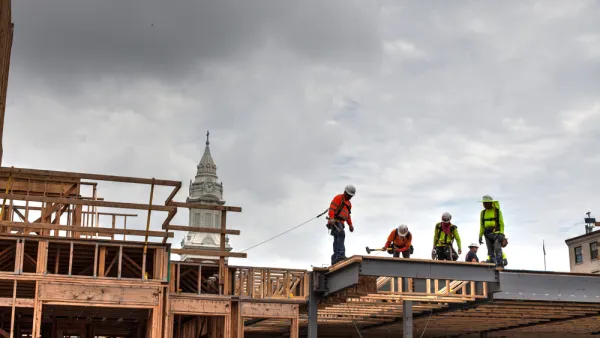
Affordable Housing Bonus Program Expanded in Philadelphia
The city of Philadelphia launched a height and density bonus in 2018 to create incentives for the development of affordable housing, but so far the results have proven underwhelming.
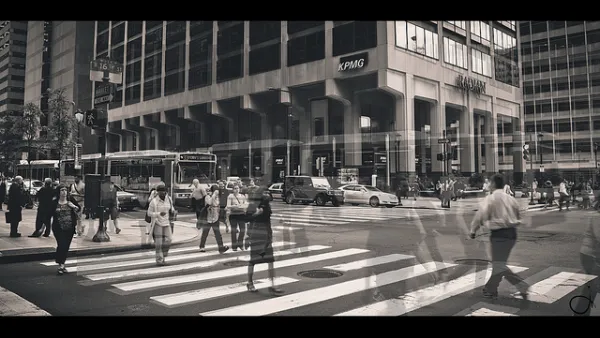
The Future of Downtowns Still Hangs in the Balance
Center City in Philadelphia offers a case study for one of the largest and potentially most consequential contingencies of the pandemic: What happens to downtowns is most workers never come back to the office?

Planetizen Federal Action Tracker
A weekly monitor of how Trump’s orders and actions are impacting planners and planning in America.

The state-sanctioned urbicide of Austin
People don’t kill cities. Freeways do.

US to reduce Colorado River water deliveries to Mexico
A new Colorado Treaty amendment reduces Mexico’s Colorado River water allocation by 250,000 acre feet.

Nation's most wind-powered state turns to coal as data centers increase energy demand
For the first time in decades, Iowa has increased its generation of coal power.

NYC cools commuters with city's first rain garden above a bus stop
New York City officials say the plants in the rain garden can absorb 16 gallons of rainwater during heavy storms.

Brightline West’s future may rely on $6 billion federal loan
The company has until Nov. 2 to make a $400 million equity investment into its proposed high-speed rail line.

FREE Course: Walkable City 1: Why Walkability?
After describing his path towards focusing on walkability as the essence of good planning, Jeff Speck marches through his five principal reasons for making more walkable places.
Reinventing Malls: Planning Alchemy—Turning Gray Fields Into Gold
The course focuses on the opportunities and imperatives that shape reinvention of mall sites.

Greater Baltimore Committee
Eagle County Government
Harvard University Graduate School of Design
The Architects Foundation
University of Cincinnati Online
The Pocatello Development Authority
The Urban Renewal Agency of the City of Pocatello
Journal of the American Planning Association