Cities can and should look to make changes to the zoning code to support local businesses through this particularly challenging time.


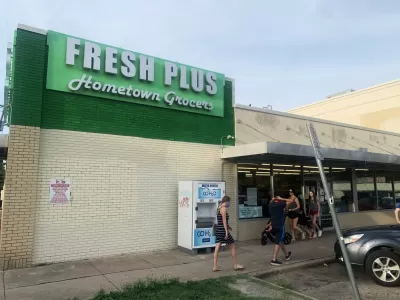
Code Studio has published the second in a series of articles on the ways that cities can use zoning code reform to help businesses begin to thrive post-COVID.
Part two of the series offer four more zoning recommendations, in addition to four recommendations in part one, based on trends and issues identified by the Code Studio team during the pandemic, with more details included in the source article.
- Bring back the neighborhood store.
- Allow for expanded home-based businesses.
- Expand the ability to grow food and raise small animals.
- Require more open space – public and private.
The Code Studio team promises a part three and encourages comments for more ideas on how communities can leverage zoning codes for economic benefits in these times of economic and public health uncertainty.
Read the full story: ZONING IN A POST-COVID WORLD: PART II


Zoning Code Reform for the Realities of COVID-19
Local governments have more tools than money to relieve some of the economic experience experienced by residents and businesses as the economic effects of the novel coronavirus linger just as long as the public health crisis it causes.

A Historic Texas Beach Town Faces Existential Growth Questions
Galveston, Texas is growing — and so are questions about its land use strategy.
Madison Advances Data Center Moratorium
The mayor and city leaders could pause new zoning certificates for data centers for a year while it codifies them into its zoning regulations.

Planetizen Federal Action Tracker
A weekly monitor of how Trump’s orders and actions are impacting planners and planning in America.

Amtrak, CN end decades-long dispute with eight-year agreement
The new operating agreement establishes an updated framework for the companies to work together, including processes to resolve disputes.

Judges permit Denver to divert 77,000 acre feet from the Colorado River for reservoir expansion
Overuse and climate change have caused the Colorado River’s water levels to plummet.

NYC DOT wants faster, more permanent street upgrades
The city is examining ways to build more concrete infrastructure without getting entangled in 'decades-long' projects.

'Something we’ve never seen before:' rising utility rates could strain city finances nationwide
Data centers, climate change and other factors have caused utility rates in the United States to increase by 38% since 2020.

Trump to overrule local leaders, lease millions of acres of America’s Pacific Island territories’ seafloors to mining companies
International law says that the Indigenous people of America’s territories have a right to prior and informed consent regarding projects that impact their countries.

FREE Course: Walkable City 1: Why Walkability?
After describing his path towards focusing on walkability as the essence of good planning, Jeff Speck marches through his five principal reasons for making more walkable places.
Reinventing Malls: Planning Alchemy—Turning Gray Fields Into Gold
The course focuses on the opportunities and imperatives that shape reinvention of mall sites.

Harvard University Graduate School of Design
KFH Group Inc.
Greater Baltimore Committee
The Architects Foundation
University of Cincinnati Online
The Pocatello Development Authority
The Urban Renewal Agency of the City of Pocatello