Proposed plans to reduce the speed limit and narrow the Boulevard Périphérique have sparked debate in Paris. If reelected, Mayor Anne Hidalgo wants to implement these changes in addition to other urban-mobility effective policies.


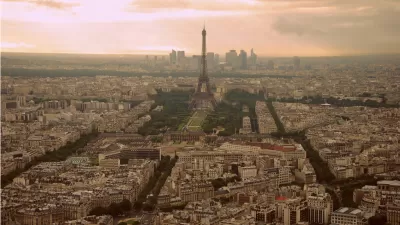
Mayor Anne Hidalgo, seeking reelection, proposed a plan to renovate the 22-mile-long Boulevard Périphérique, a ring road surrounding Paris' historic center. "The traffic-clogged urban highway plays a major role in Parisian mobility, but it’s also a prime contributor of pollution, both atmospheric and aural, as well as an all-but-impassable barrier severing the historic city from its inner suburbs," according to Feargus O'Sullivan.
According to Mayor Hidalgo's recently released "Manifesto for Paris," plans include speed limit reduction to 30 kph (18.6 mph) for all of Paris Proper, childcare benefits for families, reduction in parking spaces, and permanent adoption of the cycle lanes introduced to manage the coronavirus crisis. The Périphérique would see a speed limit reduction to 50 kph (31 mph), dedicate a lane of traffic to zero-emission vehicles in addition to removing vehicle lanes.
There is disagreement among Parisians about who the proposed plan aims to serve. Some critics say that lower-income suburban commuters will be left to find new, slower ways to travel, as they rely on the Périphérique as a major metropolitan artery. "As the city continues to cautiously reopen from coronavirus restrictions, Parisians can expect increased anxiety about using trains and subways, making driving more appealing to those who have cars," explains O'Sullivan. Others argue that the same lower-income communities adjacent to the beltway suffer the most from the pollution it produces.
Read the full story: Paris Speeds Up its Pursuit of a Slower Beltway

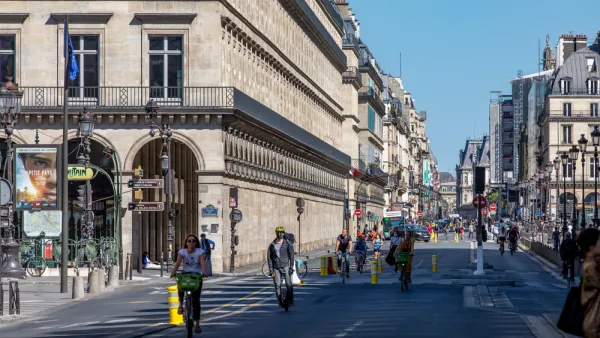
Paris Plans to Become a '100 Percent Cyclable' City
Mayor Anne Hidalgo continues her commitment to making Paris more bikeable with a new plan that will improve bike parking and facilities in the French capital.
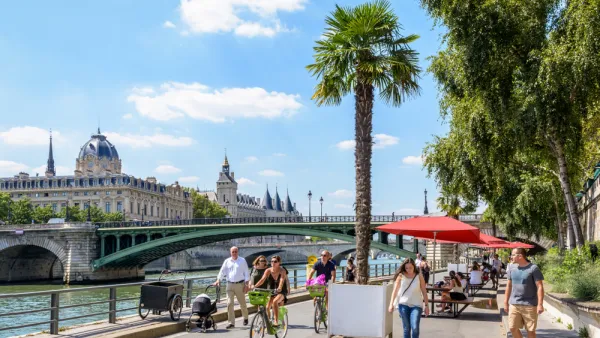
The Car-Free Revolution Continues in Paris
The city continues to reclaim space for pedestrians and cyclists.

Lockdown Benefits Urban Farmers In Paris
Pandemic induced lockdown kept Parisians within 1 km of their homes during lockdown, benefiting urban farmers and advocates for a diversified local food supply.

Planetizen Federal Action Tracker
A weekly monitor of how Trump’s orders and actions are impacting planners and planning in America.

The state-sanctioned urbicide of Austin
People don’t kill cities. Freeways do.

US to reduce Colorado River water deliveries to Mexico
A new Colorado Treaty amendment reduces Mexico’s Colorado River water allocation by 250,000 acre feet.

Nation's most wind-powered state turns to coal as data centers increase energy demand
For the first time in decades, Iowa has increased its generation of coal power.

NYC cools commuters with city's first rain garden above a bus stop
New York City officials say the plants in the rain garden can absorb 16 gallons of rainwater during heavy storms.

Brightline West’s future may rely on $6 billion federal loan
The company has until Nov. 2 to make a $400 million equity investment into its proposed high-speed rail line.

FREE Course: Walkable City 1: Why Walkability?
After describing his path towards focusing on walkability as the essence of good planning, Jeff Speck marches through his five principal reasons for making more walkable places.
Reinventing Malls: Planning Alchemy—Turning Gray Fields Into Gold
The course focuses on the opportunities and imperatives that shape reinvention of mall sites.

Greater Baltimore Committee
Eagle County Government
Harvard University Graduate School of Design
The Architects Foundation
University of Cincinnati Online
The Pocatello Development Authority
The Urban Renewal Agency of the City of Pocatello
Journal of the American Planning Association