Unemployment of historically devastating proportions will force people out of their homes and onto the streets, according to a new study by an economist at Columbia University in New York.


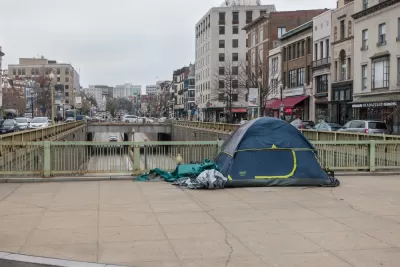
Homelessness in the United States could grow as much as 45% over totals from January 2019, according to analysis by Brendan O'Flaherty, a professor of economics at Columbia University. That increase would mean 250,000 more homeless people living on the streets.
An article on the Community Solutions website provides details of the study's methodology and findings, along with a few soundbites from O'Flaherty. Benjamin Oreskes also picked up news of the study for the Los Angeles Times, supplementing the conclusions front he report with additional data on the state of the economy in the state of California. Perhaps interestingly, O'Flaherty's report predicts a relatively small increase in homeless populations in California, given the already large numbers of people living on the streets in the nation's largest state.
FULL STORY: ANALYSIS ON UNEMPLOYMENT PROJECTS 40-45% INCREASE IN HOMELESSNESS THIS YEAR

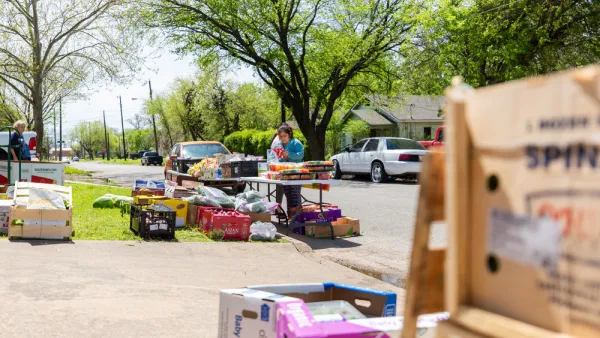
More Support Needed for Organizations Serving the Underserved
A new report details how policymakers and community leaders can improve California's efforts to advance an equitable recovery from COVID by supporting and empowering community-based organizations in underserved communities.

FEMA Offers Full Reimbursement for Pandemic Shelter Costs—But Cities Are Still Jittery
Cities and counties have been slow to take advantage of the promise of full and retroactive FEMA reimbursement to expand emergency housing programs, frustrating housing advocates. What’s getting in the way?
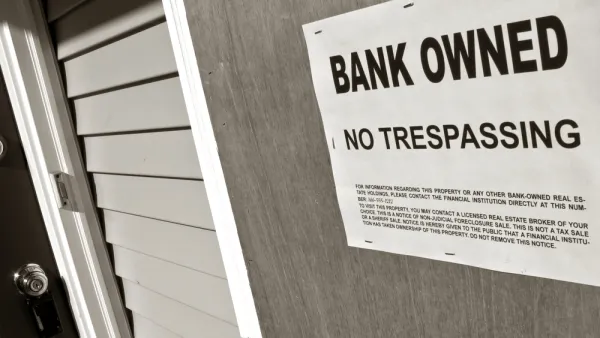
Federal Government Developing More Foreclosure Protections
Millions of American property owners are behind on mortgage payments and facing the prospect of foreclosure and eviction later this year.

Planetizen Federal Action Tracker
A weekly monitor of how Trump’s orders and actions are impacting planners and planning in America.

The state-sanctioned urbicide of Austin
People don’t kill cities. Freeways do.

US to reduce Colorado River water deliveries to Mexico
A new Colorado Treaty amendment reduces Mexico’s Colorado River water allocation by 250,000 acre feet.

Brightline West’s future may rely on $6 billion federal loan
The company has until Nov. 2 to make a $400 million equity investment into its proposed high-speed rail line.

LA Metro’s ultimatum: no extra buses for LA28 if federal funding isn’t imminently secured
If Metro does not provide additional buses, LA28 organizers will have to find a new way to manage Olympic traffic. LA28’s budget does not include a line item for transit.

Colorado’s Largest Data Center Could Rise Next to Homes — Without a Public Hearing
The proposed campus would consume 11 times the power of Denver International Airport; as it has across the country, opposition mounts.

FREE Course: Walkable City 1: Why Walkability?
After describing his path towards focusing on walkability as the essence of good planning, Jeff Speck marches through his five principal reasons for making more walkable places.
Reinventing Malls: Planning Alchemy—Turning Gray Fields Into Gold
The course focuses on the opportunities and imperatives that shape reinvention of mall sites.

Eagle County Government
Harvard University Graduate School of Design
Nashville Planning Department
The Architects Foundation
University of Cincinnati Online
The Pocatello Development Authority
The Urban Renewal Agency of the City of Pocatello
Journal of the American Planning Association