If approved by the Pittsbugh City Council, the proposed Greater Pittsburgh Covid-19 Racial Equity Task Force would work toward more equitable distribution of economic and public health resources, during the coronavirus pandemic and after.


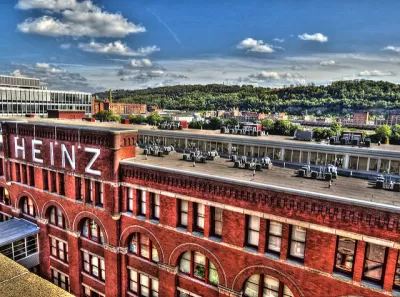
"Two Pittsburgh city councilmen on Tuesday proposed a task force that would ensure the city’s minority communities receive equal treatment in government initiatives aimed at helping people during the coronavirus pandemic," reports Bob Bauder.
The proposed Greater Pittsburgh Covid-19 Racial Equity Task Force would work to integrate health and social equity into the Covid-19 response and its aftermath, according to the resolution proposing the task force, and reach beyond the city to achieve those goals. "The task force would include black elected officials, university representatives, residents and other officials from the city and Allegheny County, according to the resolution. It will serve as a subcommittee of the Pittsburgh Commission on Racial Equity," according to Bauder.
The public health outcomes of COVID-19 in Pennsylvania have mirrored other parts of the country, with Blacks seeing far higher rates of infection and deaths than the general population.
FULL STORY: Racial equity task force proposed for coronavirus response in Pittsburgh

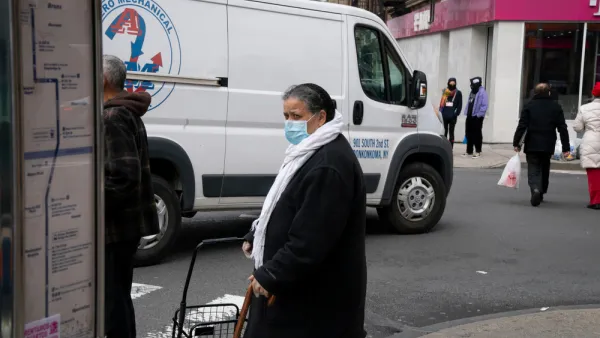
Survey Data on Coronavirus Effects Reveal Racial Lines
The economic and health effects of coronavirus have spread unevenly across racial lines in the United States, as further revealed by new research from the Pew Research Center.
'Never Let a Good Crisis Go to Waste' and Planning in the Pandemic
The latest in a series of compendia collecting news and commentary focusing on the complexities of the COVID-19 pandemic's effect on communities.
Haves and Have Nots: Planning and the Deep Divides of the Pandemic
The latest in a series of compendia gathering news and analysis about the effects of the COVID-19 on the built and natural environments—now and long into the future.

The state-sanctioned urbicide of Austin
People don’t kill cities. Freeways do.

US to reduce Colorado River water deliveries to Mexico
A new Colorado Treaty amendment reduces Mexico’s Colorado River water allocation by 250,000 acre feet.

New Jersey’s second-largest city bans standalone data centers
Jersey City will continue to allow co-location facilities, such as those meant for research institutions that store their own data.

Amtrak not solely to blame for New Jersey commuter rail's unreliability, report finds
A new study from the Garden State Initiative found that NJ Transit’s budget grew 20% across a 4 year period, but reliability declined significantly over the same period.

EPA erases limits on planet-warming pollution from power plants
Under Monday’s plan, power plants would still have some limits on how much mercury, arsenic and other contaminants they can emit.

Phoenix announces new on-demand transit service, more frequent RAPID buses
Both new services will launch in October, and are part of Phoenix's Project Effective Access Solutions for Easing Congestion.

FREE Course: Walkable City 1: Why Walkability?
After describing his path towards focusing on walkability as the essence of good planning, Jeff Speck marches through his five principal reasons for making more walkable places.
Reinventing Malls: Planning Alchemy—Turning Gray Fields Into Gold
The course focuses on the opportunities and imperatives that shape reinvention of mall sites.

Eagle County Government
Harvard University Graduate School of Design
Nashville Planning Department
The Architects Foundation
University of Cincinnati Online
The Pocatello Development Authority
The Urban Renewal Agency of the City of Pocatello
Journal of the American Planning Association