According to this article, it would be a shame if the coronavirus inspires new levels of skepticism about density and city living.


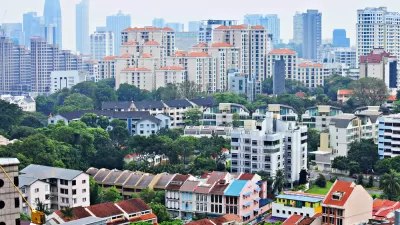
Emily Badger writes of a painful realization in major cities during the pandemic: “The very thing that makes cities remarkable — the proximity of so many people to one another — is now making them susceptible in a pandemic. Density, suddenly, is bad for our health. And we are trying everything we can think of to dismantle it.”
But Badger writes in response to that realization, in an attempt to, “reconcile the benefits of density for a healthy society with the threat of density in a pandemic…” There is plenty of evidence available to accomplish that goal.
In practical ways, density makes possible many of the things we need when something goes wrong. That is certainly true of hospital infrastructure — emergency response times are faster, and hospitals are better staffed in denser places. When one store is closed or out of toilet paper, there are more places to look. When people can’t leave home for essentials, there are alternative ways to get them, like grocery delivery services or bike couriers. When people can’t visit public spaces, there are still ways to create public life, from balconies, porches and windows.
More examples of the benefits of density—and the shortcomings of sprawl—follow, to make that point that density has been good for us, and will be again soon.
Planetizen collected previous articles on either side of this theme in a previous article, "Debating the Future of Cities, and Urban Density, After the Pandemic."
FULL STORY: Density Is Normally Good for Us. That Will Be True After Coronavirus, Too.

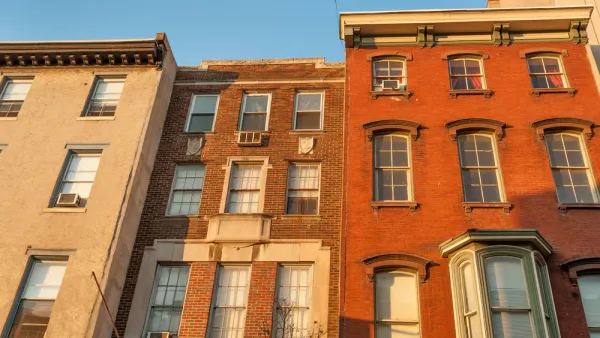
Opinion: Less Restrictive Zoning Necessary for Urban Areas to Lead Recovery
An opinion piece makes the case for pro-development urban planning as a tool of economic recovery.
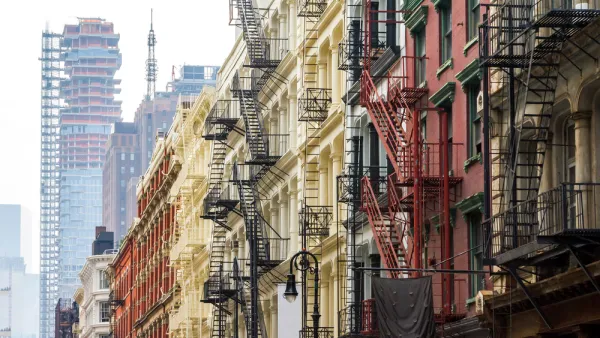
Density Debate Rages Alongside the Pandemic
Questions about how highly contested questions about the future of the built environment will reference COVID-19 for years to come. The question about whether that debate will achieve any actual change is still very much up for debate.

Large Cities Were Already Losing Population. Then Came the Coronavirus.
"Cities of all sizes may soon look less alluring, if drastic drops in income, sales and tourism tax revenue leave gaping holes in budgets," according to this article, which encapsulates a popular school of thought as the pandemic rages.

Planetizen Federal Action Tracker
A weekly monitor of how Trump’s orders and actions are impacting planners and planning in America.

The state-sanctioned urbicide of Austin
People don’t kill cities. Freeways do.

US to reduce Colorado River water deliveries to Mexico
A new Colorado Treaty amendment reduces Mexico’s Colorado River water allocation by 250,000 acre feet.

Airbnb launches $250 million 'last-dollar financing' housing accelerator, makes first investment in Austin
The company will put $6.4 million towards affordable housing development in Texas’ capital.

Guerilla urbanists are building DIY bus stop benches in Chicago
A before-and-after of one of the bus stops with a new bench. The new benches are not officially sanctioned or permitted, but the residents who placed them hope they will be the start of a network of DIY benches across the city.

Mamdani overhauls NYC's Vision Zero plan with 100 new policy goals
The overhaul aims to reduce traffic deaths and make streets safer for pedestrians, cyclists and drivers through lower speed limits, new safety infrastructure and more.

FREE Course: Walkable City 1: Why Walkability?
After describing his path towards focusing on walkability as the essence of good planning, Jeff Speck marches through his five principal reasons for making more walkable places.
Reinventing Malls: Planning Alchemy—Turning Gray Fields Into Gold
The course focuses on the opportunities and imperatives that shape reinvention of mall sites.

Eagle County Government
Harvard University Graduate School of Design
Nashville Planning Department
The Architects Foundation
University of Cincinnati Online
The Pocatello Development Authority
The Urban Renewal Agency of the City of Pocatello
Journal of the American Planning Association