The effect of development codes can be felt in the urban tree canopies. Louisville is updating its code to stem the loss of 56,000 trees a year in the city.


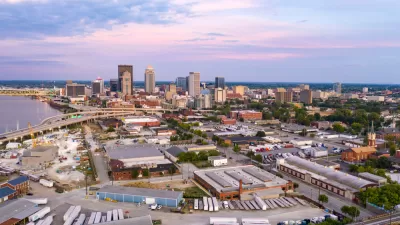
"A healthy tree canopy could help combat several problems facing the city including urban heat, flash flooding and air quality issues," writes Ryan Van Velzer." A 2015 study found the city is losing about 54,000 trees every year and one city expert has said the city is likely losing even more trees now."
The Louisville Metro Planning and Zoning Committee has taken action to address the loss of trees in Louisville, by approving changes to the city's land development code, reports Val Zezer.
As for the specific changes approved by the committee: "In most cases, new subdivisions and commercial developments that have lots with more than 50% tree canopy would need to preserve at least 20% of those trees. In certain cases, developers would be allowed to pay a fee in lieu of planting or preserving trees."
"Street trees would be required for all land uses along public rights of way," adds Val Zezer in addition to other changes reported in the source article. The changes still require the approval of the full Metro Council to become law.
Read the full story: Metro Committee Approves Tree Preservation Requirements


Growing ‘Climate Ready’ Urban Trees
A New Mexico research program will assess the health of seedlings to understand which trees will be most resilient to climate risks.
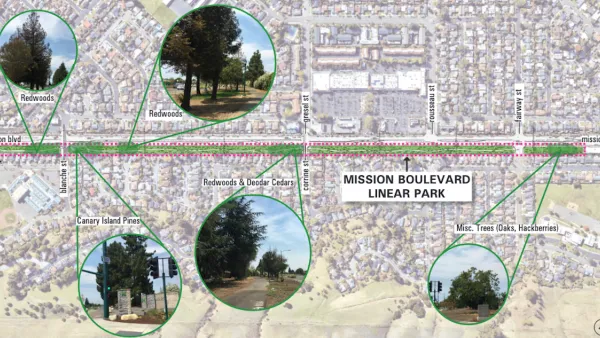
Parks Departments Try to Build New Green Spaces on Shrinking Budgets
Even as the role of parks and urban green space in public and ecological health becomes more apparent, city budgets are hard-pressed to meet the costs of park construction and maintenance.
New Green Development Rules Take Effect in Austin
The city updated its development code to include more robust protection for local wetlands and stricter sustainable stormwater infrastructure requirements.

Planetizen Federal Action Tracker
A weekly monitor of how Trump’s orders and actions are impacting planners and planning in America.

‘Going backwards:’ Baltimore mayor, students rally against state's transit funding plan
Maryland's proposed six-year plan provides no funding for Baltimore’s BMORE bus program and reduces its road maintenance funding.
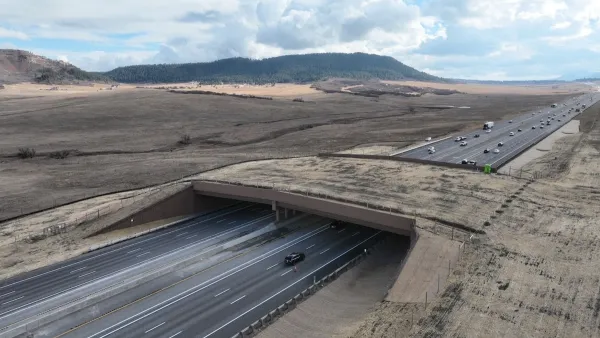
Record-breaking wildlife overpass in Colorado brings 91% reduction in animal collisions
Prior to the overpass, vehicles were hitting one deer per day on Colorado’s Interstate 25.

Mamdani sent nearly 6,000 pied-à-terre tax warnings to homes that didn’t qualify
A judge has ordered the administration to cancel thousands of pied-à-terre tax notices after it sent 35% of them erroneously.

Detroit to transform waterfront with $2.2 billion investment
Developers will convert about 18 acres of unused parking lot space into civic spaces.

‘Going backwards:’ Baltimore mayor, students rally against state's transit funding plan
Maryland's proposed six-year plan provides no funding for Baltimore’s BMORE bus program and reduces its road maintenance funding.

FREE Course: Walkable City 1: Why Walkability?
After describing his path towards focusing on walkability as the essence of good planning, Jeff Speck marches through his five principal reasons for making more walkable places.
Reinventing Malls: Planning Alchemy—Turning Gray Fields Into Gold
The course focuses on the opportunities and imperatives that shape reinvention of mall sites.

City of Thousand Oaks
City of Wisconsin Rapids
Harvard University Graduate School of Design
The Architects Foundation
University of Cincinnati Online
Northern Illinois Transit Authority (NITA)
The Pocatello Development Authority
The Urban Renewal Agency of the City of Pocatello