The city updated its development code to include more robust protection for local wetlands and stricter sustainable stormwater infrastructure requirements.



New laws governing development in Austin, Texas took effect on Wednesday as part of updates to the city’s development code aimed at improving water quality and protecting the environment. Cindy Widner outlines the new rules in an article for Urbanize Austin.
The new rules require green stormwater infrastructure in new developments, strengthen protection of local wetlands, and amend the code to streamline and clarify environmental regulations. “The updates include initiatives related to water quality resource protection, such as increased use of the city's green stormwater infrastructure and expanded protections for wetlands on Lady Bird Lake.”
According to Widner “An amendment related to water quality controls will go into effect on November 1, 2023, barring other Watershed Protection recommendations made in the next year.” The city is working on additional code changes related to landscaping, missing middle housing, flood mitigation, and other environmental measures.
Read the full story: New development rules in effect

California Lawmakers Move to Protect Waterways
Anticipating that the Trump EPA will reinstate a 2017 policy that excluded seasonal wetlands and waterways from environmental protections.
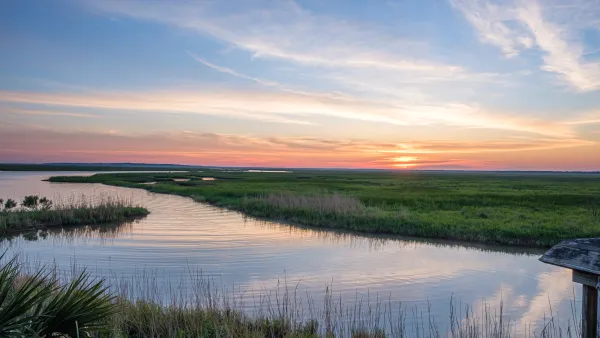
FEMA Flood Mitigation Assistance Grant to Fund Marsh Restoration
The grant to fund a marsh restoration project in coastal Louisiana is the first of its kind under FEMA’s Flood Mitigation Assistance program, which is typically used to elevate, acquire, or relocate homes or floodproof businesses.
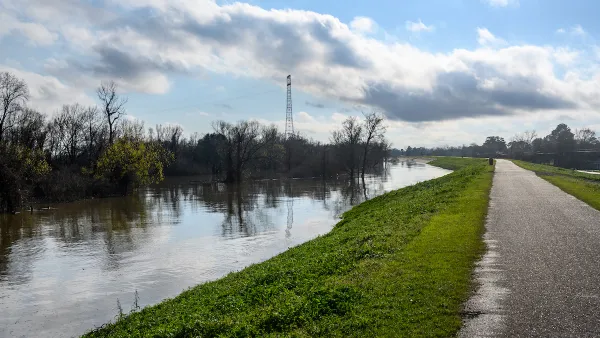
Louisiana Coastal Protection Agency Under Threat
The state’s new governor wants to shrink the power of the agency, which has spearheaded essential flood protection and mitigation efforts since the aftermath of Hurricane Katrina.

Planetizen Federal Action Tracker
A weekly monitor of how Trump’s orders and actions are impacting planners and planning in America.

Eastern Nebraska is running out of electricity
Data centers and electrification are straining eastern Nebraska’s grid, throttling economic development.

Washington state to charge fee to drivers with fuel-efficient cars
Revenue from the fee will go towards supporting the state’s highways.

Instead of building new housing, LA developers are turning mansions into mega-mansions
In the richest areas, the number of houses valued at $30 million with demolition permits has skyrocketed since 2018.

Illinois considers spending $1 billion in taxpayer money on data center
A quantum computing campus and data center are currently under construction in Chicago.

As development costs rise, Boston moves to lessen affordable housing requirements
The Boston Zoning Commission and the City Council still need to approve Boston Mayor Michelle Wu’s proposed changes

FREE Course: Walkable City 1: Why Walkability?
After describing his path towards focusing on walkability as the essence of good planning, Jeff Speck marches through his five principal reasons for making more walkable places.
Reinventing Malls: Planning Alchemy—Turning Gray Fields Into Gold
The course focuses on the opportunities and imperatives that shape reinvention of mall sites.

City of Charlotte
City of Rosemead
Rutgers University, Edward J. Bloustein School of Planning and Public Policy
University of Michigan School for Environment and Sustainability (SEAS)
Hunter College, City University of New York (CUNY)
The Architects Foundation
City of Cambridge
The Pocatello Development Authority
The Urban Renewal Agency of the City of Pocatello