The CEO of Cincinnati Metro gives the public credit for thinking up the ideas driving several new capital investment projects in the system.


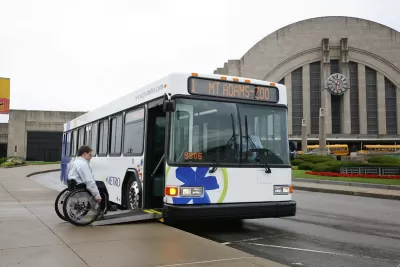
Darryl Haley, CEO and general manager of Cincinnati Metro, pens an opinion piece for the Cincinnati Enquirer to tout the transit agencies successes in generating service improvements from public feedback.
Too often, leaders can become disconnected from the people we serve. I want our customers and communities to know that we value their ideas. Not just for the sake of building trust in our institutions – which is critical – but because we do better when we know better.
According to Haley, Cincinnati metro has been listening, embarking on several projects as a result of the public's feedback, like adding benches at bus stops, updating the system's aging fleet, revamping the system's fare deal program, breaking ground on a new transit center, and launching the Transit app with EX fare.
"Each of these improvements came from customer feedback. We’ve learned that our service needs to be more than reliable, clean and safe; it needs to be competitive with driving a personal vehicle," writes Haley.
FULL STORY: Opinion: Metro is listening to customers

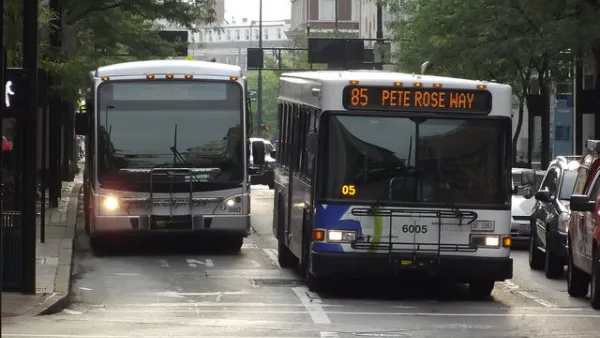
400 Stops Removed From the Cincinnati Metro Bus System
The process of reducing the number of stops on a transit line—known as bus stop thinning, consolidation, or balancing—took effect this week in Cincinnati. Reducing the number of stops is intended to speed up buses and improve reliability.

Cincinnati to Experiment With Downtown 'Bus-Only Lane'
Cincinnati will launch a new bus-only lane as a pilot project on Main Street in downtown. It's the first project of its kind in the city.
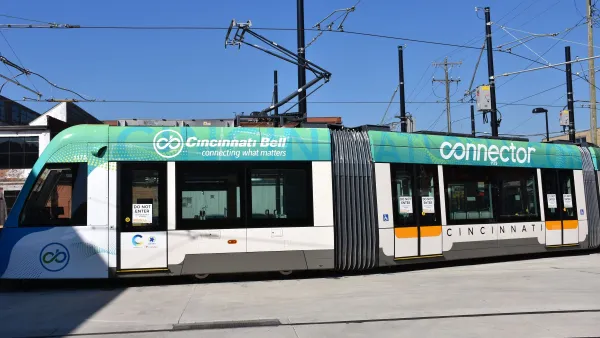
Streetcars Out of Service in Cincinnati
It's been a rough week for the Cincinnati Bell Connector.

Planetizen Federal Action Tracker
A weekly monitor of how Trump’s orders and actions are impacting planners and planning in America.

The state-sanctioned urbicide of Austin
People don’t kill cities. Freeways do.

US to reduce Colorado River water deliveries to Mexico
A new Colorado Treaty amendment reduces Mexico’s Colorado River water allocation by 250,000 acre feet.

5 New England states march closer to 800 megawatt wind energy project
Securing federal approval for the project may be complicated under the Trump administration, which has historically been hostile towards domestic wind power.

Baltimore to break ground on $50 million Transit Priority Project
The project will bring faster bus trips, safer streets and better bike connections to Baltimore.

Airbnb launches $250 million 'last-dollar financing' housing accelerator, makes first investment in Austin
The company will put $6.4 million towards affordable housing development in Texas’ capital.

FREE Course: Walkable City 1: Why Walkability?
After describing his path towards focusing on walkability as the essence of good planning, Jeff Speck marches through his five principal reasons for making more walkable places.
Reinventing Malls: Planning Alchemy—Turning Gray Fields Into Gold
The course focuses on the opportunities and imperatives that shape reinvention of mall sites.

Eagle County Government
Harvard University Graduate School of Design
Nashville Planning Department
The Architects Foundation
University of Cincinnati Online
The Pocatello Development Authority
The Urban Renewal Agency of the City of Pocatello
Journal of the American Planning Association